Begin with Buhoma.
Its northern route flow and established lodge range often make it a strong first comparison, especially after Queen Elizabeth or Ishasha.
 Gamba Uganda Safaris
Gamba Uganda Safaris
Operated by GUS Signature Expeditions Limited
Change language
Operated by GUS Signature Expeditions Limited
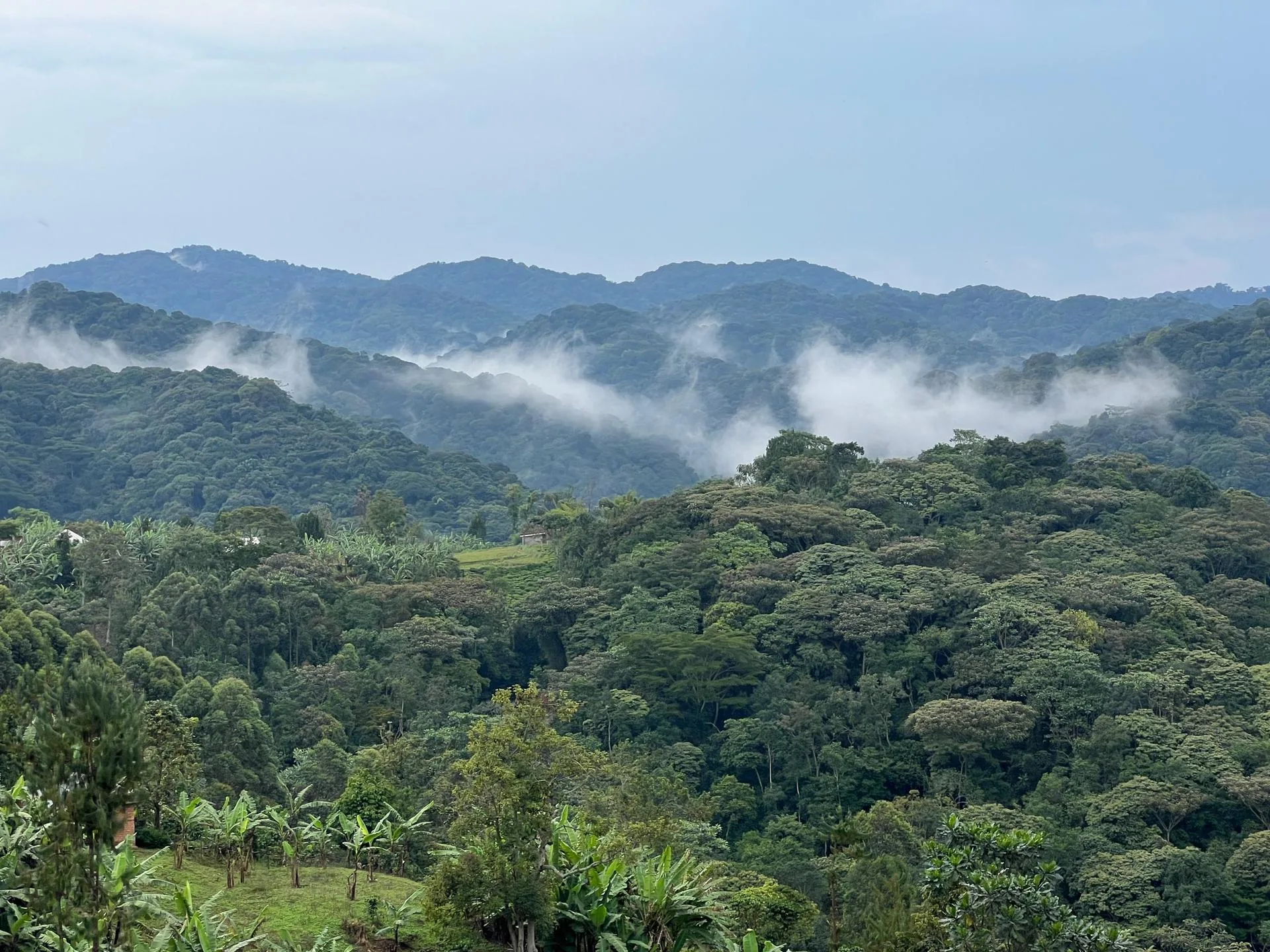
Bwindi Gorilla Planning Guide
Choose Buhoma for northern route flow, Ruhija for cooler highland forest, Rushaga for southern flexibility or Nkuringo for dramatic ridge scenery. The right sector is the one that matches your permit, lodge, comfort level and onward route.
The essential answer
Bwindi Impenetrable National Park is not one single trailhead. Gorilla trekking is organized through four main areas: Buhoma in the north, Ruhija in the east and Rushaga and Nkuringo in the south. A permit for one entry point should not be paired casually with a lodge serving another.
Uganda Wildlife Authority guidance books gorilla tracking by date and designated entry point. Park staff allocate the specific gorilla family during briefing on the tracking morning. That means the strongest planning decision is not chasing a family name; it is matching permit, lodge, transfer, terrain and the rest of your Uganda journey.
Use this page for comparison, then open the detailed sector guide before confirming. For permit prices and current payment rules, read the Uganda gorilla permit guide.
At-a-glance comparison
This is a planning comparison, not a ranking. Gorilla permits are tied to a date and designated entry point, while the specific family is allocated on the tracking day. Live availability can therefore change the best answer for your dates.
| Sector and location | Planning character | Best for | Accessibility | Accommodation |
|---|---|---|---|---|
| Buhoma North Bwindi | Established northern base with broad lodge choice; the tracking-day effort still varies. | First-time trekkers, classic Bwindi atmosphere, Queen Elizabeth or Ishasha routes. | Often the cleanest fit from Kihihi, Butogota, Ishasha and Queen Elizabeth. | Broad, established choice from practical to high-end forest lodges. |
| Ruhija East Bwindi | Cooler eastern highland base with strong birding context; the tracking-day effort still varies. | Birders, quieter highland stays, Kabale or eastern route connections. | Usually approached from Kabale and Ikumba or by a longer road link from another Bwindi area. | Smaller, quieter lodge base with a strong highland character. |
| Rushaga South Bwindi | Southern entry point with useful route flexibility; the gorillas and conditions determine the walk. | Kisoro, Lake Mutanda, Mgahinga and Lake Bunyonyi pairings. | Natural southern approach from Kisoro Airstrip, Kisoro, Lake Mutanda or Kabale. | Good range of southern lodges; choose by briefing access, not view alone. |
| Nkuringo Southwest Bwindi | Highland entry point with ridge-based lodge stays; the tracking-day effort still varies. | Active travelers, photographers, highland scenery, slower southern routes. | Usually approached through Kisoro or by a longer Kabale and Lake Bunyonyi route. | Intimate, scenic highland lodges; compare the real drive to briefing. |
No table can predict trek difficulty. Gorilla movement, rain, vegetation, altitude and the route allocated on the day can turn any sector into a longer or shorter walk.
Which Bwindi sector is right for you?
These are useful starting points, not fixed promises. We confirm the live permit entry point, suitable lodge and practical approach before recommending a sector.
Its northern route flow and established lodge range often make it a strong first comparison, especially after Queen Elizabeth or Ishasha.
Choose Ruhija when a quieter highland mood, Albertine Rift birding and time around the forest matter as much as the gorilla morning.
Rushaga is often a sensible starting point when the trip includes Lake Mutanda, Lake Bunyonyi, Kisoro or Mgahinga.
Nkuringo can be memorable for travelers who value ridge scenery and a stronger sense of highland journey, with honest support planning.
Tell us about mobility, recovery and room preferences. The best choice is often the permit sector with the closest suitable lodge and the calmest route.
Use the sector that works cleanly with chimpanzees, Queen Elizabeth, Murchison, a domestic flight or your final Entebbe night.
01 / Northern Bwindi
Buhoma carries Bwindi's deepest gorilla tourism history and one of its strongest ranges of established accommodation. It often creates the cleanest forest arrival from Queen Elizabeth National Park and Ishasha.
Buhoma is closely associated with Mubare, Uganda's first habituated gorilla tourism family. Forest walks, community experiences and easy narrative links from savannah to rainforest can make it feel like a complete destination rather than a one-morning stop.
If your permit, lodge interests or onward plan center on Kisoro, Mgahinga, Lake Mutanda or southern Bwindi, forcing Buhoma can add road strain. Lower elevation also does not guarantee an easy trek.
Read the full Buhoma Sector guide for forest trails, community context, lodge logic and northern route planning.
02 / Eastern Bwindi
Ruhija sits high on Bwindi's eastern side and feels quieter, cooler and more remote than the classic Buhoma arrival. It is especially strong for travelers who want Albertine Rift birding and mountain atmosphere around the gorilla trek.
Ruhija rewards layers, patience and time beyond the briefing morning. The Mubwindi Swamp area and eastern forest birding give specialists a reason to stay longer rather than treating the sector only as permit inventory.
Travelers wanting the broadest luxury lodge choice, warmer nights or the simplest northern or southern route should compare Ruhija carefully. Road time changes with rain and surface conditions.
Read the full Ruhija Sector guide for altitude, birding, Mubwindi Swamp, lodge placement and east-side access.
03 / Southern Bwindi
Rushaga is known for several habituated groups and useful southern permit options. It works naturally with Kisoro, Lake Mutanda, Lake Bunyonyi and Mgahinga when the correct lodge and visitor center are matched.
Rushaga can give planners useful date and route flexibility around Kisoro, Lake Mutanda, Mgahinga and the wider southern highlands. It should be chosen for a coherent permit, lodge and transfer plan—not treated merely as the place used when Buhoma is full.
If the safari comes directly from Ishasha or Queen Elizabeth and returns north, Buhoma may reduce road strain. Rushaga still requires the right lodge, access road and briefing plan even when permits are available.
Read the full Rushaga Sector guide for gorilla history, Kisoro access, Lake Mutanda links and southern permit planning.
04 / Southwestern Bwindi
Nkuringo is the sector for travelers drawn to ridge views, cooler highland lodge time, photography and a stronger sense of physical journey. Its beauty is real, but so is the need for honest fitness and road planning.
Nkuringo can feel emotionally expansive before the forest walk begins. It pairs well with Kisoro, Lake Mutanda, Mgahinga and slower southern routes, especially for active travelers who value place as much as convenience.
Knee concerns, limited walking confidence, tight timing or a desire for the least demanding plan are reasons to compare other sectors. Trek length is never guaranteed, but support and recovery planning matter strongly here.
Read the full Nkuringo Sector guide for terrain, route logic, family history, porter support and highland lodge planning.
Match the wider safari
Buhoma is usually the cleanest northern connection. Ruhija may still work when permit availability, lodge choice and the next destination justify the eastern road.
Southern permits pair naturally with Kisoro Airstrip, Lake Mutanda, golden monkeys and Mgahinga. The final choice depends on terrain and lodge fit.
Road conditions, departure time, permit entry and the lodge's real transfer time should decide whether east or south creates the calmer plan.
Travel times and access routes
Bwindi mountain roads are scenic but variable. Rain, road surface, lodge position, vehicle pace and photo or comfort stops can change the clock, so we plan with generous transfer windows rather than tight same-day connections.
Kihihi Airstrip is usually the practical fly-in gateway. By road, Buhoma often fits naturally after Ishasha or Queen Elizabeth; treat that approach as a meaningful transfer day and sleep near the briefing point.
Ruhija is commonly approached via Kabale and Ikumba or by a longer forest-highland link from other Bwindi areas. The roads are beautiful but winding, so the night-before position matters more than a theoretical drive time.
Rushaga works well from Kisoro Airstrip, Lake Mutanda, Lake Bunyonyi or a southern road circuit. A short-looking mountain transfer can lengthen after rain, so we keep the eve of trekking free of long drives.
Nkuringo is usually planned from Kisoro or via a longer Kabale/Lake Bunyonyi approach. The final roads are part of the highland experience, but should be paced for daylight, weather and the following morning's briefing.
Planning tip: scheduled flights can reduce the long cross-country road day, but they do not remove the final private transfer. We confirm the actual lodge-to-briefing route after the permit sector is known.
Decision order
Use live UWA availability and current payment rules. Do not assume a permit can be shifted casually between sectors.
Look at the previous park, airstrip, road direction and next destination before choosing the lodge.
Discuss knees, confidence, pace, weather tolerance, porter support and recovery rather than asking for a guaranteed easy trek.
Confirm the actual transfer to briefing, meal timing, road conditions and whether the lodge suits the wider safari.
Arrive early enough the previous day, sleep close, prepare gear and keep the post-trek schedule gentle.
The permit date, designated entry point, traveler names, lodge, transfers and payment amount should tell one consistent story.
Choose with current permit reality
Share your travel window, group size, comfort level and the parks you want to combine. We will compare permit availability, lodge position, access and the most practical gorilla trekking route for your party.
About trek difficulty
No responsible planner can promise the easiest gorilla family or a short trek. Gorilla groups move through the forest and trail conditions change with rain, vegetation, altitude and recent movement.
The useful controls are practical: good boots, rain protection, gloves, water, a porter, walking poles when appropriate, an honest briefing about mobility and a lodge close enough to protect the morning.
For seasonal trail context, use the best time for gorilla trekking guide.
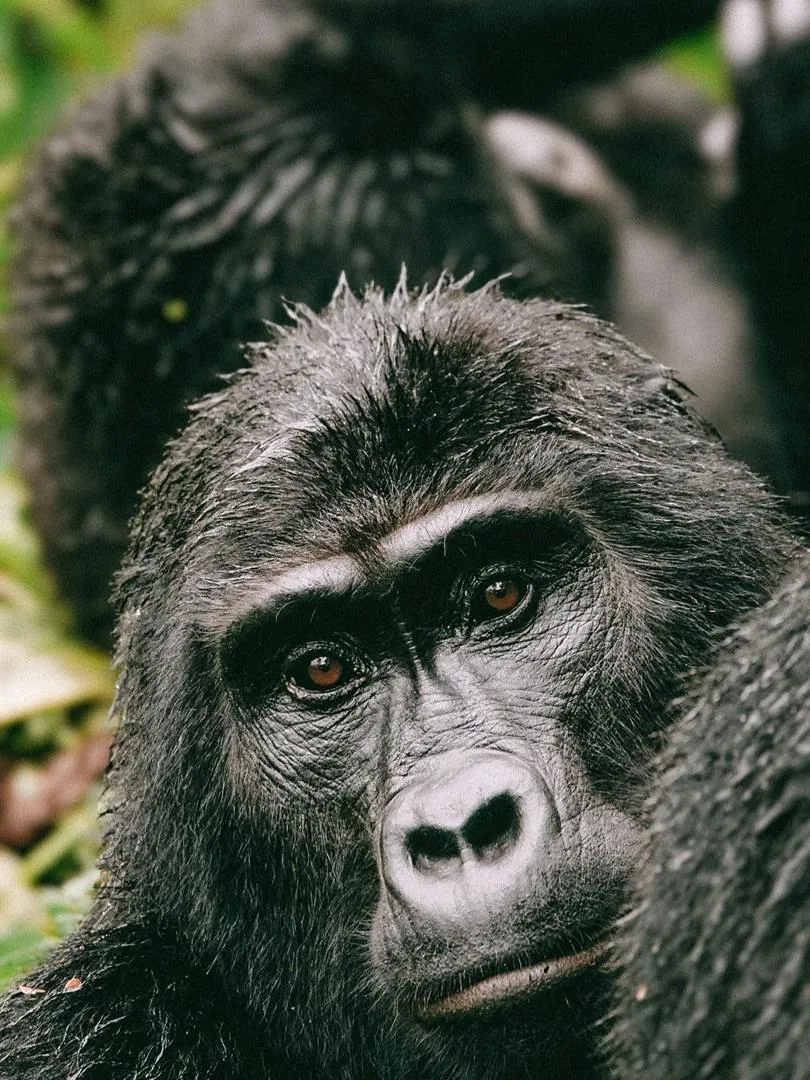
Sector questions
Bwindi is commonly planned through four main gorilla trekking sectors or entry areas: Buhoma, Ruhija, Rushaga and Nkuringo.
No sector guarantees an easy trek. Gorilla movement, recent rain, vegetation, terrain and the route allocated on the tracking day determine the actual effort. Treat sector character as planning context, not a reliable difficulty ranking.
Buhoma is often the cleanest northern connection from Ishasha and Queen Elizabeth. Ruhija can also work depending on permit availability, lodge choice, road conditions and the next destination.
Rushaga and Nkuringo are the main southern Bwindi sectors commonly planned from Kisoro. They also pair naturally with Lake Mutanda and Mgahinga.
No. UWA guidance says permits are booked by date and designated entry point. Park staff allocate the specific gorilla family during briefing on the tracking day.
It may be physically possible in limited cases, but it is often poor planning. Road conditions and mountain travel can make cross-sector transfers slow. The safest approach is a lodge that genuinely serves the permit entry point.
There is no universal best sector. Buhoma has broad established lodge choice, while Rushaga and Nkuringo offer strong southern highland options and Ruhija has a smaller, cooler lodge base. Choose the lodge that fits your permit, comfort level and route.
Plan the final approach conservatively. Buhoma often connects naturally with Kihihi, Ishasha and Queen Elizabeth; Ruhija with Kabale and the eastern highlands; and Rushaga or Nkuringo with Kisoro and southern Bwindi. Build in a night near the correct briefing point.
Official references: current entry-point and permit-allocation guidance was checked against the Uganda Wildlife Authority gorilla and chimpanzee tracking guidelines and the official Bwindi park page. Road times, family composition, permit inventory and lodge operations can change; reconfirm before payment.
Continue planning
Check current prices, low-season rules, payment timing, inclusions, rescheduling and safe confirmation.
Explore the forest story, preparation, lodges, conservation context and wider safari connections.
Understand the trek morning, porter support, clothing, fitness and what the gorilla hour feels like.
Compare weather, trails, permit demand, photography and month-by-month trekking conditions.
Compare short gorilla journeys with longer wildlife, chimpanzee, family and honeymoon routes.
See how a practical western Uganda route can combine gorillas, chimpanzees, wildlife, permits and lodge pacing.
Permit, lodge and route together
We will compare the four sectors against current permits, access, terrain, lodge position and the rest of your Uganda safari before asking you to confirm.