Murchison Falls Safari Guide

Plan a Murchison Falls safari.

Nile boat cruises, game drives, lodge timing and private routes shaped around your dates.

Explore the Park
Safari rhythm Use Murchison for the Nile, the falls and classic wildlife in one calm chapter.
Stay 2-3 nights

Enough time for game drives, boat timing and the top of the falls without rushing.

Signature Nile boat

Treat the river cruise as a main event, not an optional add-on after a long road day.

Pairing Ziwa rhinos

A natural northern route addition when you want a Big Five-style Uganda safari.

Best window Early drives

Cooler air and softer light make the savannah feel more alive and less hurried.

Why it belongs in a route

Plan a Murchison Falls safari around the Nile, wildlife drives and realistic route timing.

Murchison Falls National Park is Uganda's largest national park and one of the clearest places to feel the country open out into big safari space. The Victoria Nile cuts through the park, narrows into the roaring Murchison Falls, then spreads toward delta channels where wildlife, water and light meet in a way that feels properly cinematic.

A strong Murchison safari combines early game drives, a Nile boat cruise, the top of the falls and enough unhurried time for the park's scale to register. It pairs naturally with a four-day Murchison and Ziwa route, a shorter three-day Murchison Falls safari or a wider private Uganda safari built from our tour packages.

The park in motion

Why the Nile boat cruise changes the value of a Murchison Falls safari.

The road into Murchison can feel quiet at first. Then the park begins to widen: borassus palms, open grassland, giraffes above the bush line, elephants near the water and the river pulling everything toward it. The waterfall is the dramatic name, but the journey is bigger than the falls alone.

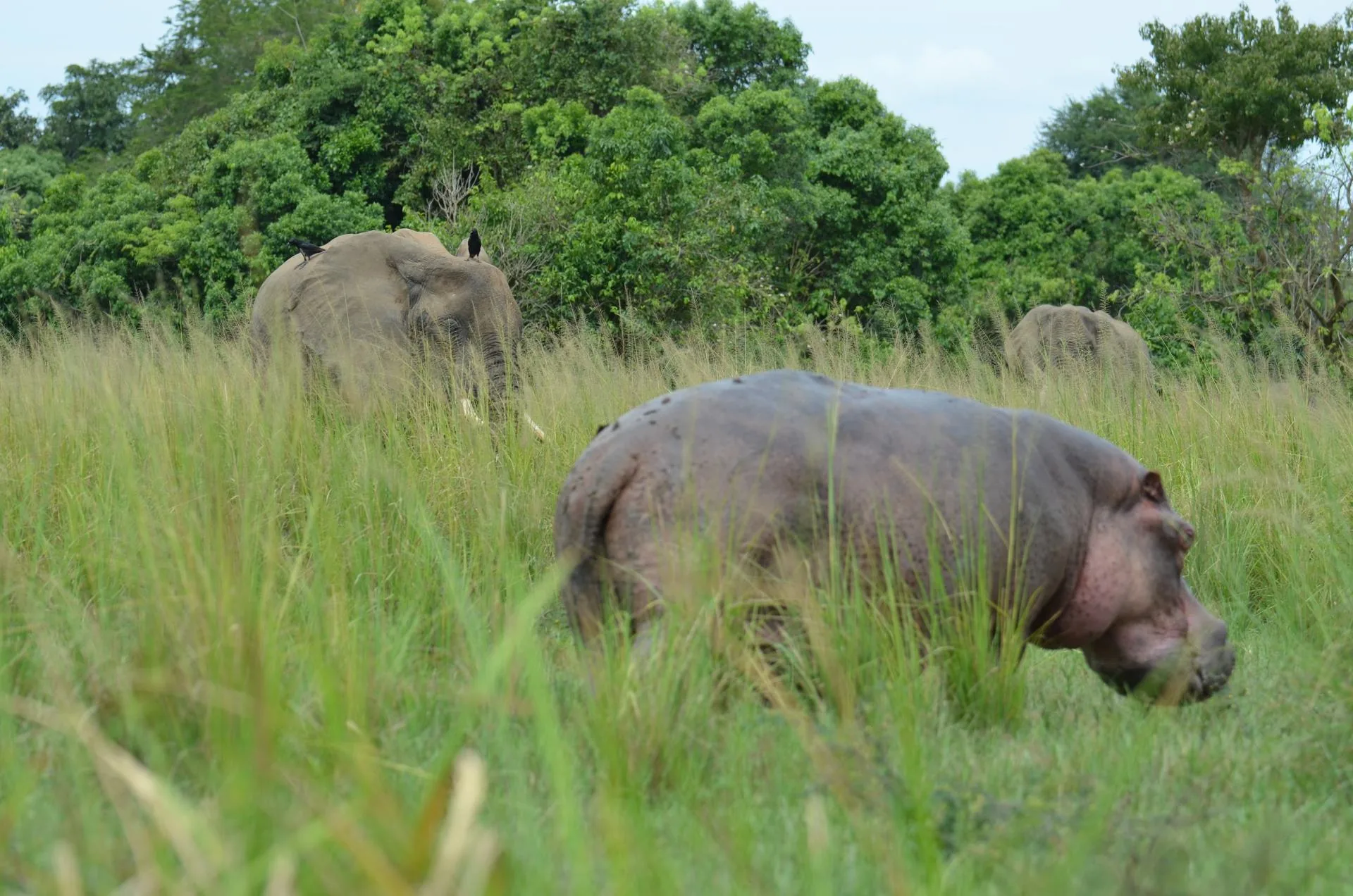
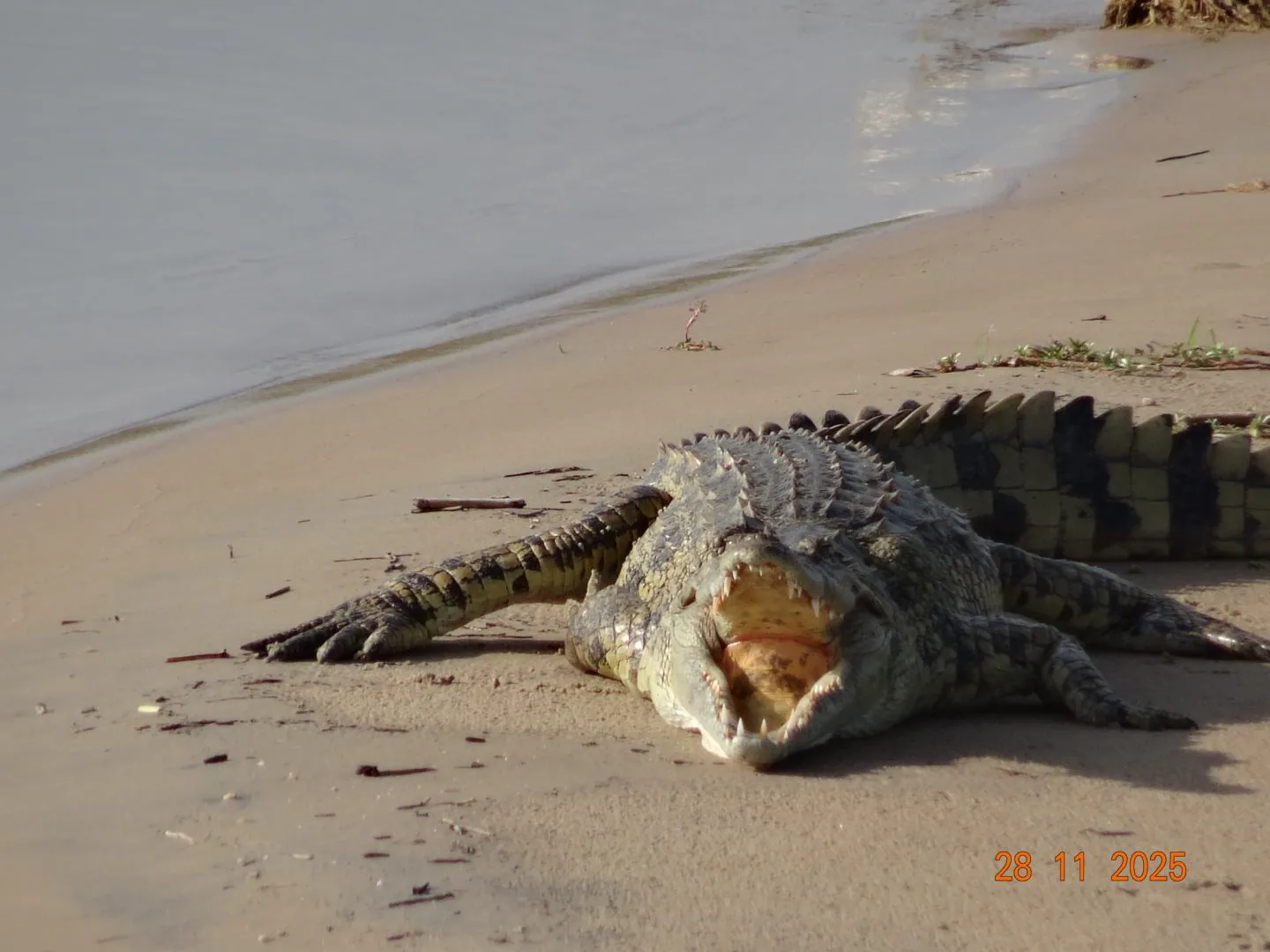
On a well-planned day, the rhythm changes by the hour. Morning belongs to game drives and soft light. Midday slows into shade and lodge time. Afternoon can move onto the Nile, where hippos, crocodiles, elephants, bee-eaters and the distant roar of the falls turn the boat cruise into one of Uganda's strongest safari moments.

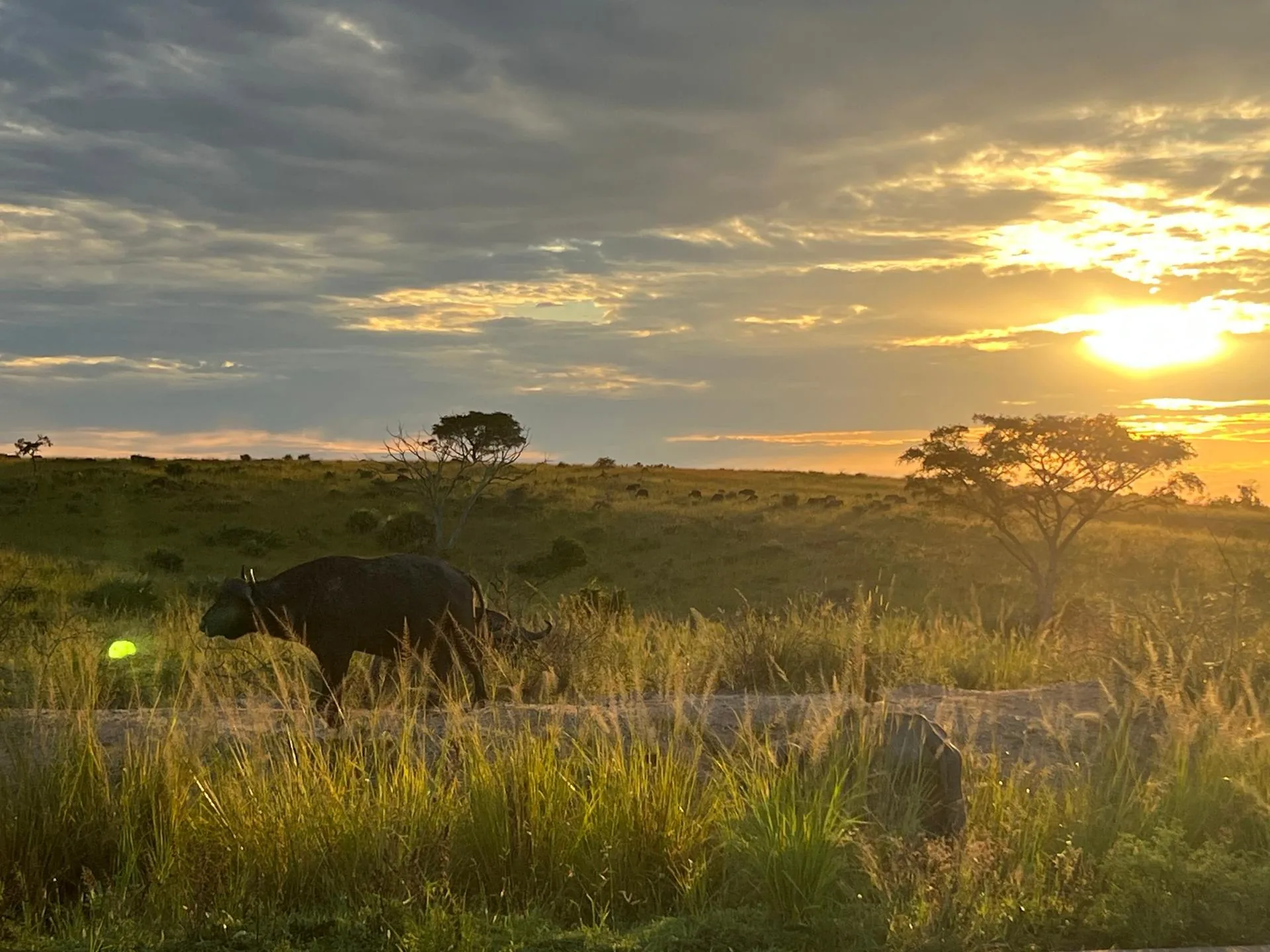
Buffalo moving across the Murchison Falls savannah at sunset
Late light gives Murchison's open savannah its scale and atmosphere.
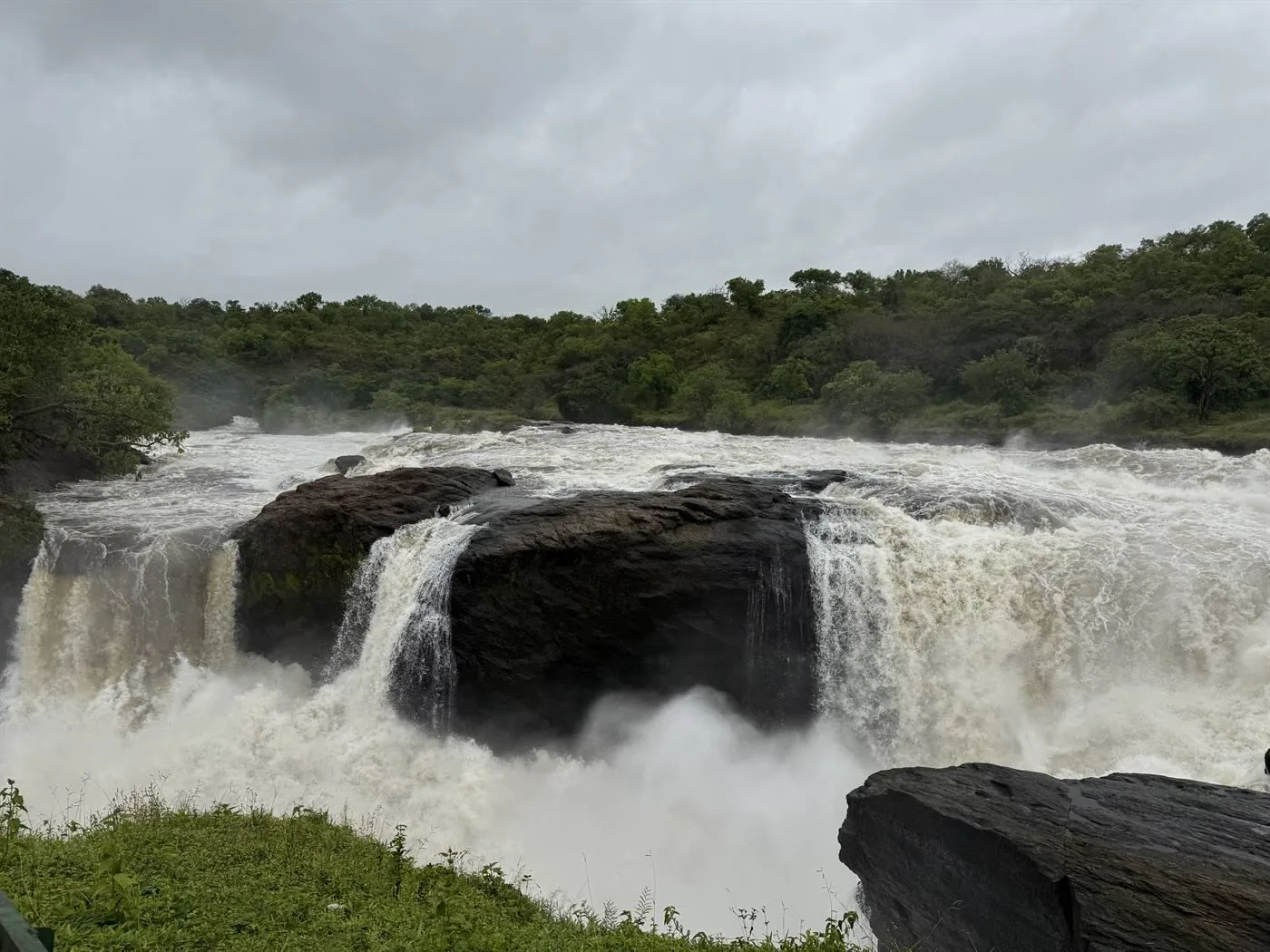
Top of Murchison Falls where the Nile squeezes through rock
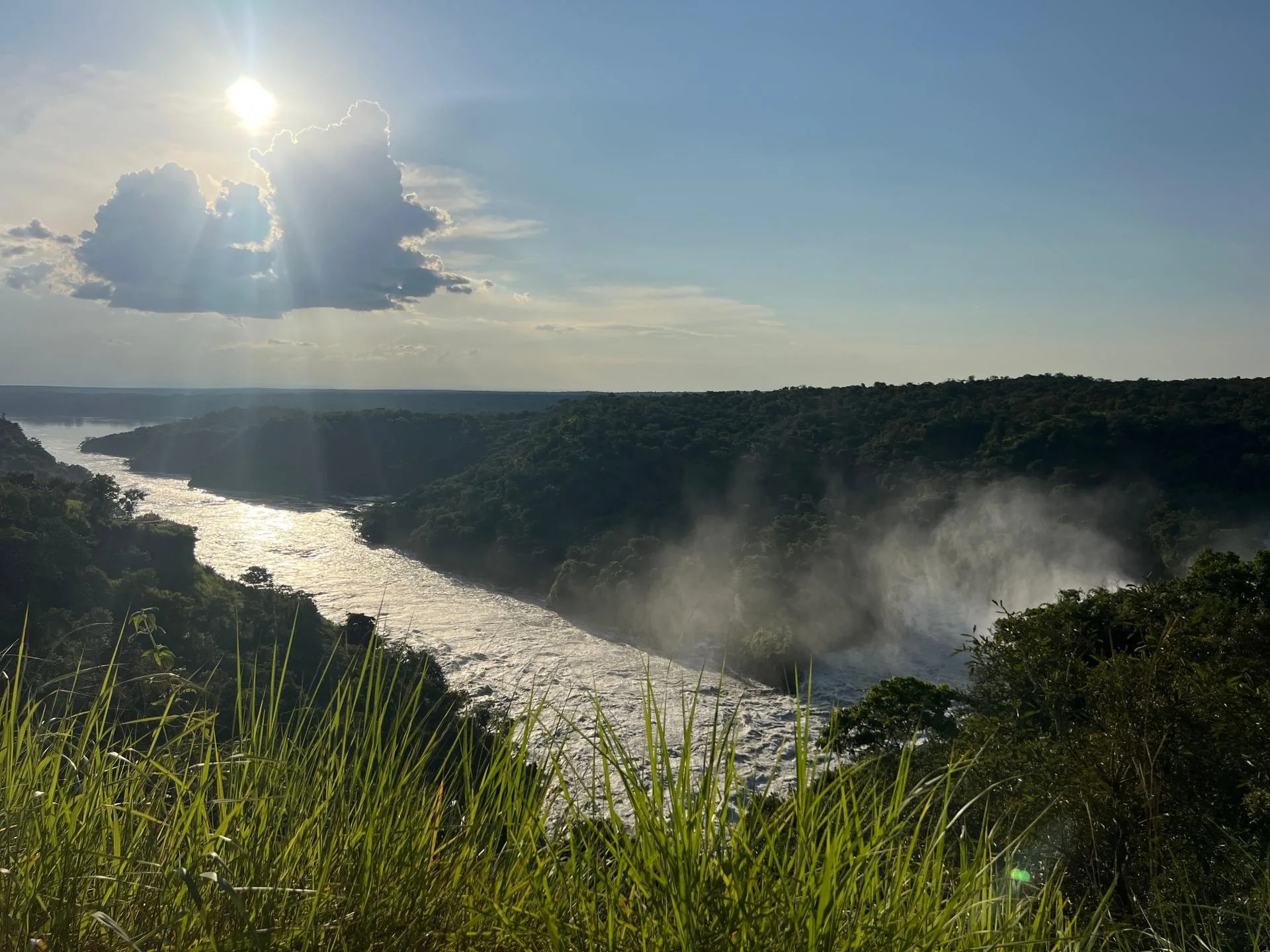
At the top of the falls, the Nile narrows suddenly before dropping into the gorge.

Top of the falls

The top of Murchison Falls is where the Nile becomes physical.

This viewpoint is the park's most concentrated moment. At Murchison Falls, also known historically as Kabalega Falls, the Victoria Nile is forced through a rock gap about 8 metres wide before dropping roughly 45 metres into the gorge and continuing west toward Lake Albert.

The scale is easier to feel than to photograph. That pressure is why the top-of-the-falls visit matters on a safari. It turns the Nile from scenery into sound, spray, vibration and force.

  • Name and memory: Samuel and Florence Baker officially sighted the falls in the nineteenth century and Baker named them for Sir Roderick Murchison. The Kabalega name still carries Bunyoro memory and is sometimes used today.
  • History around the river: Some accounts speculate that Nero's Nile expedition may have reached this area in 61 AD, but historians still debate whether that journey was feasible.
  • Why it is protected: The falls remain one of Uganda's most valuable tourism landmarks and the viewpoint gives travelers a direct sense of the power that defines the park.

What makes it worth the route

Best Murchison Falls safari experiences to plan before you book.

These are the experiences that make Murchison Falls National Park feel complete rather than rushed.

Top of Murchison Falls visit

Stand above the narrow rock gap where the Nile compresses with force. It gives the park its name and adds real drama to the safari story.

Nile boat cruise to the falls

The boat route is where hippos, crocodiles, elephants, birds and the approach to the falls create the park's most memorable slow scene.

Murchison game drives and delta wildlife

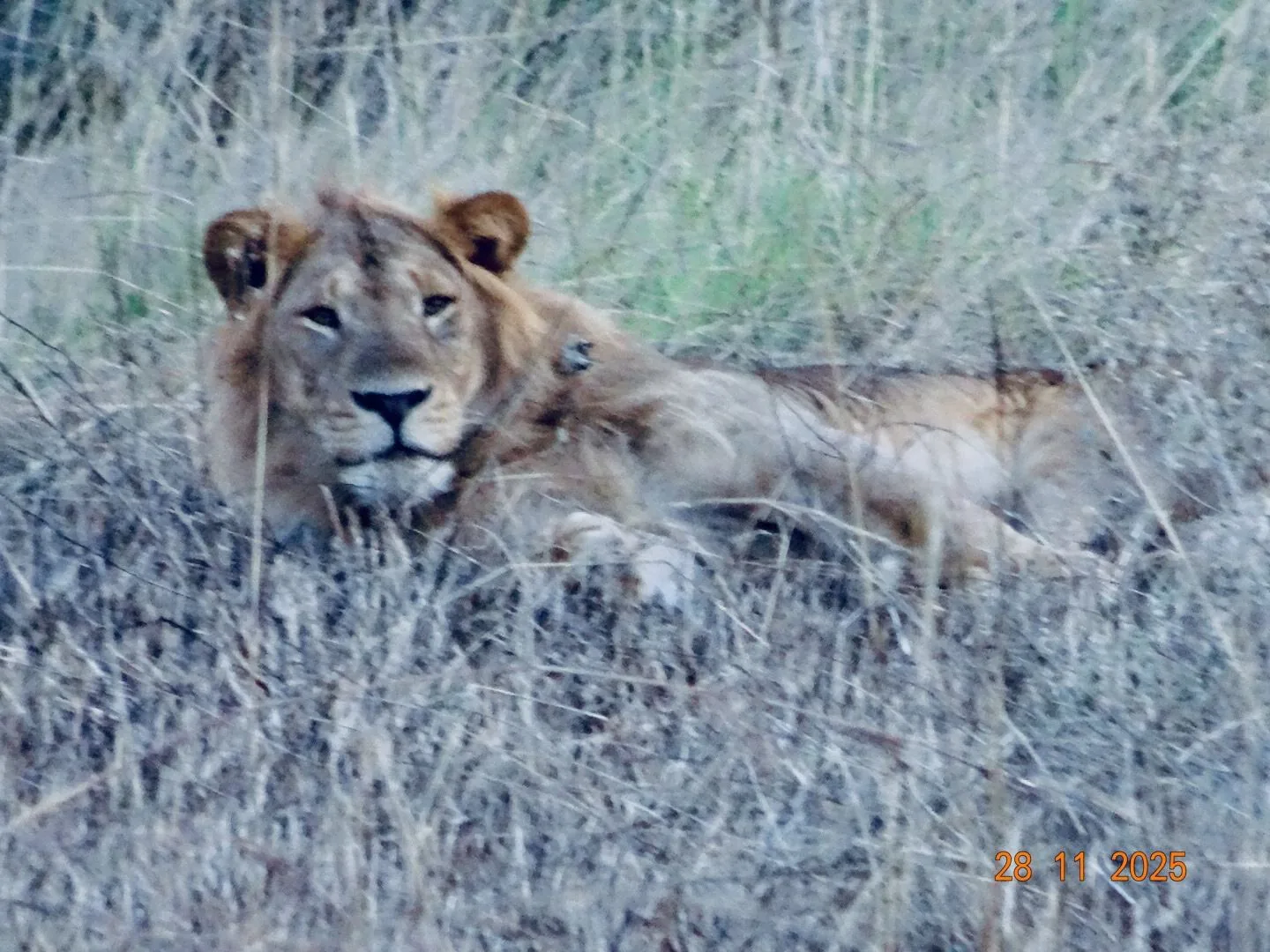
Early and late drives are strongest for giraffes, buffalo, elephants, antelope, lions and the wider feeling of northern Uganda.

Photography stops and river viewpoints

Murchison gives photographers river light, open plains, palms, wildlife silhouettes and one of Uganda's most powerful waterfall viewpoints.

Shape the experience

Know what you want to see, but not how to fit it together?

Tell us which parts of Murchison matter most. We will balance the boat, falls, wildlife, Ziwa, Budongo and lodge position around your available time.

Wildlife deep dive Murchison Falls game drives Open the full guide to sectors, timing, wildlife and private guiding.

MURCHISON FALLS GAME DRIVES

Game drives are the classic wildlife chapter of a Murchison Falls safari. The park is Uganda's largest national park and the drive experience changes with the side of the Nile, the time of day, the season and how carefully the route is planned around the Paraa Bridge crossing, lodge position and wildlife movement.

The strongest game drives usually happen early in the morning or later in the afternoon, when the light is softer, temperatures are cooler and animals are more active. Midday can still be useful for movement between areas or relaxed sightings near water, but it rarely carries the same feeling as the first hours after sunrise.

Where game drives work best

The northern sector is the best-known game-drive area for many travelers. Open savannah, Borassus palms, acacia woodland, river edges and delta routes create the classic Murchison feeling: wide country, giraffes above the bush line, elephants in family groups, buffaloes, antelopes and the possibility of lions or leopards when timing and luck cooperate.

The Buligi, Albert, Victoria and Queen tracks are often used for wildlife viewing, depending on road condition, season, bridge access and recent sightings. A good guide does not simply drive a fixed loop; they read tracks, light, fresh dung, alarm calls, vehicle reports and the way animals are using shade and water.

The southern side of the park feels more wooded and can be useful for route flow, forest connections and quieter movement. It is not always the main big-game theatre for first-time visitors, but it matters when the safari includes Budongo, the top of the falls or a lodge position that makes the south-bank rhythm more practical.

Wildlife to expect

Murchison Falls National Park supports a wide range of wildlife, including elephants, giraffes, buffaloes, Uganda kobs, hartebeests, oribis, warthogs, hippos near water, Nile crocodiles along the river and rich birdlife. Predators such as lions and leopards are present, but sightings depend on timing, conditions and the guide's field reading.

Giraffes are one of the signature sights, especially in the northern grasslands where they stand above the bush and make the landscape feel immediately different from Uganda's forest routes. Elephants often move between woodland, open ground and river edges, while buffaloes and antelopes give the plains their steady movement.

Birding also works well during game drives. The park has strong bird diversity and even travelers who are not specialist birders often notice bee-eaters, kingfishers, raptors, ground birds and water-associated species as the drive moves between savannah and river country.

How to plan the drive

A good Murchison game drive should not be squeezed between a long transfer and a boat cruise without enough breathing room. If the safari is short, protect at least one proper early morning drive. If the safari has two or three nights, use the extra time to vary the route, cross the Nile without rushing and let the park feel larger than a checklist.

Private guiding matters here because Murchison is not only about spotting animals. It is about knowing when to stop, when to move, which track to try, when to turn toward the delta and when to let a quiet landscape keep working. The best drives feel patient rather than frantic.

For travelers combining Ziwa, Budongo, the Nile boat cruise and the top of the falls, the game drive is the savannah counterweight. It gives the safari its open wildlife chapter before or after the river provides the drama.

Conservation deep dive Ziwa Rhino Sanctuary Open the full conservation, tracking, wildlife and route-planning guide.

ZIWA RHINO SANCTUARY

Ziwa Rhino Sanctuary, also known as Ziwa Rhino and Wildlife Ranch, is one of the most important conservation stops on the road between Kampala or Entebbe and Murchison Falls National Park. It sits in Nakasongola District, off the Kampala-Gulu Highway and is usually used as a meaningful break on the northern safari route rather than a simple roadside stop.

The sanctuary is best known for southern white rhinos. Uganda lost its wild rhinos during the years of heavy poaching and insecurity in the 1970s and early 1980s, so Ziwa became the living centre of the country's rhino recovery story. Six southern white rhinos were introduced to Ziwa in 2006 and the breeding programme has since produced many successful births.

For travelers heading to Murchison Falls, Ziwa adds a different kind of wildlife experience before the savannah and the Nile. Instead of watching from a vehicle, visitors usually track rhinos on foot with trained rangers, moving carefully through bush and open woodland until the animals are found grazing, resting or moving through the ranch.

Conservation and history

Ziwa was created to rebuild Uganda's rhinoceros population after rhinos had disappeared from the country's wild landscapes. The project began as a re-introduction effort, bringing southern white rhinos into a protected ranch where they could breed under close protection before future movement into larger protected areas became possible.

The ranch has worked as a guarded breeding ground, with rangers and wildlife staff monitoring rhinos closely and keeping the animals within a protected area. The long-term conservation idea has always been bigger than one sanctuary: grow a secure population, protect it from poaching pressure and eventually support rhino recovery in places where the species historically belonged.

That wider recovery has already begun to show. In 2026, rhinos bred at Ziwa were moved to Kidepo Valley National Park as part of Uganda's effort to restore rhinos to a protected landscape where they had been absent for decades. For a traveler, this makes Ziwa more than an activity stop. It is a place where Uganda's conservation story is still actively unfolding.

Rhino tracking experience

Rhino tracking at Ziwa is done with trained rangers who know where the rhinos are likely to be at that time of day. Depending on where the animals are, visitors may first drive across part of the ranch before continuing on foot. The walking section is usually calm and guided, but it still carries the special feeling of being on the ground with large wild animals.

The experience often takes about one and a half to two and a half hours, depending on the rhinos' location and movement. Closed shoes, drinking water, long trousers, insect repellent, sun protection and a camera are useful. The best experience is not rushed: the ranger explains how to approach, where to stand, how to keep distance and how to read the animals' behavior.

White rhinos are large, heavy and powerful, but they are also grazers, so the encounter often feels quieter than people expect. You may find them feeding in grassland, resting in shade or moving slowly through open bush. The point is not to chase them, but to meet them respectfully and understand why the sanctuary matters.

Other wildlife and habitat

Ziwa is not only about rhinos. The ranch includes woodland, savannah and swamp habitat, which makes it useful for birding and for slower nature experiences. More than 300 bird species are associated with the area and the ranch offers bird trails for travelers who want to add time beyond the rhino walk.

Other wildlife may include Uganda kobs, oribis, bushbucks, waterbucks, monkeys and other smaller species depending on season, route and luck. The ranch environment is also active at night, with nocturnal animals sometimes recorded around the accommodation and wilder corners of the property.

Because Ziwa sits before Murchison Falls on the northern road, it gives the route a strong opening chapter: conservation first, then the Nile, waterfall, boat cruise and Murchison game drives. For many travelers, it is the stop that turns the short Murchison route into a more complete Uganda wildlife story.

Route planning

Ziwa works best when it is planned honestly into the transfer day. From Kampala or Entebbe, the road north is already a substantial journey, so the rhino experience should be treated as a real activity with time for arrival, briefing, tracking and a relaxed continuation toward Murchison Falls.

On a three-day Murchison safari, Ziwa usually helps break the first or last road day. On a four-day route, it can be placed more comfortably so travelers do not feel they are rushing from rhinos straight into the park. On longer Uganda safaris, Ziwa can connect naturally with Murchison Falls, Kidepo, Budongo Forest or the wider northern circuit.

The practical details matter: weather, road conditions, rhino location, lodge position and onward timing can all affect the flow. A good private safari keeps Ziwa meaningful without letting it compress the Murchison Falls experience that follows.

Forest deep dive Budongo Forest Open the full forest, chimpanzee, birding, research and conservation guide.

BUDONGO FOREST

Budongo Forest is northwest of Kampala on the road toward Murchison Falls National Park, close to the escarpment above Lake Albert. It is one of Uganda's most important lowland forest landscapes and is strongly associated with East African mahogany, ironwood, chimpanzees, forest birds, research and conservation.

The forest reserve is commonly described as covering about 82,530 hectares, while the core forest landscape includes moist, medium-altitude, semi-deciduous forest mixed with patches of savanna and woodland. It forms part of the Albertine Rift setting and works as an important water catchment for the Lake Albert region.

Setting and conservation

Budongo's landscape is gently rolling, with forest blocks such as Siba, Waibira, Busaju, Kaniyo-Pabidi, Biiso and Nyakafunjo. Streams including Waisoke, Sonso, Kamirambwa and Siba drain through the forest system toward Lake Albert. Rainfall is strongest around March to May and again around September to November, while the drier window usually falls from December to February.

The nearest major town is Masindi and the surrounding land includes farms, villages and settlement areas. That closeness creates pressure on the forest margins through agriculture, demand for timber and building materials, charcoal burning, illegal logging, poaching and snares that can injure chimpanzees and other wildlife.

The forest is managed by the National Forestry Authority, while conservation and research work has also been supported through the Budongo Conservation Field Station and other partners. For travelers, Budongo is best understood as a living forest under pressure, not simply a green add-on to a Murchison Falls route.

Wildlife

Budongo is known for chimpanzees, forest birds, butterflies, moths, amphibians, trees and other mammals. The forest has long been associated with a large chimpanzee population and chimpanzee tracking around Kaniyo-Pabidi is one of the best-known forest experiences for travelers already visiting Murchison Falls.

The birdlife is especially important. Budongo is associated with more than 360 bird species, including forest specialists and species with a more western or central African character. Notable birds include Nahan's partridge, yellow-footed flycatcher, Ituri batis, lemon-bellied crombec, white-thighed hornbill, black-eared ground thrush and chestnut-capped flycatcher.

Large mahogany and ironwood trees give the forest much of its character. Some of the old buttressed trees are part of what makes Budongo feel different from savannah country: darker, quieter, more vertical and more dependent on patience.

Wildlife research

The Royal Mile is one of Budongo's best-known forest routes, especially for birding and forest atmosphere. It gives visitors a slower way to read the forest, with tall trees, calls from the canopy and the possibility of specialist birds that are difficult to find in open safari country.

Budongo is also important in chimpanzee research. Vernon Reynolds first studied chimpanzees in this forest in 1962 and later founded what became the Budongo Conservation Field Station. The station has supported long-term research into chimpanzee behavior, communication, conservation and the effects of forest pressure.

For a Murchison Falls safari, Budongo adds a forest chapter to a route otherwise shaped by the Nile, waterfall and savannah. It works best when the itinerary gives it enough time for chimpanzee tracking, birding or a quiet forest walk instead of treating it as a quick roadside mention.

Wildlife and route rhythm

Best time of day for Murchison game drives and boat safari activity.

Wildlife viewing here is not only about what species are present. It is about where you sleep, when you cross the river and how much time you leave for the Nile.

01

Morning game drives

Start early for cooler air, cleaner light and better chances around the delta and open savannah sectors.

02

Nile boat timing

The river cruise should be treated as a main event, not something squeezed in after a long transfer.

03

Top of the falls viewpoint

The top of the falls adds physical power and a sense of place that photos alone cannot carry.

Where the stay fits

Where to stay for a Murchison Falls safari: lodge position and route flow.

In Murchison, the best place to sleep depends on how you want the days to move: easier game drives, stronger Nile atmosphere, better value or a more polished private safari feel.

Standard

Budget-friendly Murchison safari lodges

Red Chilli Rest Camp or Fort Murchison suit travelers who want good-value access without losing the feeling of being close to the park.

Mid-range

Mid-range Murchison Falls lodges

Pakuba Safari Lodge or Murchison River Lodge can work well when comfort, wildlife access and sensible route flow all matter.

Luxury

Luxury Murchison Falls safari lodges

Paraa Safari Lodge or Nile Safari Lodge fit travelers who want a more polished stay, stronger river atmosphere and a premium safari feel.

For private safaris, we usually choose the lodge after deciding the route rhythm: rhinos first, falls first, boat timing, game-drive sectors and how early the next road day begins.

Suggested flow

Suggested Murchison Falls safari route flow.

  • Do not rush the first day: If you are coming from Kampala or Entebbe, build the transfer around realistic road time and a meaningful arrival.
  • Give the boat cruise real priority: It is not an optional extra; it is one of the core reasons Murchison feels complete.
  • Use early safari windows: Game drives are strongest when you work with wildlife timing rather than midday movement.
  • Include the falls viewpoint: Skipping the top of the falls leaves out one of the park's defining moments.

Practical tips

Murchison Falls safari planning notes before you inquire.

  • Best stay length: Two to three nights gives a calmer, more rewarding park experience than a rushed overnight.
  • Lodge position: North-bank, south-bank and river lodge choices can change game-drive flow and transfer pressure.
  • What to pack: Bring sun protection, neutral light layers, dust-friendly clothing and a camera setup that works from both vehicle and boat.
  • Internal route logic: Murchison often works well before Kibale, after Ziwa or as a contrast to Queen Elizabeth.

Natural route pairings

Murchison Falls combinations that build a richer Uganda journey.

Murchison becomes stronger when connected to the right neighboring experiences instead of being treated as an isolated stop.

History deep dive History, Bunyoro memory and protection Open the full story behind the falls, the protected landscape and the park today.

How the park became Murchison

Murchison Falls history adds context to the safari route, but planning should stay practical.

Long before Murchison Falls became Uganda's most visited national park, the area entered European records in 1862 when explorers John Hanning Speke and James Augustus Grant passed through during their search for the source of the Nile. A year later, Samuel and Florence Baker explored the region in greater detail and stood before the powerful waterfall where the Nile forces itself through a narrow rock cleft before plunging into the gorge below.

Baker named the falls after Sir Roderick Murchison, the renowned geologist and President of the Royal Geographical Society. The name still sits on the map, but the landscape also belongs to deeper local history, especially the Bunyoro story that remains central to the region's identity.

Protected landscape

What visitors should know before adding Murchison Falls National Park to a Uganda safari.

  • 1907-1912: Thousands of people were relocated from parts of the region as authorities tried to control sleeping sickness outbreaks linked to tsetse flies.
  • 1910: The Bunyoro Game Reserve was established south of the Nile, creating one of Uganda's earliest protected wildlife areas. It later expanded north of the river, laying the foundation for the modern park.
  • 1952: The British administration formally gazetted the area as Murchison Falls National Park under Uganda's National Parks Act.
  • 1972: During Idi Amin's rule, the park was renamed Kabalega National Park in honour of Omukama Chwa II Kabalega. The original name was later restored, but the Bunyoro connection still matters.

The park today

Murchison Falls National Park safari areas: river, savannah, woodland, forest and wetland.

Today, Murchison Falls National Park protects one of East Africa's most dramatic stretches of the Nile. Its habitats hold elephants, giraffes, lions, buffaloes, crocodiles, hippos, rich birdlife and the thunderous falls that give the park its name. For travelers, that history adds weight to the safari: this is not only a wildlife stop, but a landscape shaped by exploration, displacement, protection, political memory and the continuing identity of Bunyoro.

Frequently asked questions

Practical answers before you plan the park.

These answers set the right expectations; your final route still depends on dates, lodge availability, road conditions and onward travel.

How long should I spend at Murchison Falls?

Two to three nights usually gives enough time for game drives, a Nile boat cruise and the top of the falls without compressing every activity. Budongo or a slower Ziwa combination deserves additional time.

Is the Nile boat cruise essential?

It is one of the park's defining experiences. The cruise combines river wildlife, birdlife and the approach toward the falls, giving a completely different perspective from a game-drive vehicle.

Can I combine Murchison with Ziwa Rhino Sanctuary?

Yes. Ziwa sits naturally on the road north and works best when the transfer day includes enough time for arrival, briefing, tracking and the onward drive.

Where are the best game drives?

The northern savannah sectors are the best-known game-drive areas. Exact tracks depend on weather, road conditions, recent wildlife movement and the lodge position.

Does Murchison Falls work year-round?

Yes. Drier periods can simplify road access and viewing, while greener periods offer lush scenery, birdlife and dramatic skies. We adjust daily timing to the conditions.

Ask us to plan your Murchison Falls safari around dates, lodges, game drives and Nile boat timing.

We will shape the timing around game drives, the boat cruise, top-of-the-falls access, lodge position and internal links to Ziwa, Kibale, Queen Elizabeth or the rest of your private itinerary.