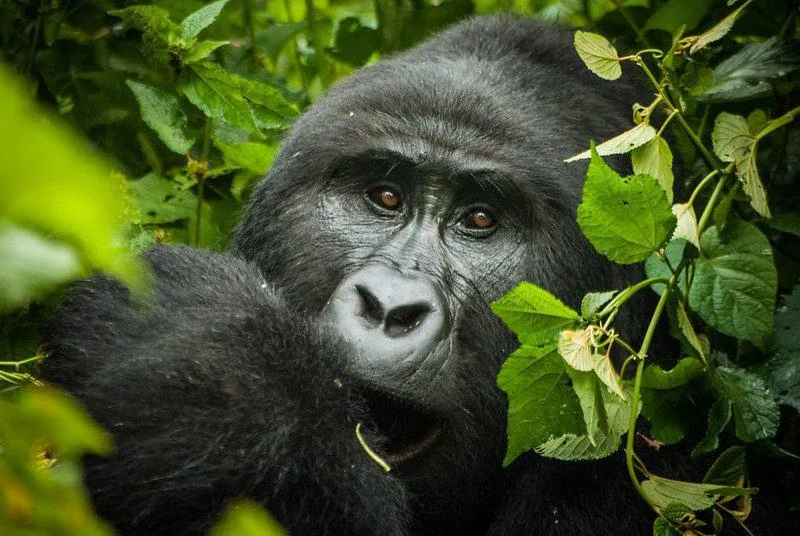
Mountain gorilla feeding in the green forest of Bwindi, Uganda

Uganda Gorilla Planning Guide

Best time for gorilla trekking in Uganda.

Gorilla trekking is possible throughout the year. The better question is which season gives you the right balance of trail conditions, permit availability, forest atmosphere, lodge choice, and comfort across the rest of your Uganda safari.

Updated June 27, 2026 10-minute read Local planning perspective

The honest answer

Choose the month around your whole journey, not weather alone.

For many travelers, the drier periods from June through August and December through February are the easiest starting point. Forest paths are often firmer, road conditions can be more predictable, and these months combine naturally with classic wildlife viewing elsewhere in Uganda.

They are not automatically the best months for everyone. Wetter periods can bring deep green forest, softer photographic light, and a quieter feel, while the gorillas remain in their natural habitat throughout the year. The trade-off is mud, heavier showers, and the need for more margin in road and trail planning.

The safest decision starts with your dates and preferred route, then matches the gorilla permit entry point with the correct Bwindi sector or Mgahinga plan, lodge, and transfer sequence.

Month-by-month guide

What each month can feel like in Uganda's gorilla highlands.

These are planning patterns, not weather promises. Bwindi and Mgahinga are mountain forests with local microclimates, so a dry-season trek can still be wet and a rainy-season morning can still open bright.

January

Drier and popular

Often a useful mix of firmer trails, holiday demand, and good pairing with savannah parks. Secure the permit and lodge together.

February

Warm, often drier

A strong all-round month before longer rains build. Forest showers remain possible, especially at altitude.

March

Rain begins to build

The forest becomes richer and wetter. Build in good rain protection and avoid making transfer days too tight.

April

Green and rain-ready

Often among the wetter periods. Expect mud and a quieter rhythm; choose it because you enjoy atmosphere, not because you expect easy trails.

May

Lush transition

Rain can remain significant, though conditions vary. This can suit photographers and travelers with flexible pacing.

June

Drier window opens

A popular time for gorillas and wider wildlife circuits. Permit and preferred lodge availability become more competitive.

July

Peak planning month

Often chosen for relatively drier trails and school-holiday travel. Book early and protect the trek with a nearby lodge.

August

Strong mixed-safari timing

Works well for gorillas, Queen Elizabeth, and longer Uganda circuits. Popular dates require early coordination.

September

Changing conditions

A useful shoulder period, but rain patterns can shift. Plan for both sun and wet forest rather than relying on a label.

October

Greener and wetter

Expect softer ground and rich forest colour. Extra road margin and realistic footwear matter more than a packed schedule.

November

Rain with quiet rewards

Can feel calm and deeply green. It suits travelers who accept variable conditions and want the landscape to lead the mood.

December

Drier holiday demand

Conditions often improve as the month develops, while festive travel raises demand for permits, lodges, and vehicles.

Local planning rule: never choose a non-refundable lodge first and hope the permit sector matches later. Uganda Wildlife Authority guidance ties gorilla tracking to a date and designated entry point, so permit location should lead the accommodation decision.

Season trade-offs

Dry season is easier to explain. Wet season can be more beautiful than expected.

The gorillas do not disappear when it rains. What changes is the human side of the day: footing, road time, clothing, photography, and how much energy remains afterward.

Generally drier periods

June-August and December-February

These windows often bring firmer trails and easier overland routing. They also attract stronger demand, so permit dates, sector lodges, and preferred rooms may disappear earlier.

Drier does not mean dry. Bwindi is rainforest and Mgahinga is a high volcanic environment; rain protection still belongs in the daypack.

Generally wetter periods

March-May and September-November

Trails may be muddier and showers heavier, but the forest can feel intensely alive. Green vegetation, mist, cloud breaks, and quieter lodge time can make these months rewarding.

The right vehicle, realistic transfers, gaiters or rain trousers, gloves, and porter support become especially useful.

For the complete forest kit, clothing layers, daypack, and domestic-flight luggage guidance, use our Uganda safari packing list.

What weather cannot tell you

Trek difficulty is never guaranteed by the calendar.

Gorilla families move. One group may be found relatively close to the trailhead while another requires a longer climb through vines, roots, ridges, and wet undergrowth. Recent rain, altitude, vegetation, and the assigned route can matter more than the month printed on your itinerary.

If mobility, age, recovery time, or family comfort is important, tell your planner before the permit and lodge are secured. Porter support, trekking poles, the night-before location, and a gentle day afterward can make a larger difference than chasing a supposedly perfect month.

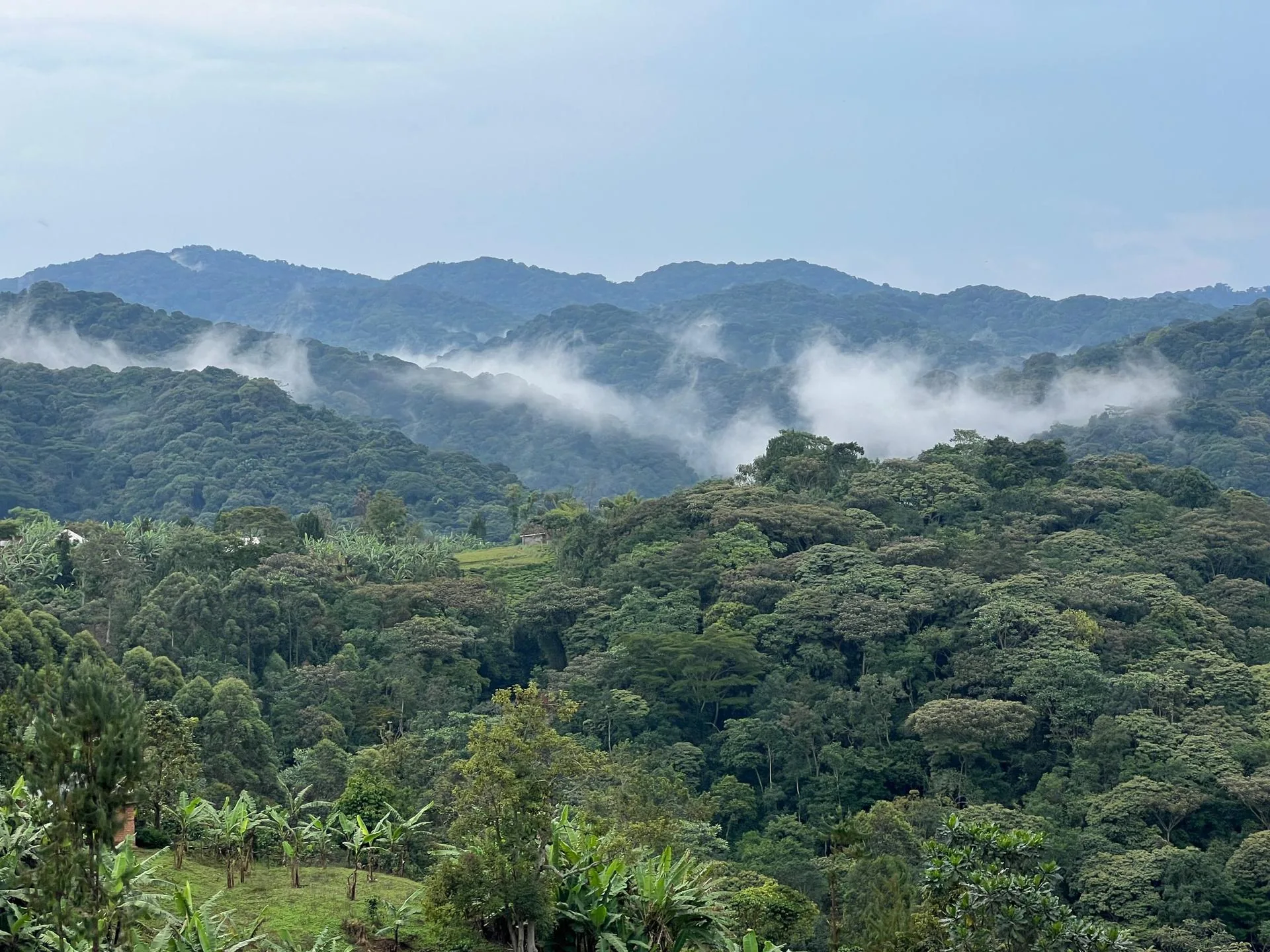
Dense green Bwindi rainforest in southwestern Uganda
Bwindi remains a living mountain forest in every season.

Choose for your travel style

The best month changes with the person making the trek.

First-time trekkers

Start with the drier windows.

June through August or December through February can reduce some trail and road uncertainty, especially if this is your first rainforest trek.

Photographers

Consider green-season atmosphere.

Moist forest, mist, softer light, and saturated foliage can be compelling. Protect equipment and be ready for changing exposure and rain.

Honeymoon travelers

Balance forest with lodge time.

Choose dates when your preferred room and sector align, then leave space after the trek for a slow afternoon rather than another hard transfer.

Families

Use school dates carefully.

July, August, and December are popular. Confirm that every trekker meets current participation rules and plan non-trekking alternatives for younger family members.

Older or cautious walkers

Plan support, not promises.

Drier months may help, but a porter, suitable sector logistics, good boots, poles, and honest pacing are the safer tools.

Long Uganda safaris

Let the complete route decide.

Gorillas may be one chapter among Kibale, Queen Elizabeth, Murchison, or Lake Mburo. Choose the month that serves the whole circuit.

Where you trek matters

The right park and entry point can matter as much as the season.

Uganda's mountain gorillas are tracked in Bwindi Impenetrable National Park and Mgahinga Gorilla National Park. Within Bwindi, the designated entry sector shapes the lodge, road approach, altitude, and surrounding itinerary. Compare all four in our Bwindi sectors guide.

North

Buhoma

A classic northern gateway with strong lodge depth and useful access from Ishasha, Queen Elizabeth, and Kihihi.

East

Ruhija

A highland forest sector that can suit birding, eastern access, and routes connecting Kabale or Queen Elizabeth.

South

Rushaga

A permit-rich southern base with access through Kisoro, Lake Mutanda, and the wider southern Bwindi landscape.

Southwest

Nkuringo

A dramatic ridge setting where elevation, views, lodge position, and fitness deserve careful planning.

Mgahinga Gorilla National Park offers a different Virunga experience near Kisoro, with volcanic scenery and natural links to golden monkey tracking and Lake Mutanda. It is not a backup without character; it is a distinct park whose permit, lodge, and transport logic should be planned deliberately.

Permit and lodge timing

Book when your dates are firm enough to align the permit, sector, and lodge.

Popular drier months and holiday periods deserve earlier planning, but there is no responsible universal deadline that guarantees availability. Permit inventory, group size, sector preference, lodge choice, and the rest of the route all matter. Check the current prices and payment rules in our Uganda gorilla permit guide.

The correct order is simple:

  • Confirm the travelers, likely dates, and whether everyone plans to trek.
  • Check official permit availability for the date and designated entry point.
  • Match the lodge to that entry point and the previous day's road or flight arrival.
  • Protect the trek morning from a long transfer or late arrival.
  • Build the next day around realistic recovery and onward travel.

For a compact example, see our 3-day Bwindi gorilla trekking safari. For a broader western route, compare the 8-day gorilla, wildlife, and chimpanzee safari.

Planning questions

Quick answers about timing a Uganda gorilla trek.

What is the best month for gorilla trekking in Uganda?

June to August and December to February are generally the drier windows and often offer firmer forest trails. Trekking operates year-round, however, and the best month also depends on permits, lodge choice, route design, and your tolerance for rain and mud.

Can I trek gorillas in Uganda's rainy season?

Yes. Gorilla trekking continues during wetter months. Expect greener forest, more mud, rain-ready clothing, and potentially slower road or trail conditions. Rain is possible in every month.

Does dry season guarantee an easy trek?

No. Drier weather may improve footing, but difficulty still depends on gorilla movement, terrain, altitude, recent local rain, and the route assigned on the day.

Is Bwindi or Mgahinga better?

Neither is automatically better. Bwindi offers several entry sectors and broad lodge choice; Mgahinga offers a distinctive Virunga setting near Kisoro. The right choice comes from permit availability and route fit.

How early should I plan a gorilla permit?

Plan as early as practical once your dates are reasonably firm, particularly for popular travel windows. The permit date and entry point should be coordinated with the lodge and transfers before non-refundable bookings are finalized.

Official references: park facts and season context were checked against the Uganda Wildlife Authority pages for Bwindi, Mgahinga, its dry-season guidance for primate tracking and wildlife viewing, and its gorilla and chimpanzee tracking guidelines. Weather remains variable; confirm current permit rules and availability before payment.

Continue planning

Destination guide

Bwindi gorilla trekking

Understand the forest, permits, sectors, lodge planning, Batwa context, and wider safari connections.

Virunga alternative

Mgahinga gorilla safari

Compare the smaller volcanic park, Kisoro access, golden monkeys, and Lake Mutanda route logic.

Private route

Uganda safari itineraries

See how gorilla trekking fits with wildlife parks, chimpanzees, domestic flights, and longer private journeys.

Plan the date and route together

Tell us when you can travel, and what kind of trek you want.

We will compare permit reality, Bwindi or Mgahinga access, lodge position, trail expectations, and the rest of your Uganda safari before asking you to confirm.