Why 17 days is ideal for a first Uganda safari
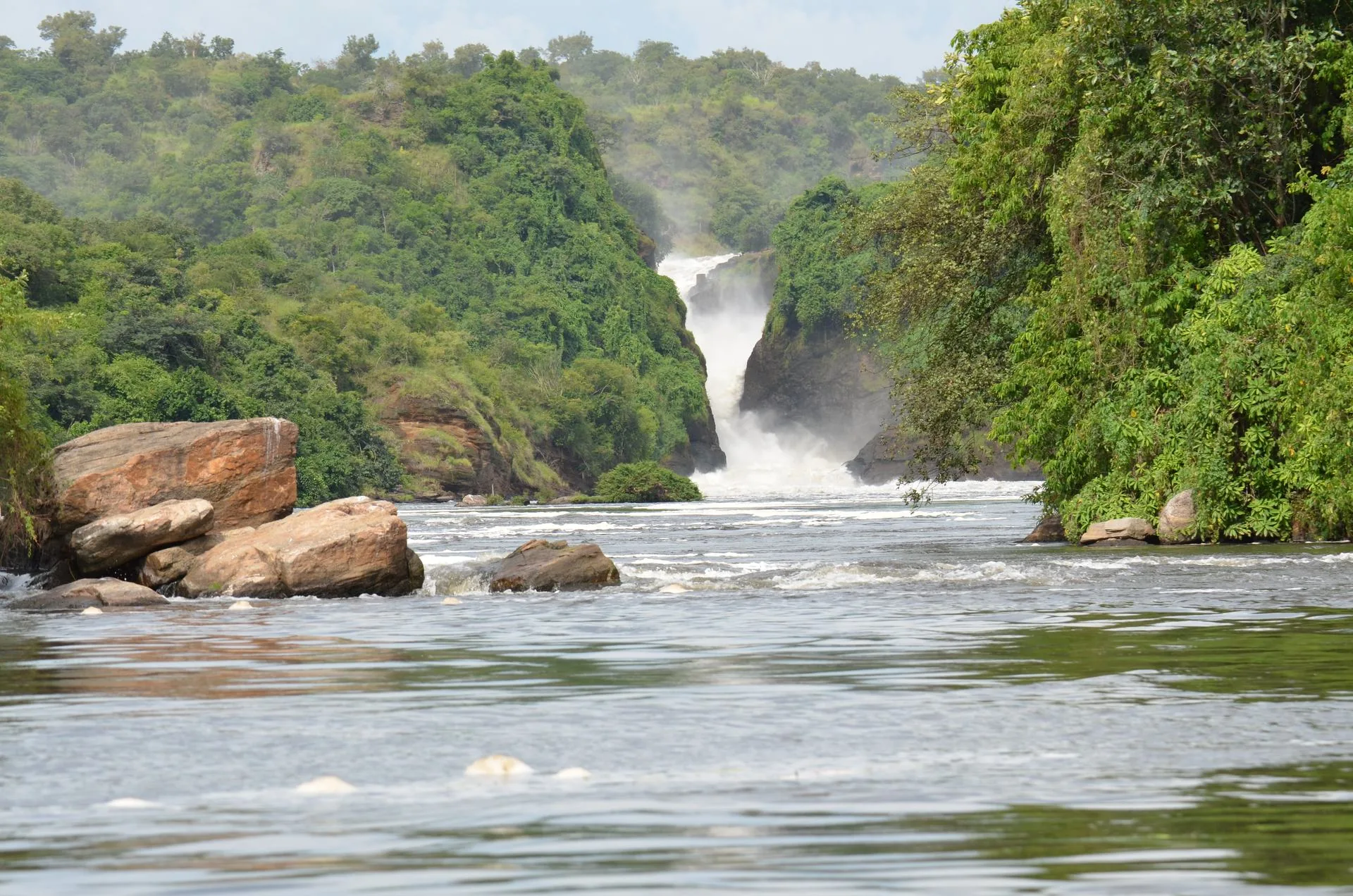
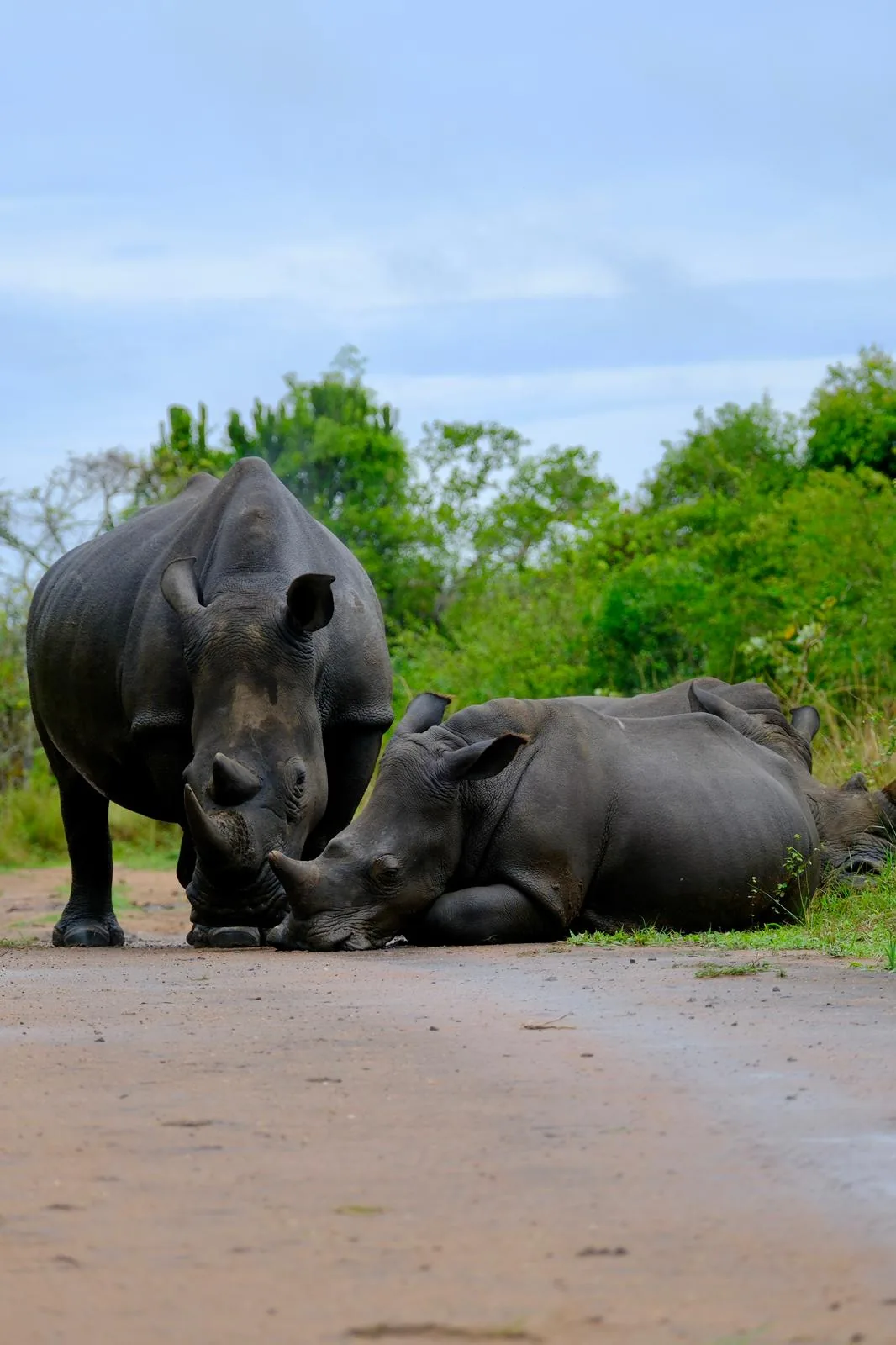
Seventeen days gives a first-time Uganda traveler enough room to understand the country rather than simply collect sightings. Shorter routes often force hard choices between Murchison Falls, Kibale, Queen Elizabeth National Park, Bwindi, Lake Bunyonyi and Lake Mburo. This route keeps the major wildlife chapters while adding breathing space between them. You can move from the Nile to savannah, forest, crater country, gorilla hills and lake landscapes without every day becoming a transfer day.
The extra time matters most after long drives and treks. It allows a proper Murchison stay, two forest-focused nights around Kibale, several Queen Elizabeth and Ishasha chances and a gentler finish in Lake Mburo before returning to Entebbe.
Wildlife seasonal changes across the route
Uganda is a year-round safari destination, but the feel of the route changes by season. Drier months usually make walking and forest trails easier and animals can be more predictable around water sources in savannah parks. Greener months can bring richer scenery, dramatic skies, active birdlife and softer light for photography, though some tracks may be slower after rain.
In Murchison and Queen Elizabeth, wildlife viewing depends on water, grass height and local movement patterns. In Bwindi and Kibale, rain can appear in any month because these are forest systems, so packing matters more than chasing a perfect forecast. For a deeper seasonal read, compare this route with our best time for gorilla trekking in Uganda guide before choosing dates.
Photography opportunities and how to pace them
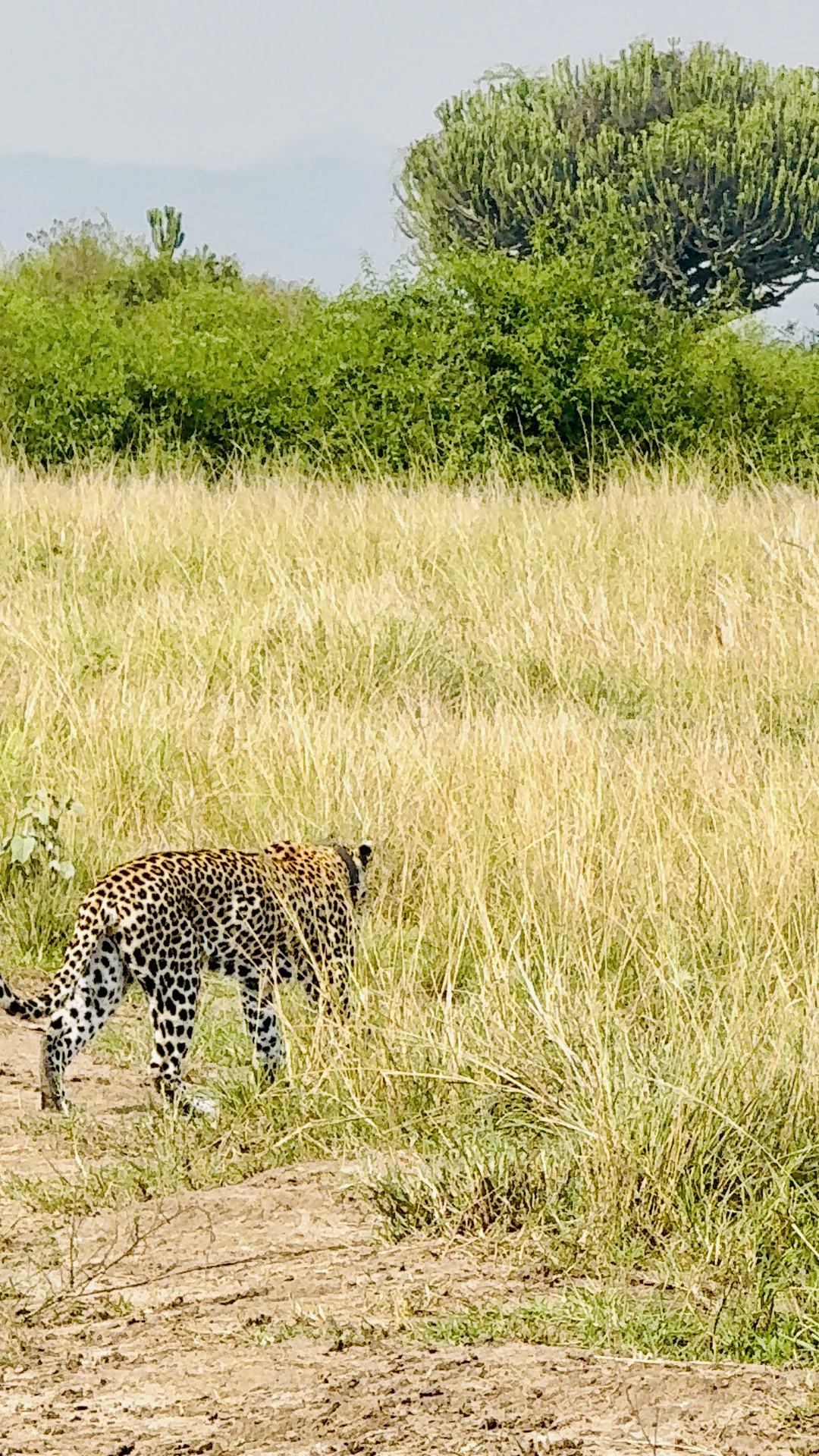
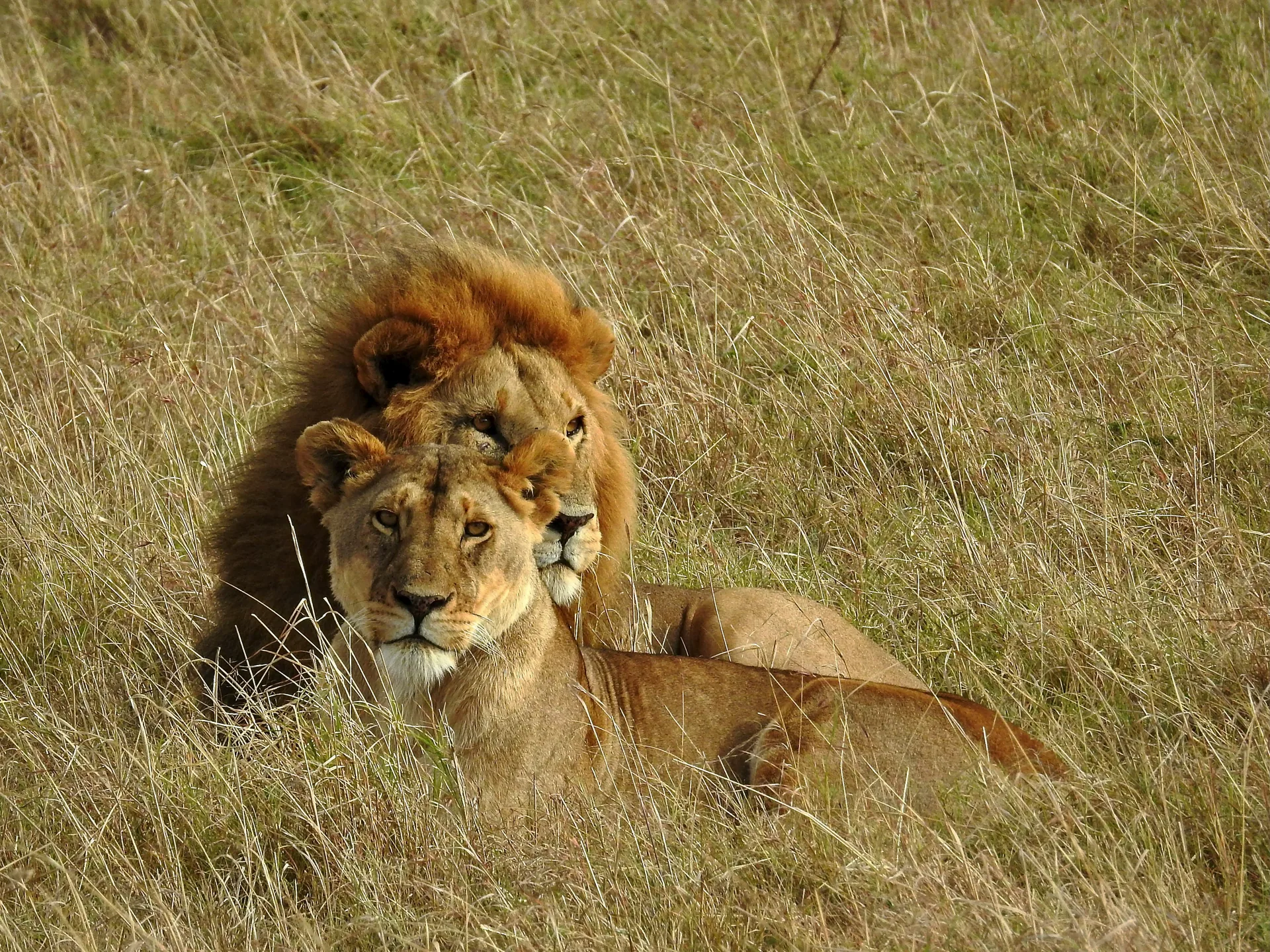
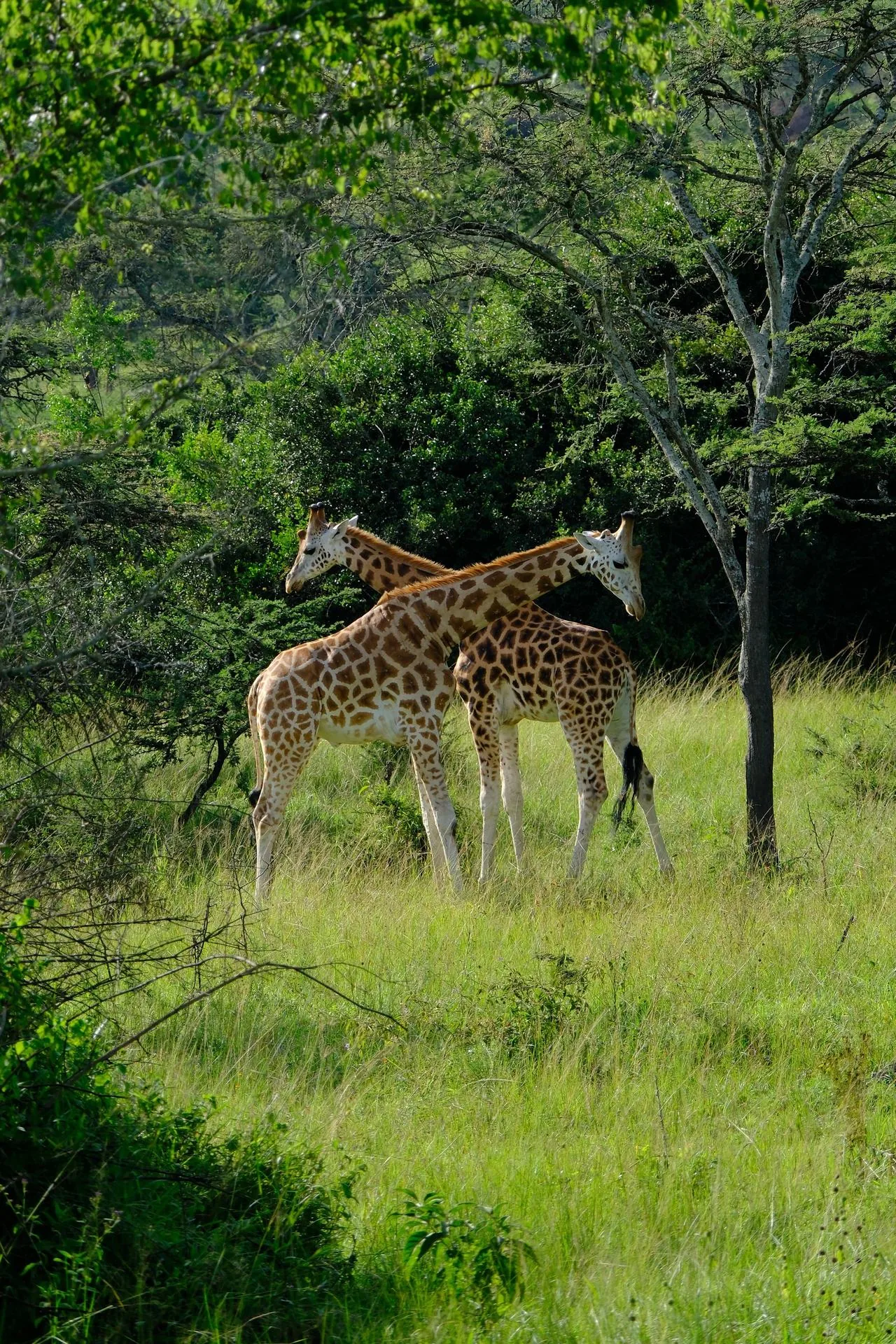
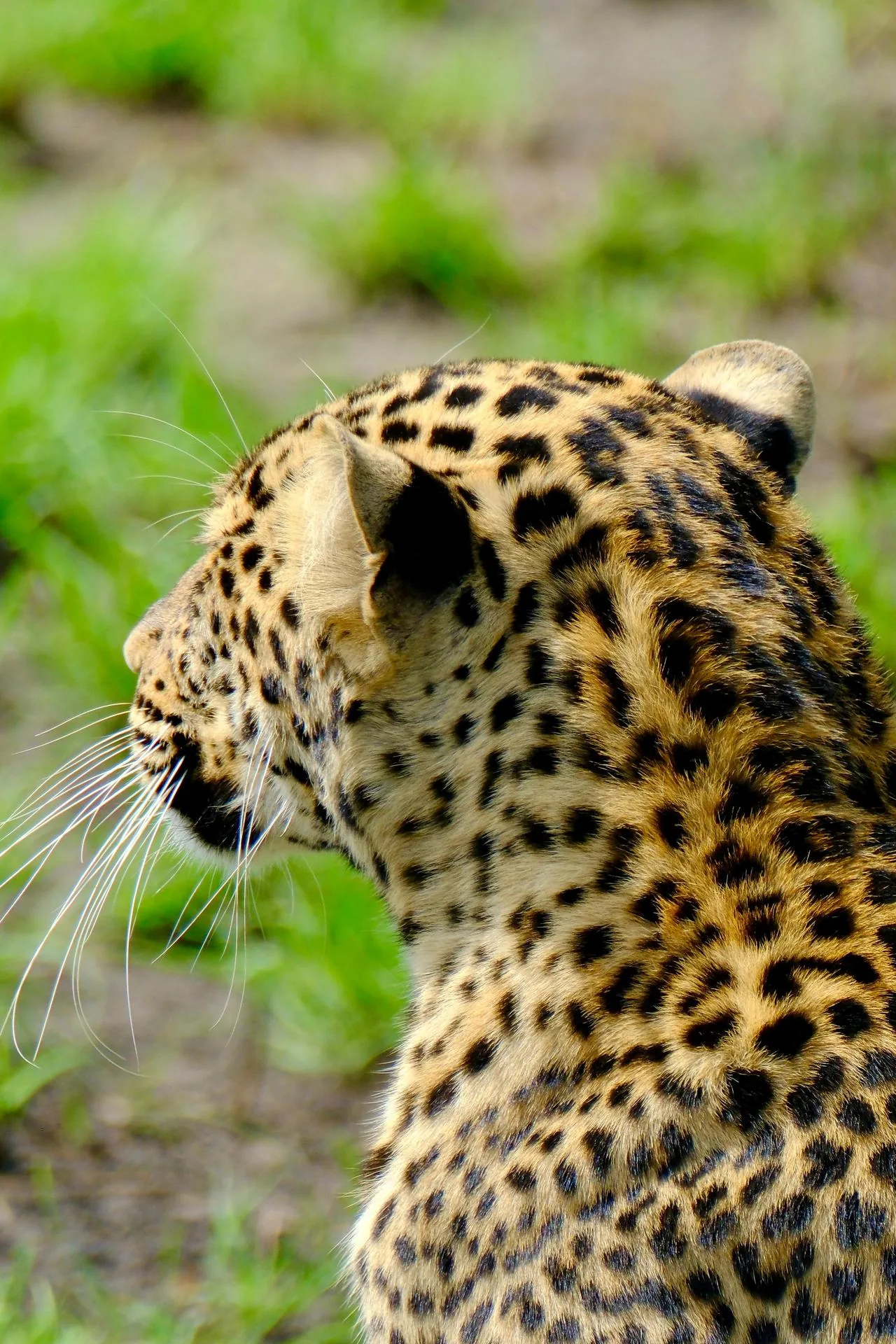
This itinerary is strong for photographers because it changes texture repeatedly. Murchison gives open savannah, giraffes, riverbanks and the force of the falls. Queen Elizabeth adds crater scenery, Kazinga Channel wildlife at water level and the Ishasha fig trees where lions may rest above the plains. Bwindi and Kibale are darker, greener and more intimate, with primates, forest detail and human-scale storytelling.
The best practical advice is to protect early mornings and late afternoons. Ask for slower game drives when light is good, keep a dry bag for forest trekking and carry enough batteries because long road days and remote lodges can make charging less convenient. For gorillas, photography should never override ranger instructions. The hour is brief, emotional and better when you stay calm.
Packing advice specific to this route
This route crosses warm lowlands, cool crater country, wet forests, open savannah and lake evenings. Pack light, but do not pack as if Uganda is one climate. Neutral clothing, a fleece or light jacket, breathable long sleeves, a proper rain shell and broken-in trekking shoes are more useful than heavy formal travel clothing. A soft-sided bag is easier for safari vehicles than a rigid suitcase.
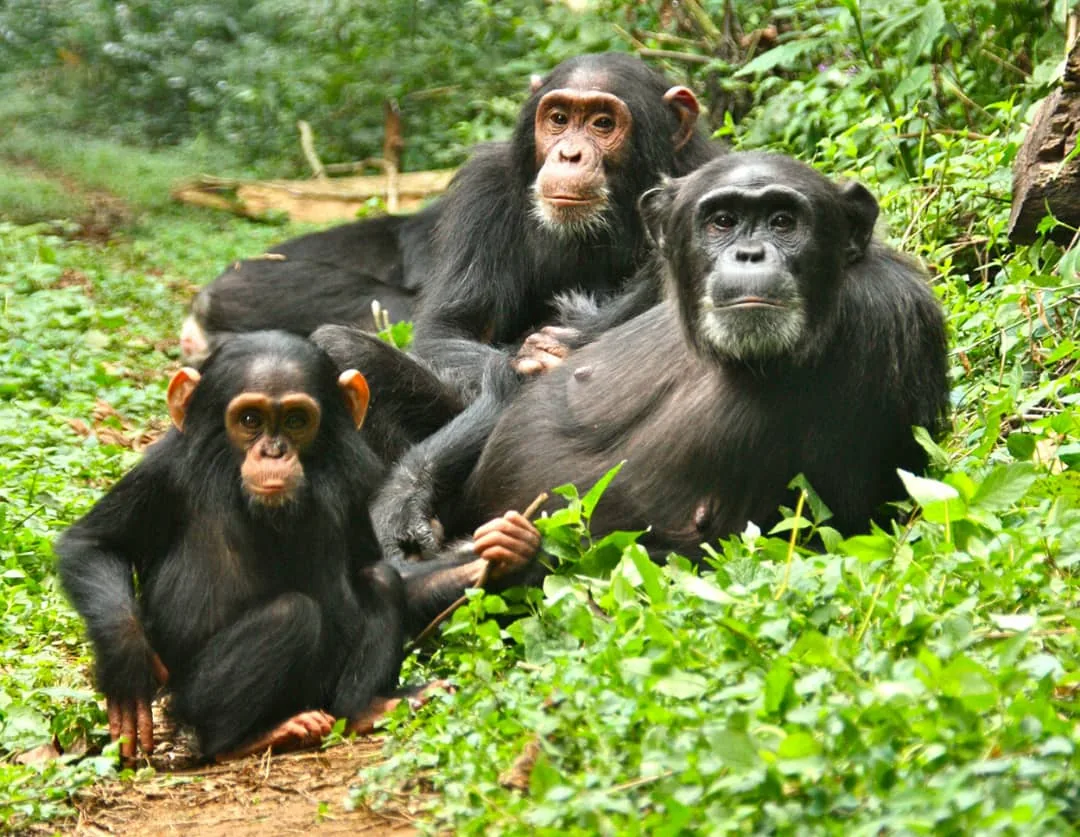
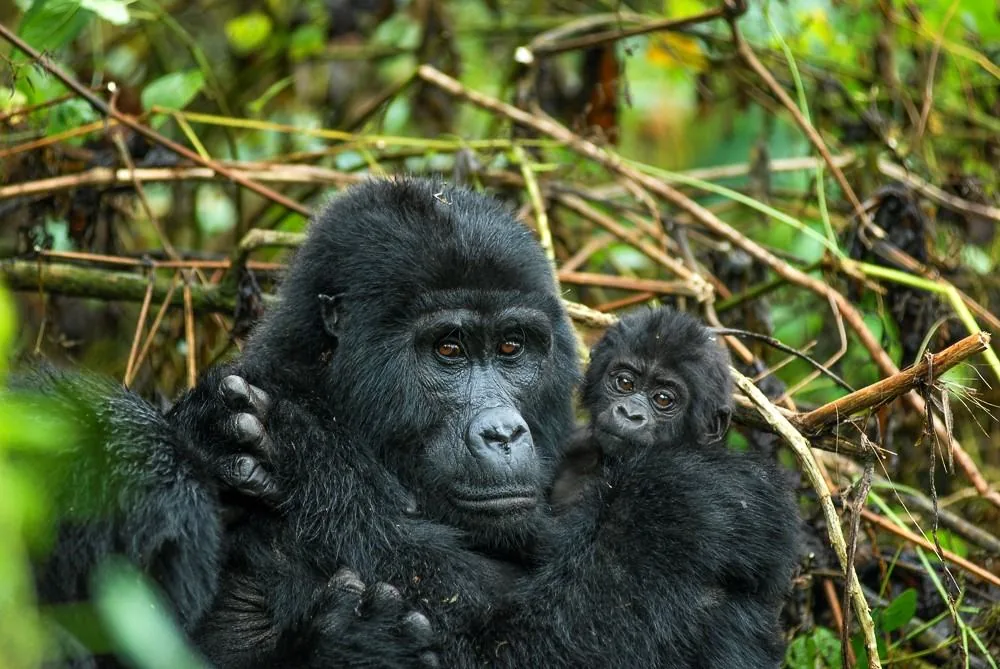
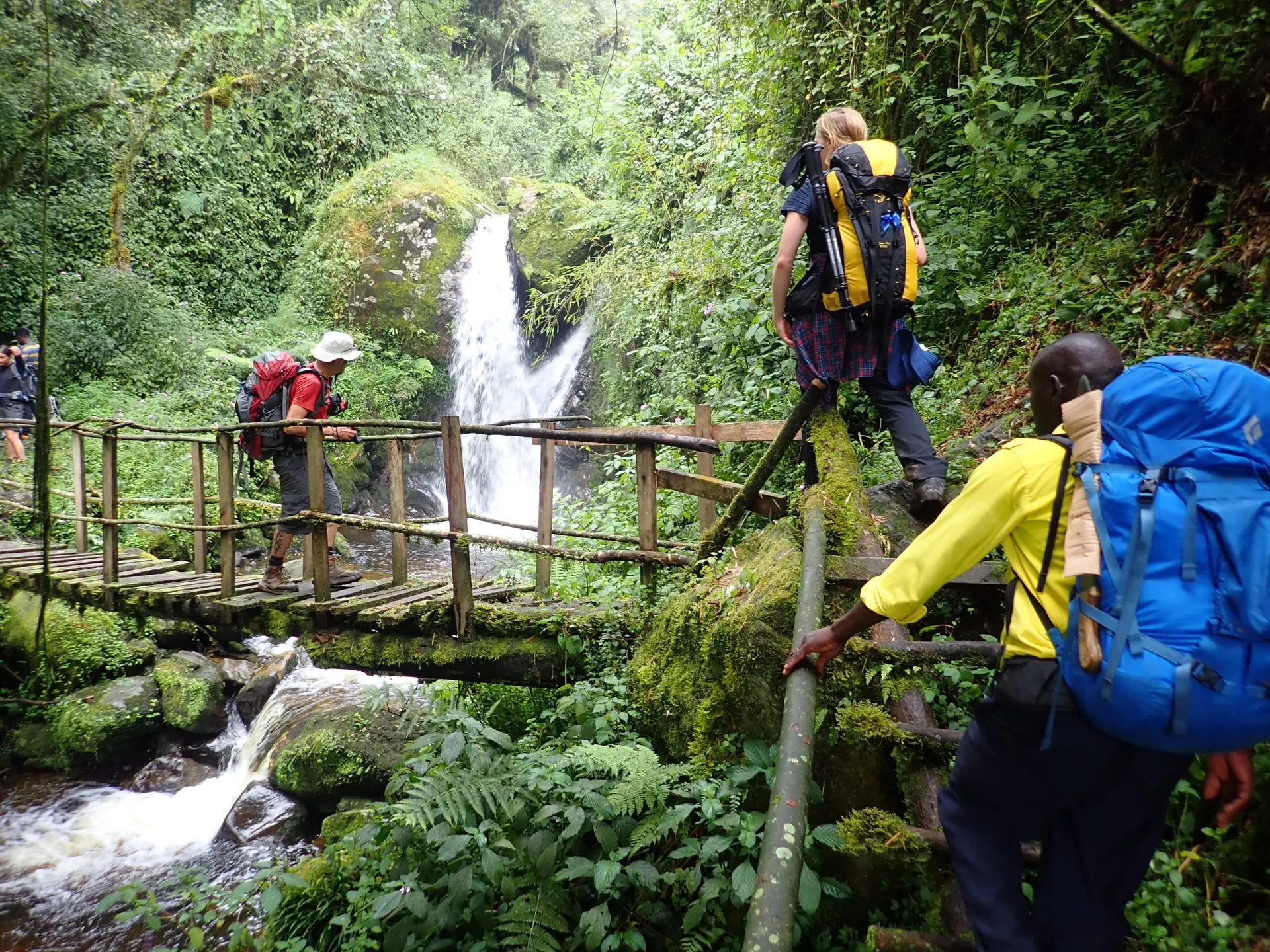
For gorilla trekking and chimp tracking, bring gloves, gaiters or long socks, a small daypack, insect repellent and waterproof protection for camera gear. For boat safaris and open vehicles, add sun protection, sunglasses, binoculars and a light scarf or buff for dust. Laundry is possible at many lodges, so smart repeatable layers beat overpacking.
Which lodges work best by season
Lodge choice is not only about budget. In wetter periods, location and road access matter more, especially around forest and crater regions. In hotter months, a lodge with shade, airflow, a pool or strong midday comfort can change the entire feeling of a safari. In Bwindi, being well placed for your assigned trekking sector can be more important than choosing the most famous lodge name.
On this route, many travelers spend more on the nights that shape comfort most: Bwindi before and after gorillas, Queen Elizabeth or Ishasha for wildlife access and a scenic Lake Mburo or Bunyonyi finish. We keep lodge choices flexible because final availability, sector allocation, road timing and travel style all matter. For budgeting context, see our Uganda safari costs guide.
How permit timing shapes the itinerary
Gorilla and chimpanzee permits are not a small admin detail. They anchor the route. Once your gorilla permit date and trekking sector are confirmed, the surrounding nights need to make sense around road distance, lodge availability and your energy the morning of the trek. Chimp permits also affect how the Kibale chapter is paced, especially if you want a Bigodi walk, crater-lake time or a slower forest evening before tracking.
This is why we check permit space before treating the itinerary as final. A good proposal should avoid forcing a late arrival before a major trek or a punishing transfer immediately after one. Read more in our Uganda gorilla permit guide.
Why Lake Bunyonyi comes after gorillas
Lake Bunyonyi is placed after Bwindi for emotional and physical reasons. Gorilla trekking can be muddy, steep and deeply moving. Even when the walk is not technically difficult, the concentration, early start and intensity of the encounter can leave travelers quiet afterward. Moving straight into another major wildlife target can make the route feel rushed.
Bunyonyi changes the tempo. The lake gives terraced hills, canoe or boat time, soft views and a pause before the safari turns toward Lake Mburo and the final return. It also works geographically, sitting naturally between the gorilla highlands and the south-western road toward the last savannah chapter. In a well-paced private safari, recovery time is not wasted time. It helps the big moments land.
Road versus domestic flight trade-offs
This 17-day route is designed mainly as an overland safari because the road tells part of Uganda's story: tea fields, villages, escarpments, crater lakes, papyrus edges and the gradual change from north to west to southwest. A private 4x4 also keeps the route flexible for photo stops, market pauses, timing changes and scenic detours.
Domestic flights can still make sense if you want to reduce road hours, protect a tight international connection or upgrade comfort after gorilla trekking. The trade-off is that flights add schedule dependence, luggage limits and sometimes extra transfers between airstrips and lodges. For many travelers, a mixed plan works best: use the road where it adds meaning and consider a flight only where it genuinely improves the journey.