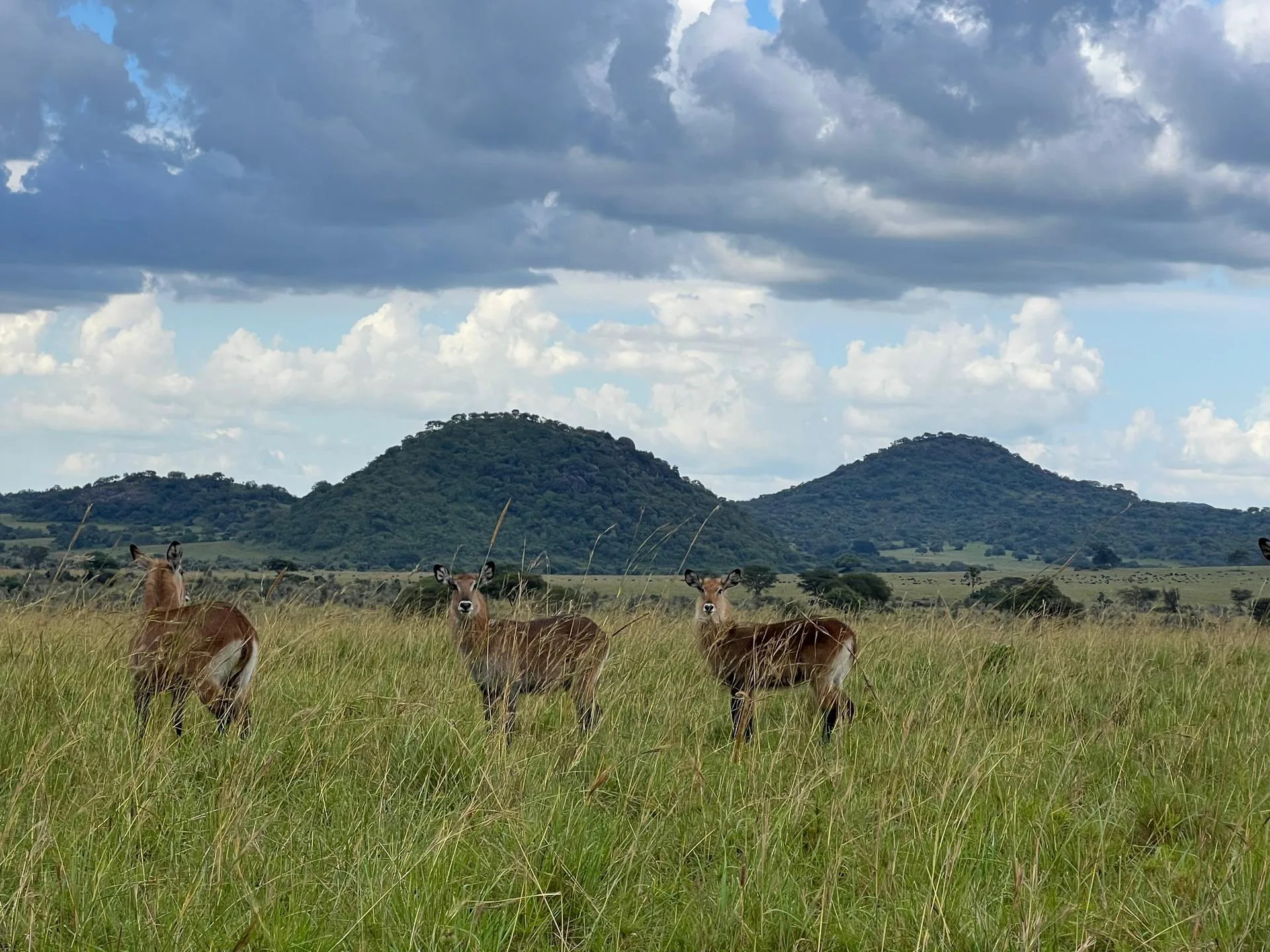
Kidepo Valley National Park: Uganda at its widest, quietest and most untamed.
The road runs far north, the hills pull back and the savannah opens into a kind of silence you do not find on busier safari circuits. Kidepo is not a quick tick. It is a journey into space.
Kidepo is far for a reason. Its distance is part of the safari.
Kidepo Valley National Park was established in 1962 and protects about 1,442 square kilometers in Uganda's far northeast, close to the borders with South Sudan and Kenya. It sits in the Karamoja region, where dry savannah, mountains, seasonal rivers and wide valleys create one of the country's most dramatic safari landscapes.
The park is shaped mainly by the Narus Valley, where wildlife viewing is usually strongest and the wider Kidepo Valley, where open space, borassus palms, sand rivers and distant hills give the destination its feeling of frontier wilderness.
Narus and Kidepo valleys
Narus often carries the main game-drive rhythm because water and wildlife concentrate there, especially in drier periods. Kidepo Valley feels more austere and cinematic, with scenery that makes the journey feel bigger than sightings alone.
Karamoja and mountain context
A thoughtful Kidepo safari can include respectful Karamoja cultural context and some longer routes look toward Mount Morungole and the Ik community. This layer should be handled carefully, with local guidance and time to listen rather than perform culture for the camera.
Arrival in the far north
Kidepo does not feel like an add-on. It feels like a decision.
The first reward is not always an animal. Sometimes it is the scale: grassland running to mountains, a road with no crowd around it and the sense that the safari has moved beyond convenience into commitment.
That is why we build Kidepo for travelers who want the north to matter. It can stand alone in a focused Kidepo Valley safari, extend from Murchison Falls or anchor a longer Uganda safari circuit where the country has time to change slowly.
The feeling of the north
The beauty of Kidepo is that the park still feels larger than the vehicle.
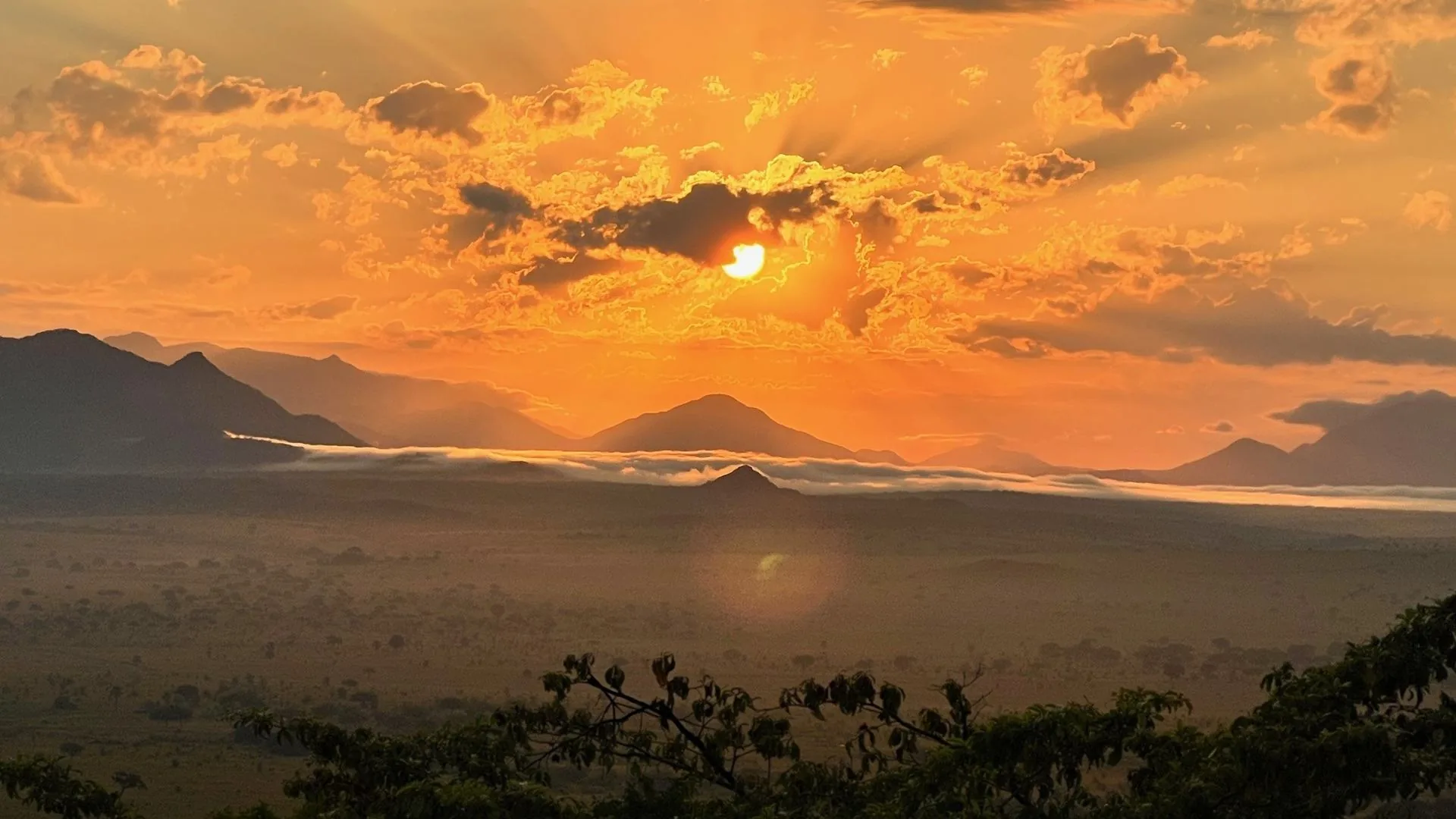
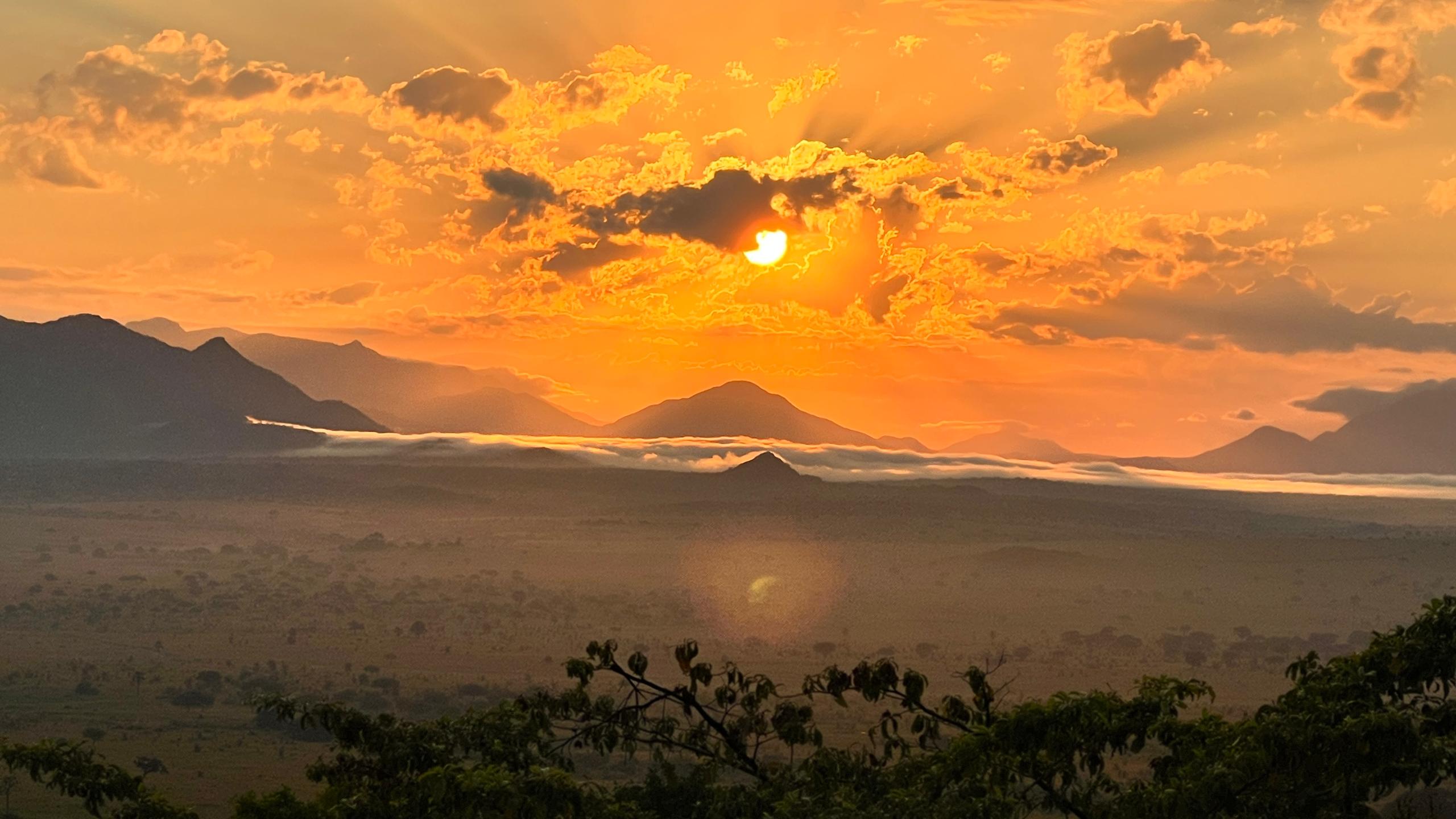
Morning in Narus can begin with soft gold light, buffalo moving like dark stones across the grass, giraffes above the bush and predators using distance as cover. The air feels open. Sound travels differently. Even a quiet drive feels full because the landscape keeps speaking.
Kidepo is not the easiest safari to plan, but that is part of its value. Travelers who make the journey usually remember the space, the silence, the night sky, the Karamoja hills and the feeling of being far from the standard route.
Kidepo rewards travelers who let the landscape become part of the safari, not only a background.
What stays with you
The strongest Kidepo safaris are built around space, timing and respect for distance.
Narus Valley wildlife, Kidepo Valley scenery, Karamoja culture and the long northern route all need room to breathe.
Narus Valley game drives
This is the park's main wildlife stage, especially around water, grassland edges and early or late light.
Kidepo Valley scenery
Sand rivers, borassus palms, mountains and wide horizons give the park its remote northern signature.
Karamoja context
Handled respectfully, local cultural context can make the route feel grounded rather than only scenic.
Light and silence
Sunrise, sunset, dust and open air matter here. Kidepo is a mood as much as a checklist.
Seen along the way
Kidepo sells itself through distance, faces and open country.
The north feels different because the landscape, wildlife movement and Karamoja context all stay visible at once.
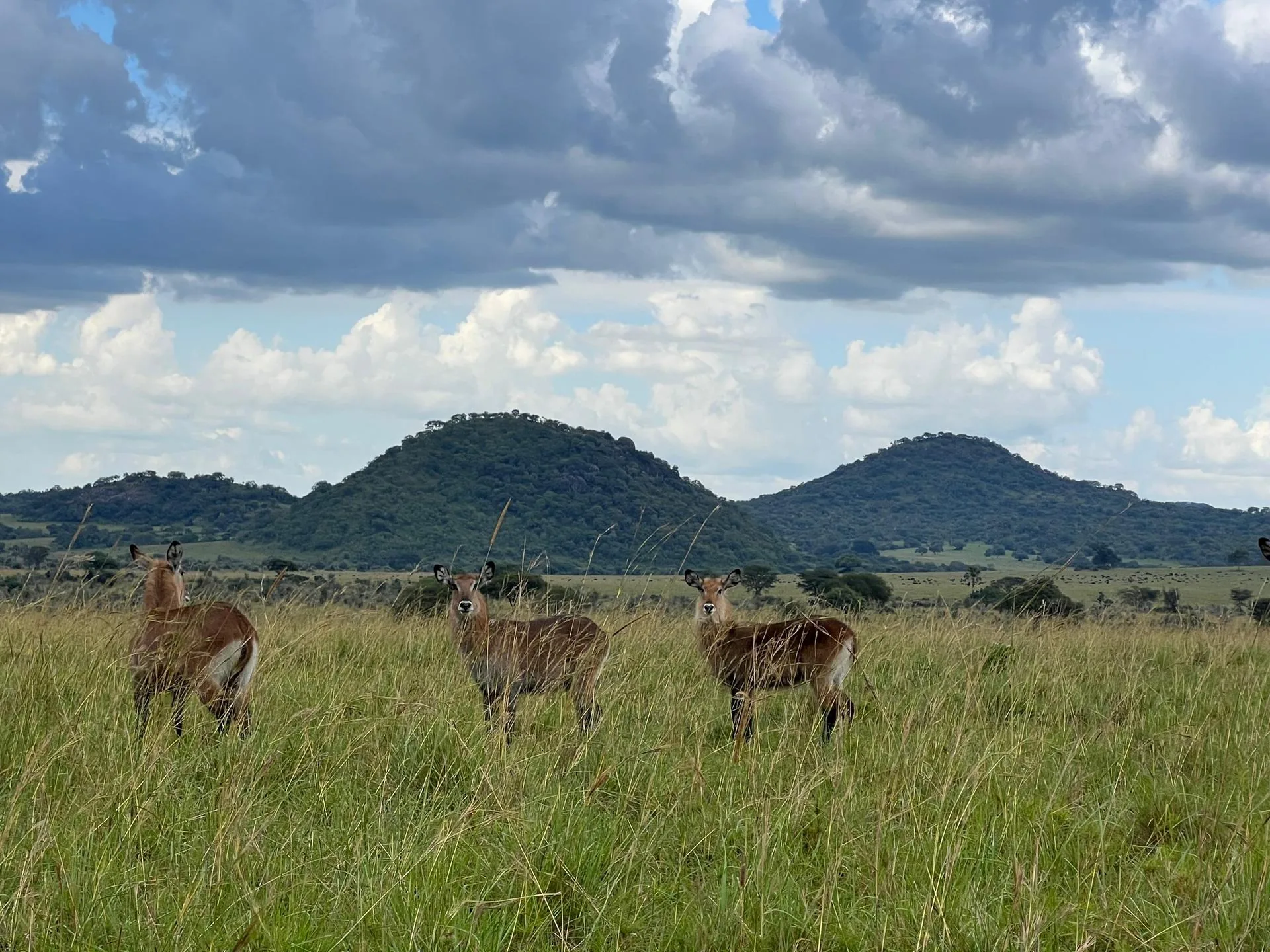
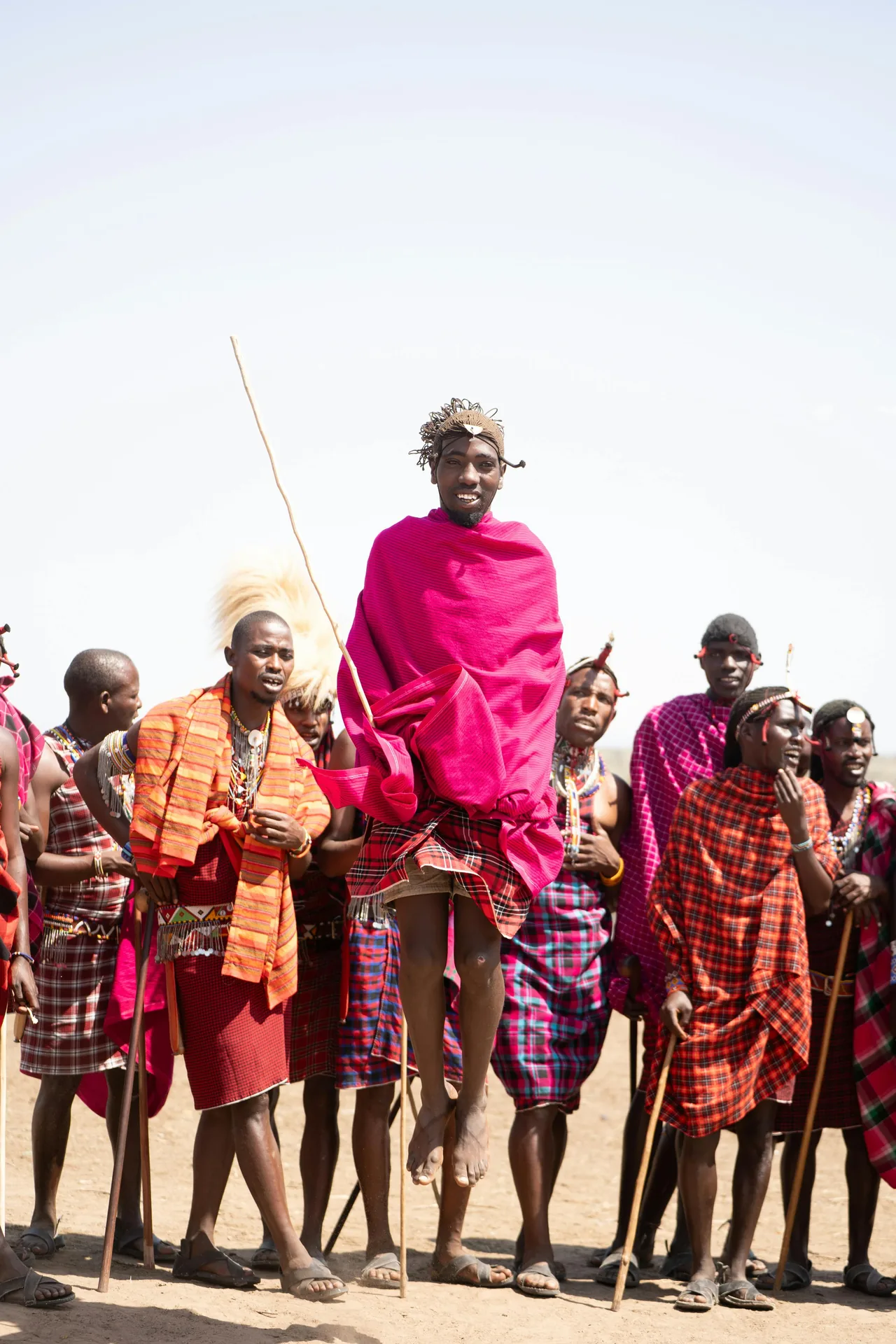
The valley scale is the first reason Kidepo feels different.Wildlife viewing feels wilder when the horizon stays open.A locally guided cultural visit adds a human layer to the northern route when approached with care.
A route that feels right
Do not make Kidepo prove itself in a hurry.
Give the road respect: If you travel by vehicle, the journey north needs clean overnight planning and realistic drive times.
Protect early and late drives: Light, temperature and wildlife movement make these windows the emotional core of the stay.
Let Narus lead the wildlife story: This valley usually gives the best chance of a rewarding game-drive rhythm.
Add culture carefully: Karamoja context should feel guided, respectful and unforced.
Planning notes
The practical details decide whether Kidepo feels epic or exhausting.
Access: Road routes suit travelers with time; domestic flights can make Kidepo realistic on a tighter premium safari.
Conditions: Expect sun, dust, wide temperature shifts and a more remote feel than the southern parks.
Accommodation: Options are fewer, so early planning matters more than in easier circuits.
Wildlife viewing here is not only about a species list. It is about where water remains, how long you stay and how much space you allow between movement and stillness.
01 / Narus
The wildlife heart.
Narus Valley is usually the most reliable game-drive area, with buffalo, giraffe, elephants, antelope, predators and strong open-country atmosphere.
02 / Kidepo
The landscape signature.
The wider Kidepo Valley brings sand rivers, palms, hills and the sense of being far from the familiar safari path.
03 / Karamoja
The human setting.
Culture around the park should be approached through local guidance, consent and enough time for the visit to feel dignified.
04 / North
The route is part of it.
Kidepo works best when the journey north is designed as a meaningful safari chapter, not dead time between parks.
Narus Valley game drives
Narus is Kidepo's wildlife heart because water keeps drawing life back into the valley.
Both the Narus and Kidepo rivers are seasonal. As the landscape dries, remaining pools in Narus become important gathering points, so the valley often carries the park's most dependable game-drive rhythm.
Early morning and late afternoon are the strongest windows for cooler air, softer light and movement across the grasslands. Buffalo, elephants, giraffes, zebras, hartebeest and other antelope may share the open country, while lions and other predators remain wild possibilities rather than scheduled sightings.
A private guide can slow down around water, rocky viewpoints, fresh tracks and bird activity instead of racing through a fixed loop. That patience is what makes a Kidepo drive feel spacious rather than empty.
Narus rewards quiet driving, good light and enough time to let wildlife cross the landscape naturally.
Kidepo Valley and Kanangorok
The northern valley is the scenic counterpoint to Narus.
The Kidepo River is seasonal and can become a broad sand channel in dry periods. Borassus palms, distant ranges and exposed river country make this side of the park feel spare, bright and close to the borderlands.
Kanangorok Hot Springs lie in the northern sector. The journey is valued as much for the changing landscape as for the springs themselves and current road, weather and ranger guidance should shape whether the outing is practical.
How to include it well
Use a full outing, not a hurried detour.
Protect time: The Kidepo Valley deserves a separate scenic window from the main Narus game drives.
Ask locally: Track and weather conditions can change, so confirm the northern route with park teams and your guide.
Carry water and shade: The valley can feel hotter and more exposed than the greener Narus sector.
Keep expectations honest: The reward is landscape, remoteness and northern birdlife; wildlife density can feel different from Narus.
Access and Karamoja context
The best Kidepo plan is honest about the journey and careful with the people who give the north its meaning.
Distance is not a flaw to hide. It is the planning fact that decides whether the safari feels expansive or tiring.
01 / Road
Make travel days part of the route.
The direct northern approach is a full travel day. Breaking the journey around Gulu or Kitgum can protect energy, while a longer Karamoja route needs even more deliberate pacing.
02 / Air
Flying protects short premium itineraries.
Scheduled or chartered flights can reduce road fatigue, but air schedules, baggage limits, lodge transfers and park logistics should be confirmed before the route is sold as final.
03 / Karamoja
Community time should be community-led.
Visits should use local hosts, clear consent and fair arrangements. Ask before photographing people and leave room for conversation rather than treating homes, dress or dance as safari props.
04 / Morungole
The mountain is a separate commitment.
Mount Morungole and Ik community visits require dedicated time, fitness, local coordination and respectful expectations. They should not be squeezed between two game drives.
A living conservation story
Rhinos returned to Kidepo in March 2026 after more than four decades.
Uganda Wildlife Authority began a phased southern white rhino reintroduction in March 2026. The first animals were moved from Ziwa into a secure sanctuary in Kidepo, with ranger and veterinary monitoring supporting their adaptation.
This is a conservation milestone, not a promise that every safari now includes rhino viewing. Visitor access, operating rules and the next stages of the programme must be confirmed with UWA when the itinerary is planned.
Wildlife worth slowing down for
Kidepo's identity is broader than a Big Five checklist.
The park's open country supports elephants, buffalo, giraffes, zebras, hartebeest, lions and a wide range of smaller mammals. Kidepo is also Uganda's signature landscape for wild ostriches, with secretary birds, raptors and dry-country species adding real value for birders.
Species lists describe possibility, not certainty. Season, water, fire, weather and movement decide each drive, which is why two or three nights reveal far more than one rushed pass through Narus.
Where you sleep changes the north
The right Kidepo stay balances remoteness, comfort and how much road you want to absorb.
Because the park is remote and lodge choice is limited, accommodation is part of the strategy. The best option depends on budget, comfort expectations and whether you are driving or flying.
Standard
Basic remote-park value
UWA Bandas or simple Narus-area options suit travelers who want the park first and are comfortable with a more stripped-back overnight.
Mid-range
Comfort in the wilderness
Kidepo Savannah Lodge is a strong fit when you want better comfort while keeping the remote safari character.
Luxury
Premium Kidepo atmosphere
Apoka Safari Lodge suits travelers who want Kidepo's strongest luxury setting, service and wilderness finish.
Early planning matters because availability is tighter here and the best lodge choice should match the route, not simply the room category.
Where the story can go next
Kidepo is a destination for deliberate routes, not crowded maps.
Use it as the emotional anchor of a northern safari, a flight-supported wilderness escape or the remote chapter in a longer Uganda journey.
Northern Uganda circuit
Build Kidepo with Murchison Falls, Ziwa and carefully paced road days for a fuller northern route.
Karamoja cultural context
Add respectful community time when you want the journey to carry human meaning alongside landscapes and wildlife.
Flight-supported safari
For luxury safaris or tighter calendars, flying can protect comfort while keeping Kidepo's remote feeling intact.
Related planning
Kidepo routes for travelers who want the north to matter
Compare focused Kidepo planning with longer Uganda safari routes that give the remote north enough breathing room.
Tell us whether Kidepo should feel rugged, luxurious, cultural, photographic or simply far from everything.
We will shape the route around road time, flight support, lodge style, Narus game drives, Karamoja context and the level of remoteness you actually want.