Kyambura Gorge
Kyambura is the hidden forest chapter of Queen Elizabeth National Park.
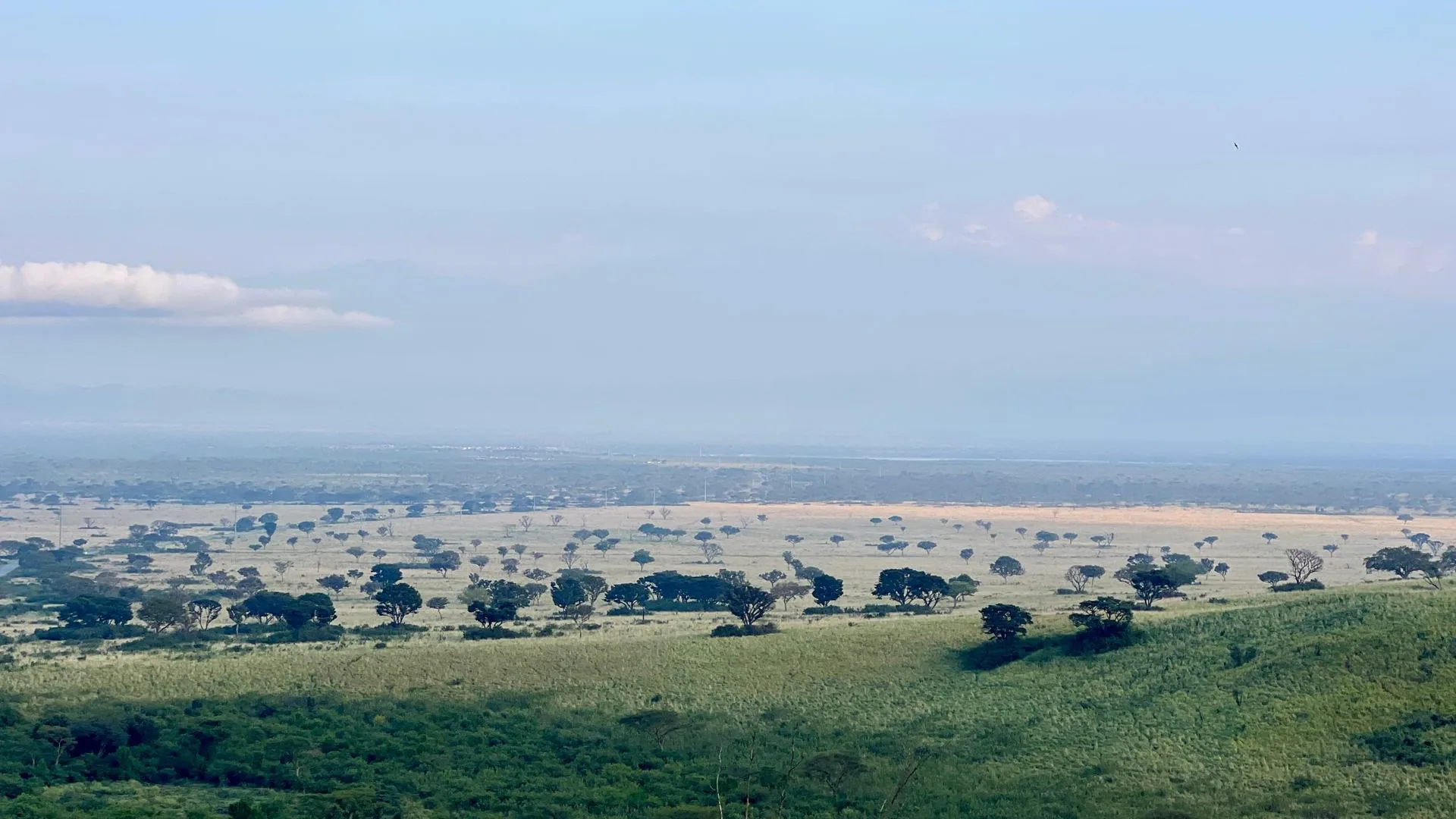
Kyambura Gorge cuts through the north-eastern side of Queen Elizabeth, turning open savannah into a sudden riverine forest. From above, the landscape feels wide, dry and grassy. Step down into the gorge and the mood changes quickly: cooler air, thicker vegetation, the Kyambura River, bird calls, primate movement and the feeling of an underground forest running below the plains.
The wider Kyambura Wildlife Reserve helps buffer Queen Elizabeth and adds a different habitat to the protected area. The reserve is surrounded by savannah, villages and farmland, which is why the gorge matters so much: it holds water, forest cover and a quieter refuge for wildlife in a landscape that otherwise feels open.
Chimpanzee tracking is the main reason many travelers include Kyambura. The experience is more intimate and less predictable than Kibale and that honesty is important. The chimpanzees here live in a smaller, more isolated forest setting, so the search can feel like real tracking rather than a guaranteed sighting. Even when the chimps move deep or stay quiet, the gorge still gives you forest interpretation, scenery, birds and smaller primates inside the Queen Elizabeth route.
Look beyond the chimpanzees as well. Kyambura can bring red-tailed monkeys, black-and-white colobus, baboons, vervet monkeys, forest-edge birdlife, raptors, bee-eaters and the kind of close forest atmosphere that contrasts beautifully with Kasenyi plains and the Kazinga Channel. It is one of the best ways to make a Queen Elizabeth stay feel layered instead of only savannah and boat safari.
How to include Kyambura well.
- Permit first: Chimpanzee tracking should be checked and confirmed before the itinerary is treated as final.
- Expectation: Sightings are possible, but not guaranteed; the gorge walk, forest sounds, birds and guide interpretation are part of the value.
- Route fit: Kyambura works well after Kasenyi and Kazinga or as a primate bridge between Kibale, Queen Elizabeth and Bwindi.
- Who it suits: Travelers who want Queen Elizabeth to feel richer than a quick game drive and boat cruise.
- Planning caution: Use Kyambura when it supports the route and pacing, not only because it fills a checklist.