
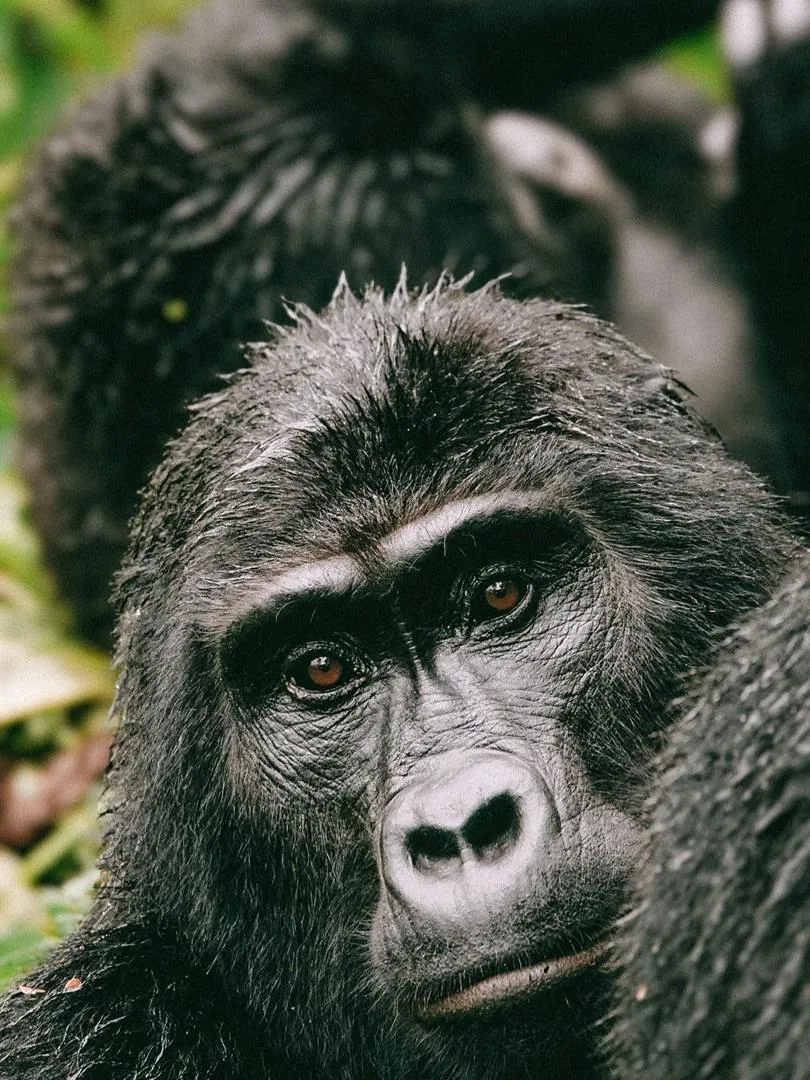
Mountain gorilla forest in the Buhoma sector of Bwindi

Buhoma Sector / Bwindi

Buhoma is the classic northern gateway to Bwindi gorilla trekking.

Buhoma is the sector many travelers imagine when they first picture Bwindi: mature rainforest, established lodge choices, strong conservation history, and clean access from Queen Elizabeth National Park, Ishasha, and the western Uganda safari circuit.

Why Buhoma matters

The original gorilla trekking story in Uganda begins here.

Buhoma sits on the northern edge of Bwindi Impenetrable National Park and is widely known as the place where Uganda's first habituated gorilla tourism experience took shape. It has a softer arrival than some southern sectors, especially when the route comes from Queen Elizabeth or Ishasha, and it gives travelers a strong forest atmosphere without feeling remote in a difficult way.

The sector works especially well for travelers who want a classic Bwindi gorilla safari with good lodge depth, community experiences, forest walks, and smoother road connections before or after the trek.

The best Buhoma itinerary is not built around lodge fame alone. It starts with permit reality, then checks whether the northern route, lodge location, briefing access, and post-trek recovery all support the kind of safari you want.

Gorilla families

Commonly tracked Buhoma gorilla families.

Family composition and daily allocation can change, so the final group is confirmed by Uganda Wildlife Authority staff during briefing. Buhoma is strongly associated with long-standing families and a deep history of habituated gorilla trekking.

Mubare

The historical family.

Mubare is often described as Uganda's first habituated gorilla group for tourism. For many travelers, that history gives the family a symbolic weight beyond the sighting itself.

Habinyanja

A large forest story.

Habinyanja is associated with bigger group dynamics, forest movement, and the kind of social complexity that makes gorilla trekking feel personal rather than staged.

Rushegura

Often a gentler Buhoma option.

Rushegura has long been linked with Buhoma-area trekking and is often discussed by guides when travelers ask for a classic but not overly dramatic forest morning.

Katwe

A newer layer in the north.

Katwe added more permit flexibility to the Buhoma sector and helps spread trekking demand across the northern side of Bwindi.

Terrain and nature

Buhoma feels lower, greener, and deeply forested.

The sector sits in a lush northern forest zone where ridges, river valleys, old trees, tangled undergrowth, butterflies, and forest birds make the walk feel alive before the gorillas appear. The altitude is generally lower than Ruhija or Nkuringo, but that does not make every trek easy. Gorilla location, weather, mud, and fresh feeding signs decide the real difficulty.

  • Vegetation: montane and lowland forest transition, vines, ferns, dense shrubs, and large old trees.
  • Birdlife: strong forest birding, with turacos, trogons, greenbuls, and Albertine Rift species possible for keen birders.
  • Forest walks: the Munyanga River Trail, Waterfall Trail, Rushura Hill Trail, Muzabajiro Loop, and River Ivi Trail can add meaning before or after the gorilla trek.
  • Other wildlife: black-and-white colobus, red-tailed monkeys, forest duikers, forest elephants in rare cases, and many butterflies.

History and community

Buhoma carries the conservation memory of Bwindi.

Buhoma's importance is not only practical. The sector helped define how gorilla tourism could support conservation, ranger work, local employment, guiding, porter income, and community-based tourism around Bwindi. The nearby village, craft stops, guided community walks, and Batwa context add a human layer to the forest story.

For travelers who want the gorilla trek to feel rooted in place rather than dropped into an itinerary, Buhoma is one of the clearest sectors for understanding how conservation and local livelihoods meet.

Getting there

Buhoma is the natural northern entrance when the safari comes through Queen Elizabeth.

Most private safaris reach Buhoma by road from Queen Elizabeth National Park, Ishasha, Kihihi, or Butogota. From Kampala, the practical northern approach usually runs through Mbarara, Ntungamo, Rukungiri, Kihihi, and Butogota before the final forest road into Buhoma. That makes the sector especially useful when the route combines savannah wildlife, tree-climbing lion country, and gorilla trekking without forcing a southern Bwindi detour.

For fly-in safaris, Kihihi Airstrip is often the practical access point before a private road transfer to Buhoma. The road is still part of the experience, so we plan arrival timing, lodge location, and the next morning's briefing with enough margin.

Beyond gorillas

Buhoma can become a fuller forest stay, not just one trekking morning.

With enough time, Buhoma can include guided forest walks, waterfall trails, birding, community visits, craft stops, and thoughtful Batwa and Bakiga context. These additions help travelers understand the forest edge, not only the famous gorilla hour.

It also works well as a softer landing after Queen Elizabeth or Ishasha. Instead of rushing straight from savannah to trekking, the right Buhoma plan gives the forest an evening to settle in and leaves room for a lighter activity if the permit day has been physically demanding.

Forest trails and community

Use the extra day for Buhoma's quieter details.

The safest additions from Buhoma are guided walks and community-led experiences that can be confirmed locally around weather, guide availability, and the energy left after trekking.

River and waterfall walks

Munyanga River and the Waterfall Trail.

The Munyanga River Trail is a short forest-edge walk below the Buhoma trailhead, useful for birds, primates, and a gentler introduction to the rainforest. The Waterfall Trail goes deeper under ferns, orchids, and old forest to reach a sequence of waterfalls.

Ridges and viewpoints

Rushura Hill, Muzabajiro Loop, and River Ivi.

These walks give Buhoma more range than a single gorilla morning. Rushura and Muzabajiro are chosen for views when conditions are clear, while the River Ivi Trail follows an old forest road toward the southern side near Nkuringo.

Birding and culture

Slow mornings at the forest edge.

Buhoma is a rewarding birding base, especially for travelers who enjoy patient forest-edge walks. Community walks and Batwa-context visits should be arranged respectfully with local guides so the story feels human, current, and not staged.

Briefing and trekking rhythm

The Buhoma morning should feel organized, close, and calm.

Gorilla trekking begins with briefing before travelers enter the forest with Uganda Wildlife Authority teams, trackers, and guides. Final family allocation is confirmed locally, so a good plan focuses on being rested, properly dressed, and close enough to avoid a stressful start.

Buhoma often suits guests who want the emotional build-up of the forest without adding unnecessary transfer pressure. That is why we protect the night before trekking, breakfast timing, porter support, and lodge-to-briefing logistics.

Northern route identity

Buhoma is strongest when the whole western route supports it.

The sector is not only a permit location. It is a routing decision. Buhoma can make a safari feel smoother when the trip includes Queen Elizabeth, Ishasha, Kihihi, or a longer western Uganda journey with fewer backtracks.

If the rest of the safari sits around Lake Bunyonyi, Kisoro, Mgahinga, or southern Bwindi, we compare the southern sectors honestly before recommending Buhoma.

Where to stay

Buhoma is strong for lodge choice, but sector fit still comes first.

Because Buhoma has long been established, it offers a useful spread of simple, mid-range, and high-comfort lodges. The best choice depends on permit confirmation, drive direction, privacy, views, and how close you want to be to the briefing point.

Standard

Practical and community-based.

Simple stays can work well when the priority is access, value, and a grounded local feel rather than polish.

Mid-range

Comfort with forest access.

Mid-range options suit travelers who want a reliable room, warm service, and an easy morning without paying for full luxury.

Luxury

Classic premium Bwindi mood.

Buhoma is one of the strongest sectors for guests who want refined lodge service and a calmer emotional build-up to the trek.

How we plan it

Buhoma planning starts with permits, then checks whether the northern route still wins.

We first check your dates, number of travelers, comfort level, gorilla permit availability, and whether your safari is coming from Queen Elizabeth, Ishasha, Kihihi, Kampala, or a wider western Uganda route.

Then we compare Buhoma against Ruhija, Rushaga, and Nkuringo so the sector is chosen for a real reason: classic history, lodge depth, northern access, softer road flow, or better overall safari pacing.

  • For first-time trekkers: Buhoma can feel reassuring because the tourism base is established and easy to understand.
  • For luxury travelers: lodge choice can be one of Buhoma's strongest advantages when permits match.
  • For route flow: we check whether Queen Elizabeth, Ishasha, or Kihihi makes Buhoma the cleanest Bwindi entry.

What to pack

Buhoma may feel lower, but it is still a rainforest trek.

Bring broken-in boots, long trousers, rain protection, light layers, garden gloves, water, snacks, insect repellent, and a small day pack. A porter is still recommended because trail conditions can change quickly and porter support keeps direct value in the local community.

Why choose Buhoma

Choose Buhoma when the route needs elegance and clean northern access.

  • It pairs naturally with Queen Elizabeth National Park and Ishasha.
  • It has long-established lodge and community tourism infrastructure.
  • It suits travelers who want a classic Bwindi gorilla safari rather than a harder mountain-style approach.
  • It can feel more graceful for luxury travelers, older guests, honeymooners, and first-time gorilla trekkers.

When to think twice

Buhoma is not automatically the best sector for every permit.

If permits are stronger in Rushaga, Nkuringo, or Ruhija for your dates, forcing Buhoma can create extra driving or compromise the route. It may also be less convenient if your safari is built around Lake Bunyonyi, Mgahinga, Kisoro, or southern Bwindi.

If Buhoma has the lodge you love but another sector has the permit or route logic you need, we will explain the trade-off clearly before the safari is confirmed.

Related safari routes

Routes that make Buhoma easier to plan.

Use Buhoma as the northern Bwindi anchor, then choose the safari route that gives the trek enough time, access, and recovery.

Buhoma questions

Quick answers before you choose this sector.

Is Buhoma Sector good for gorilla trekking?

Yes. Buhoma is one of Bwindi's classic gorilla trekking sectors, known for strong history, established lodge choices, forest atmosphere, and useful northern access.

Which routes pair well with Buhoma?

Buhoma pairs especially well with Queen Elizabeth National Park, Ishasha, Kihihi Airstrip, and wider western Uganda safari routes when permits and lodge availability line up.

Is Buhoma easier than Nkuringo or Ruhija?

Buhoma often feels lower and more accessible than highland sectors, but no gorilla trek is guaranteed easy. Difficulty depends on gorilla movement, mud, weather, and the assigned route.

Does Buhoma have good lodge choices?

Yes. Buhoma is one of Bwindi's strongest sectors for established lodge choice, from simpler community-minded stays to refined forest lodges.

Ask us if Buhoma is the right classic sector for your Bwindi safari.

We compare Buhoma against the other Bwindi sectors, then match permits with lodge choice, northern access, transfer timing, forest walks, and the recovery rhythm your safari needs.