Practical reading for the choices that shape a private safari: when to trek, where to sleep, how long to drive and how to leave enough room for the country to breathe.
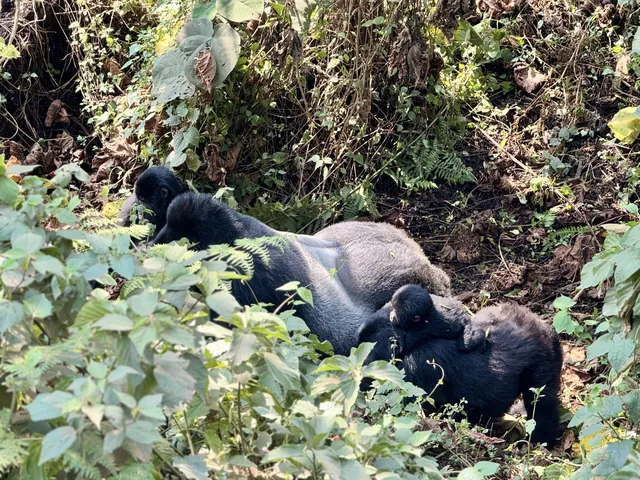
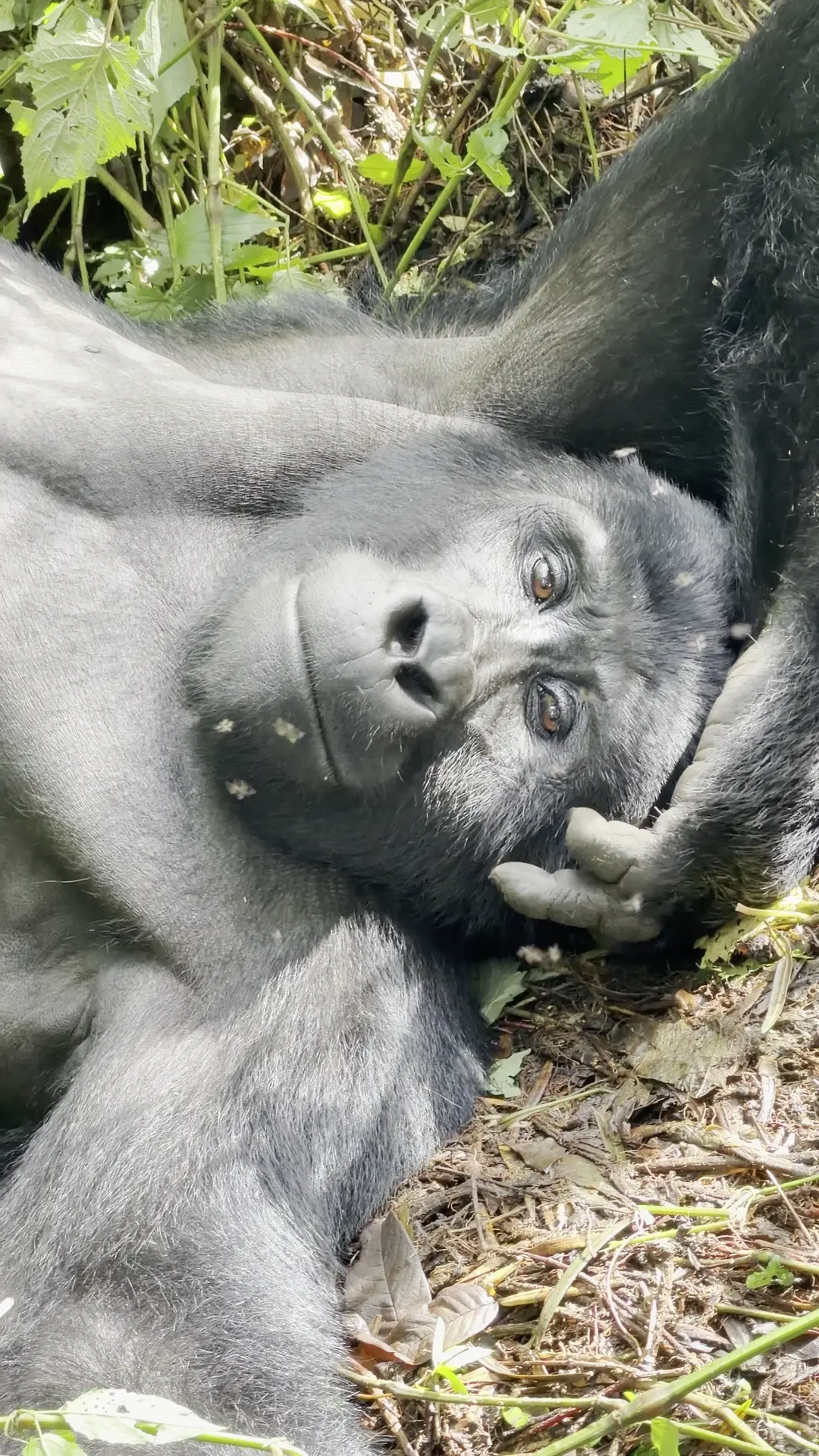
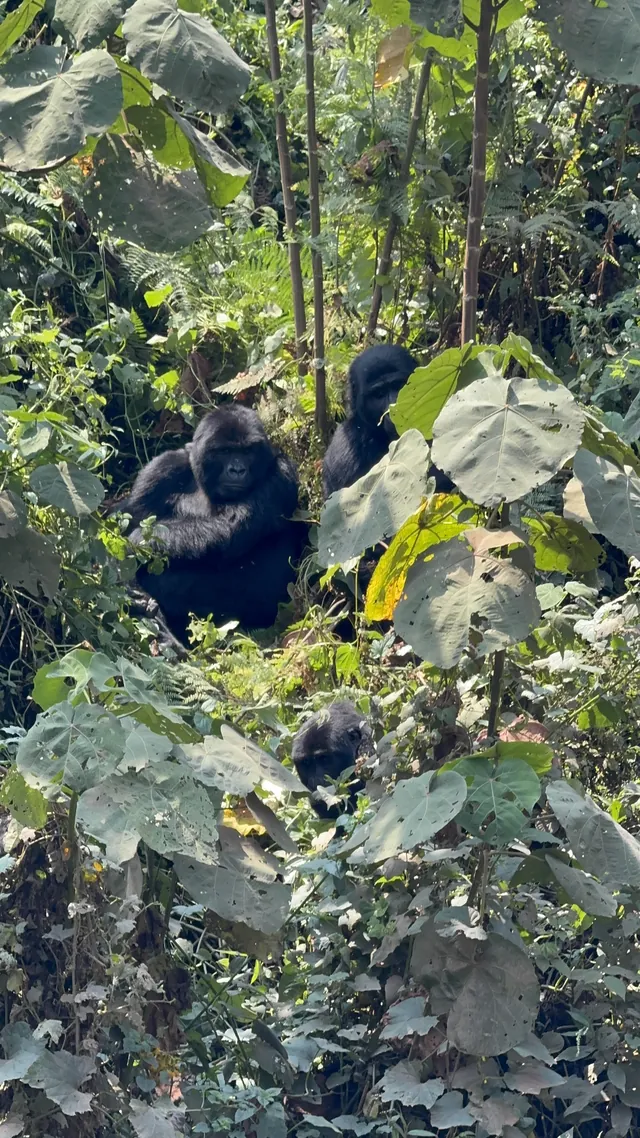
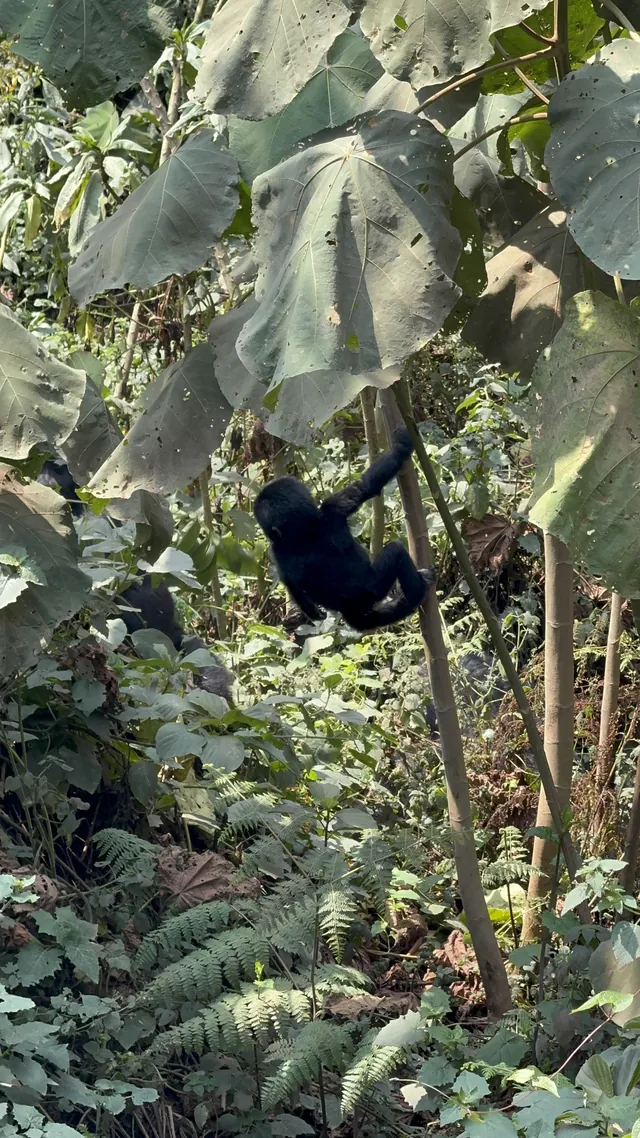
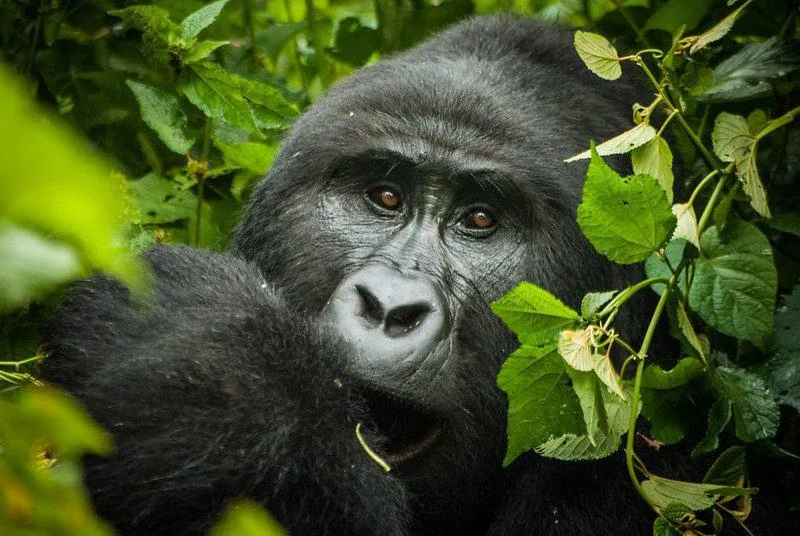
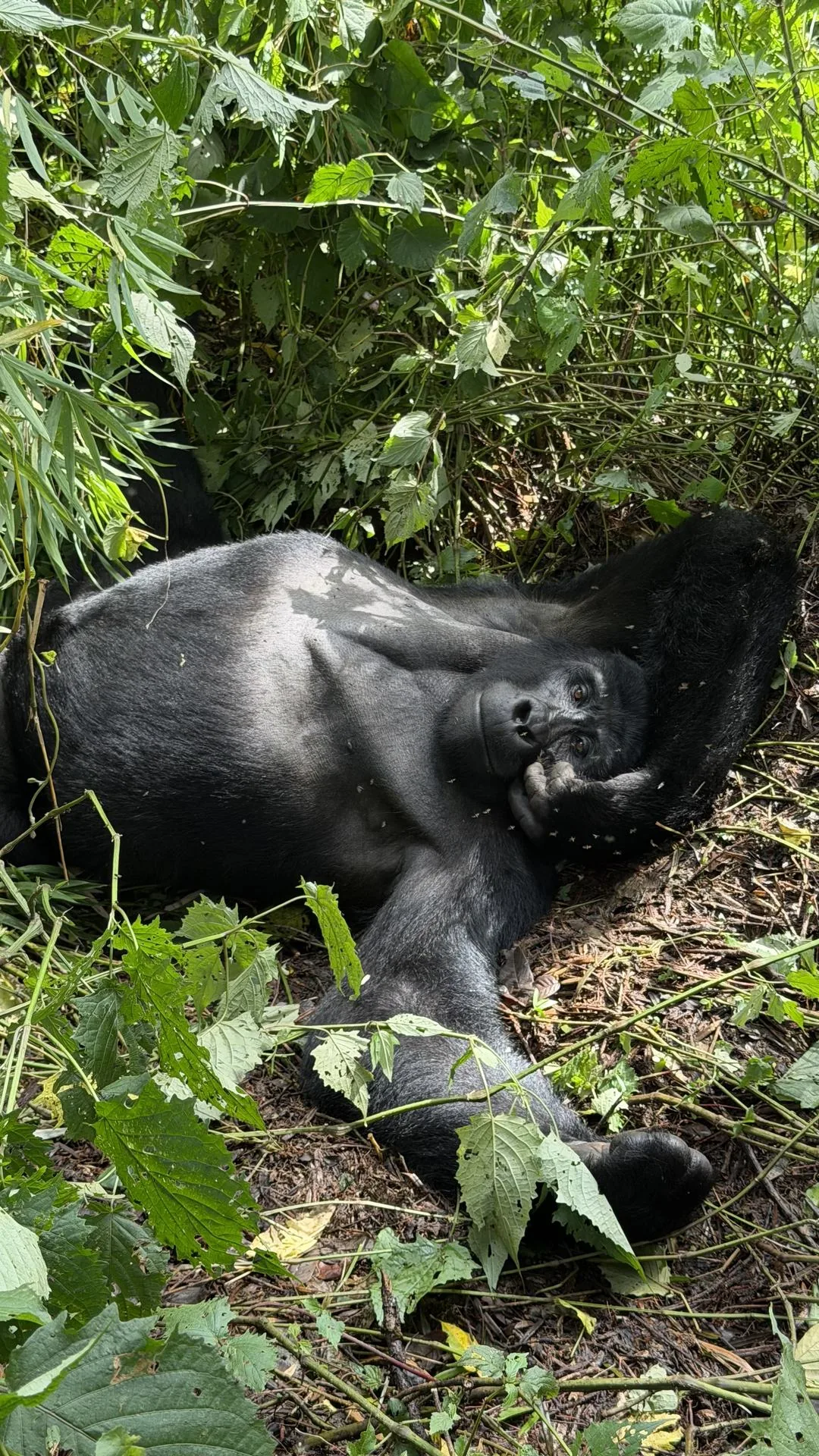
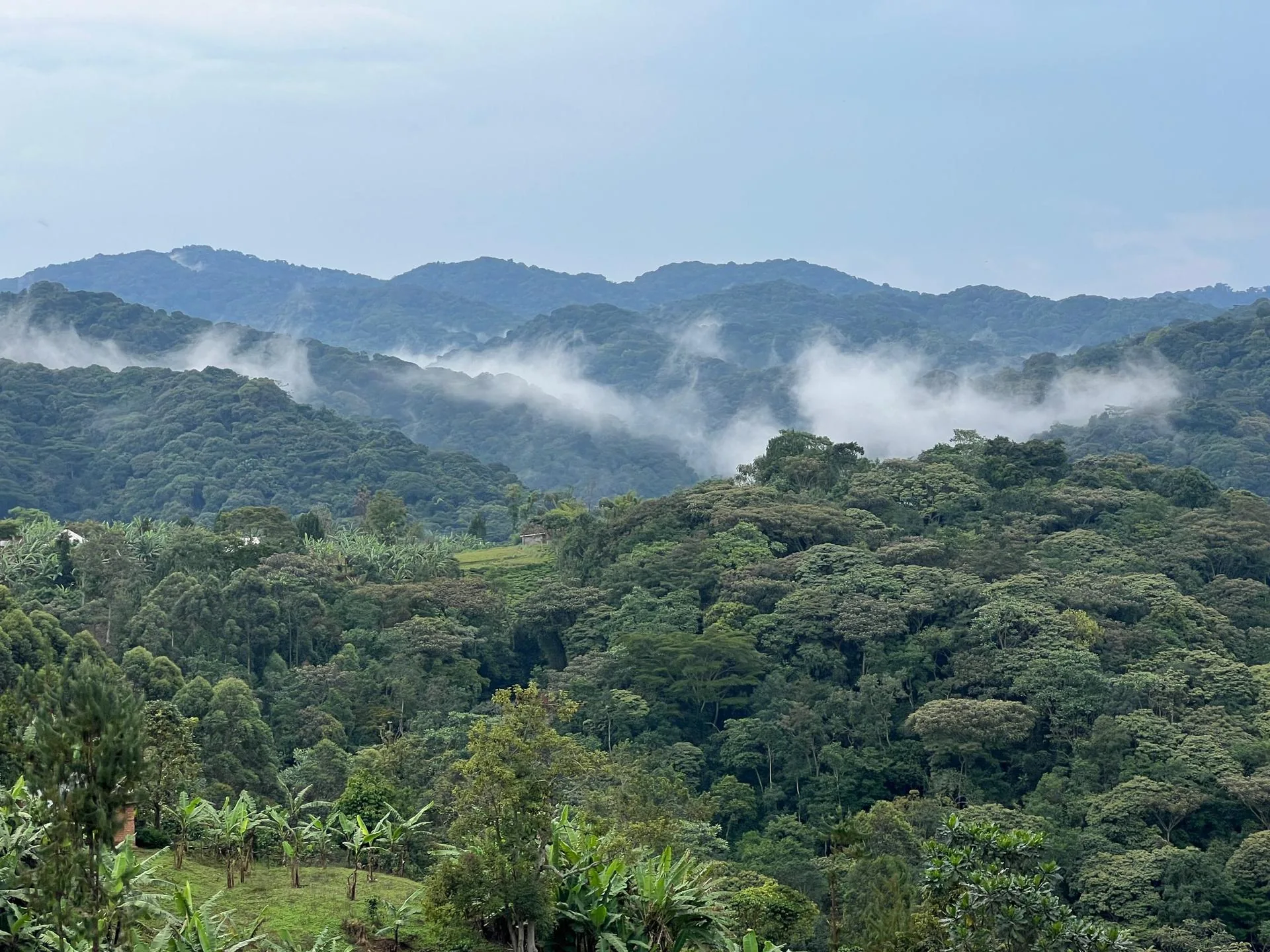
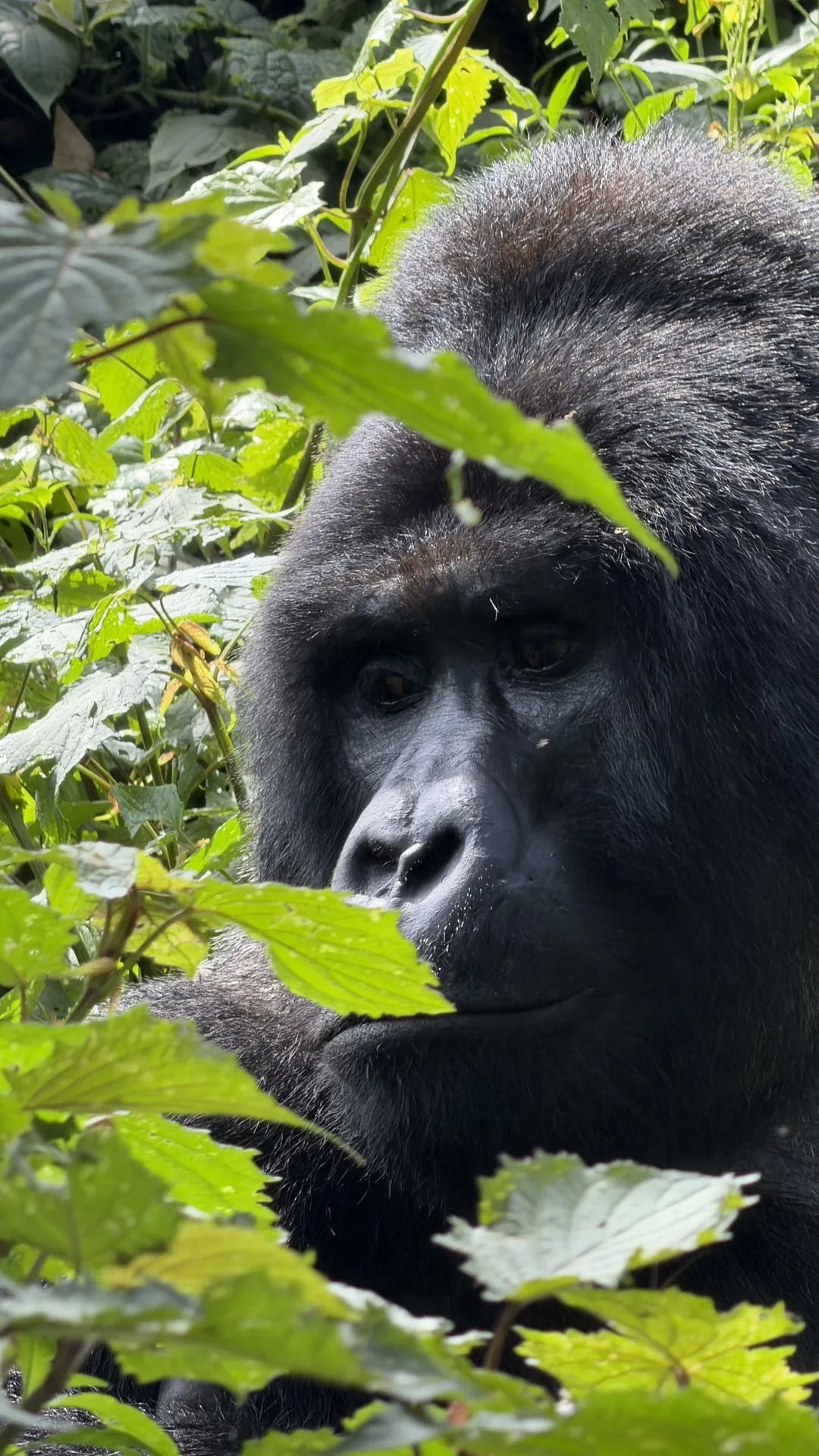
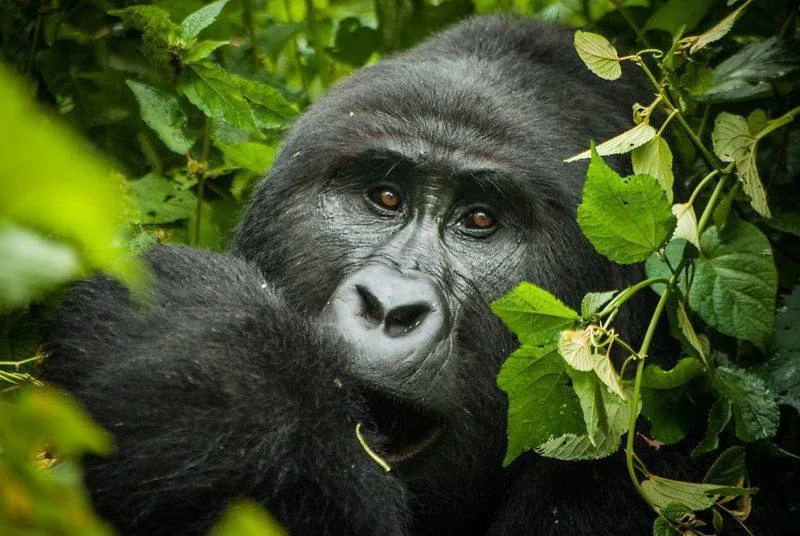
The gorilla day usually begins before the forest does. There is a cool road, a quiet vehicle, boots being checked twice and then the briefing point where everyone suddenly becomes more serious. Online, gorilla trekking can sound simple: walk, find, watch. In Uganda, the forest has its own pace. Some families are close. Others ask you to climb, wait, breathe and let the guide read the slope before the moment arrives.
The best way to prepare is not to focus on speed. Focus on comfort, footwear, water, quiet confidence and a realistic pace. Good rain protection, light layers, a small daypack and the support of a porter can make a much bigger difference than trying to over-train for the forest. If you are narrowing down where you will trek, compare the Buhoma, Ruhija, Rushaga and Nkuringo sector guides before you lock in a permit and lodge.
What separates a good trek from a rushed one
The permit gets you through the gate; the rest is decided by timing. Bwindi's sectors do not all feel the same and Mgahinga has its own quieter mountain mood when permit availability and routing align. We look closely at where you sleep, how far you drive before the briefing, how early you wake, whether the group needs a gentler pace and what kind of day should follow the trek.
The details worth deciding before you book
Ask where your permit is likely to be secured, how close your lodge is to the briefing point, whether a porter should be arranged and how photography will be handled during the one hour with the gorillas. For families, older travelers, honeymooners and guests who value privacy, the quietest luxury is often a day with fewer rough edges.
Wear broken-in hiking shoes with grip.
Carry a light waterproof jacket even in drier months.
Use a porter if you want a steadier, less tiring forest day.
Expect mud, roots, slopes, narrow paths and uneven footing.
Keep the day after the trek gentle if the route allows it.
Bring a camera, but plan to be fully present for the hour with the gorillas.
Travel Seasons
Best Time to Visit Uganda for Safari
The best month is not chosen from a calendar alone. It is felt in the road surface after rain, the softness of morning light over a crater lake, the number of vehicles near a sighting and whether a forest trail gives your boots firm ground or asks for patience. Uganda can reward every season, but each season asks for a slightly different kind of safari.
For mixed itineraries that combine primates and wildlife, we usually start with permit availability, then work outward into parks, lodge nights and transfer days. The aim is not to chase one perfect month. It is to choose a route that behaves well in the month you have.
There is no single best month for every traveler
Drier periods are often attractive for gorilla trekking, long drives and classic savannah viewing. Greener months can bring dramatic landscapes, fewer vehicles in some places, stronger birding interest and beautiful photographic light. The tradeoff is that forest paths and rural roads may demand more patience and some drives need more margin.
Route order matters as much as the calendar
A private Uganda safari is strongest when the days are honest about distance. Entebbe arrival timing, Murchison Falls road time, Kibale chimpanzee tracking, Queen Elizabeth or Ishasha wildlife viewing, Bwindi or Mgahinga gorilla trekking, Lake Mburo, Kidepo and optional domestic flights all change the feel of the journey. The question is not only when to come, but how much road and activity each day should carry.
Drier periods can be easier for trekking and overland routing.
Green-season travel can be beautiful, quieter and softer in light.
Permit timing, lodge space and route order matter just as much as weather.
Longer itineraries give more flexibility if one region is wetter than expected.
Domestic flights can protect comfort on longer or more remote routes.
Kidepo, Bwindi, Kibale, Murchison and Queen Elizabeth each reward different pacing.
Packing Tips
What to Pack for a Uganda Safari
A Uganda bag has to move between worlds. One morning may start cool in the highlands, turn dusty on a savannah track, end with boat spray on your sleeves, then ask for a clean layer at dinner. The point is not to pack heavily. It is to pack so the day never becomes about the thing you forgot.
Neutral colors, light waterproofs, sun protection and a few warmer evening layers will cover most safari routes comfortably. If your trip includes gorilla trekking, gloves and long trousers are also worth bringing for thicker vegetation. If your itinerary uses domestic flights, soft-sided luggage and realistic weight discipline can make the journey feel easier.
Pack for transitions, not just activities
On transfer days, the small bag matters more than the large one. Keep documents, medication, a change of clothes, chargers and camera essentials close while you move between Entebbe, forest lodges, savannah tracks, boat landings, highland roads and lodge terraces. It saves fuss when arrival times shift or the main bag is packed deep in the vehicle.
Comfort is also a planning decision
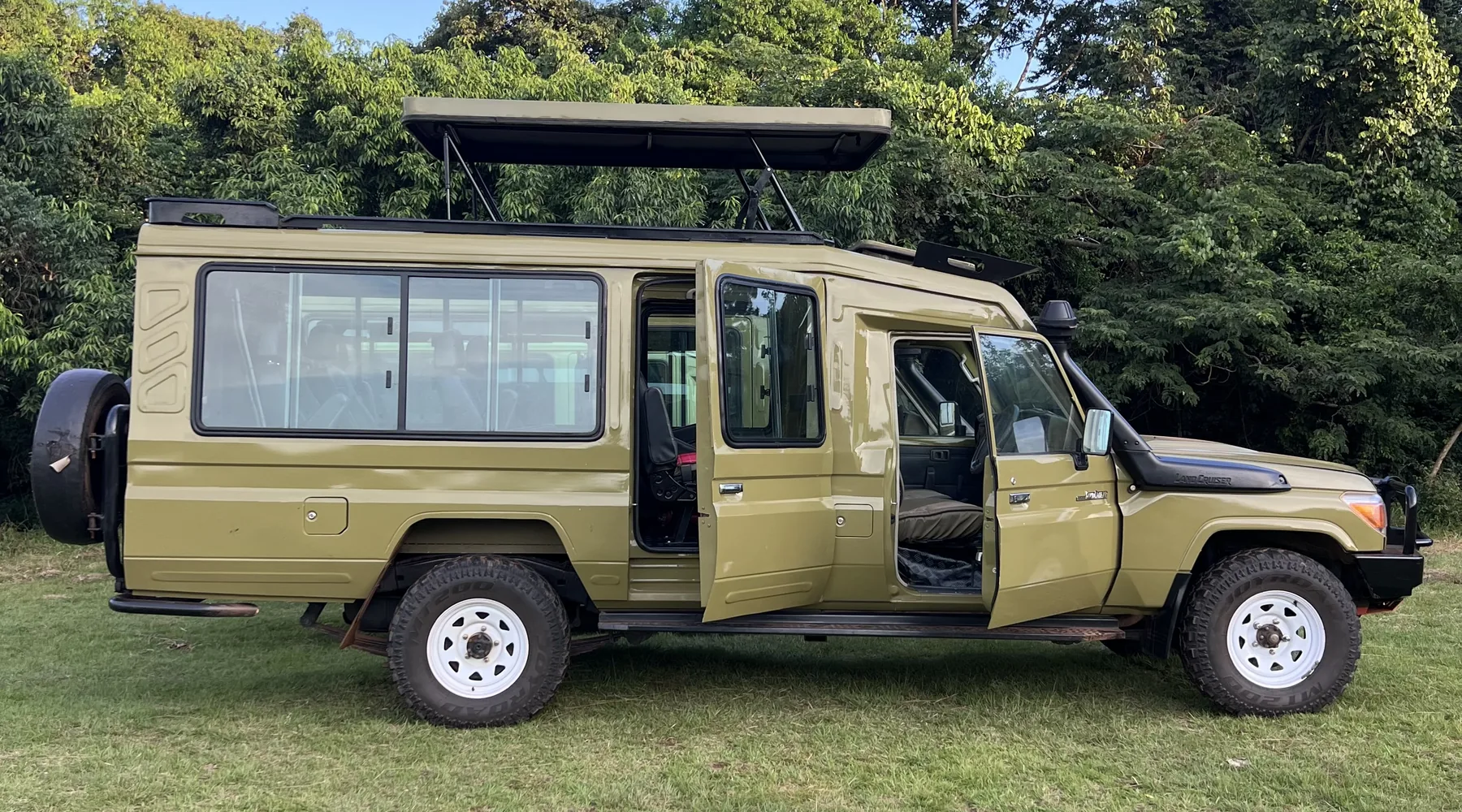
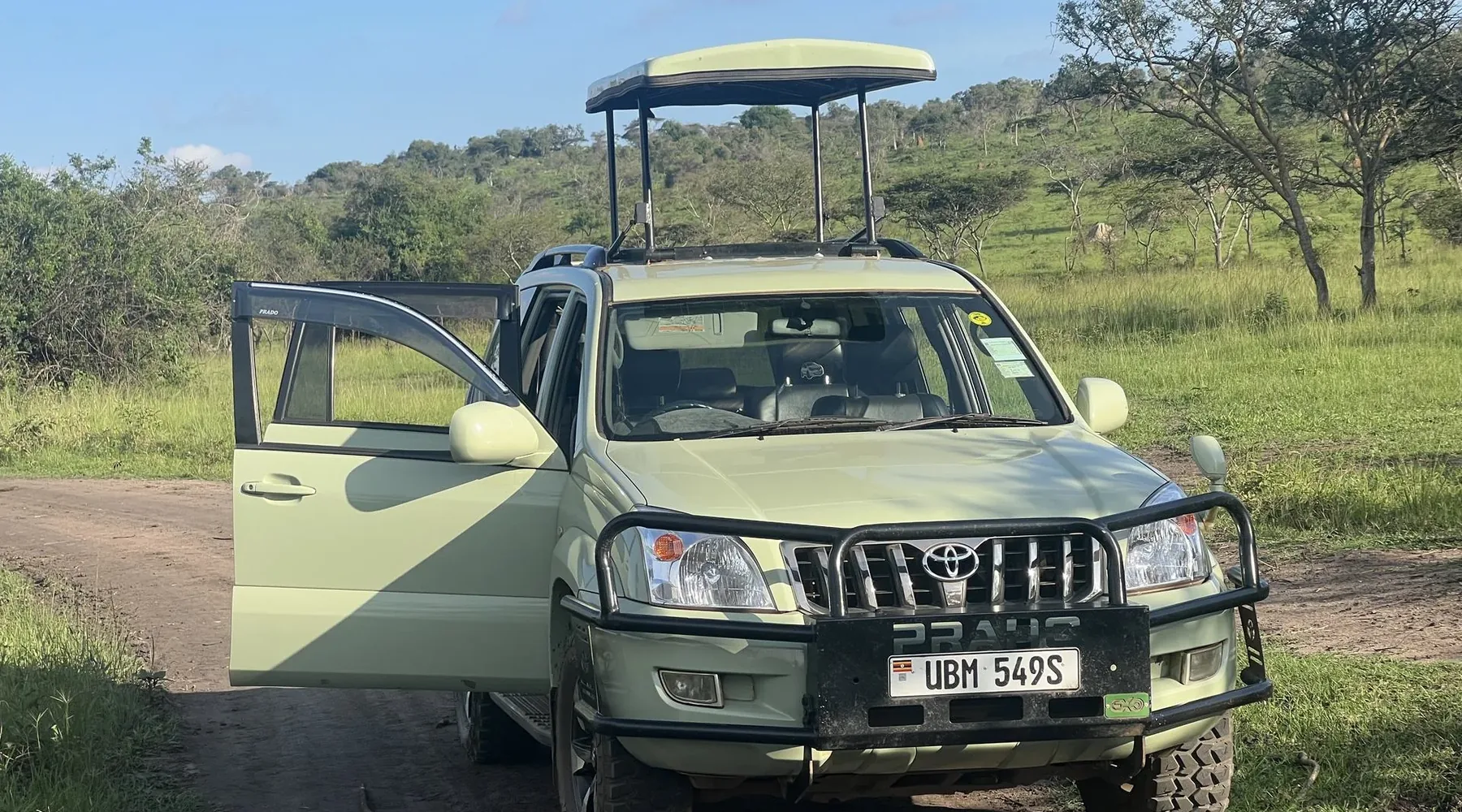
Comfort is not only the lodge you choose. It is the space in the vehicle, enough water in the car, stops that are not rushed, a guide who knows when to pause, realistic drive days, dietary notes shared early and knowing which items become difficult to replace once you are away from Entebbe or Kampala.
Light layers for warm afternoons and cooler mornings.
A waterproof jacket and quick-dry clothing.
Sun hat, sunscreen and sunglasses for game drives.
Long trousers and gloves for trekking days.
Soft-sided luggage if your route includes domestic flights.
Spare batteries, memory cards, chargers and a power bank for photography.
Personal medication, travel insurance details and passport copies kept accessible.
Every trek is different, which is why thoughtful planning matters. The right permit location, lodge, pacing and expectations can make the difference between simply seeing gorillas and fully enjoying the experience.
Build your safari around the notes that matter most.
Tell us your dates, travel style, comfort level and the experiences you want most and we will shape a private Uganda safari that feels considered before it feels busy.