Four trekking sectors
Buhoma, Ruhija, Rushaga, and Nkuringo each change the route. Sector choice affects lodge location, drive time, terrain, permit availability, and how smoothly Bwindi connects with Queen Elizabeth, Lake Bunyonyi, or Mgahinga.
Gorilla Region Guide
The forest is wet, steep, old, and alive. You come for mountain gorillas, but the real memory is often the hush before the first branch moves and a guide quietly asks everyone to stop.
The forest before the permit
Bwindi Impenetrable National Park covers about 321 square kilometers in southwestern Uganda. It was gazetted as a national park in 1991 and later recognized as a UNESCO World Heritage Site in 1994 because of its exceptional biodiversity and mountain gorilla habitat.
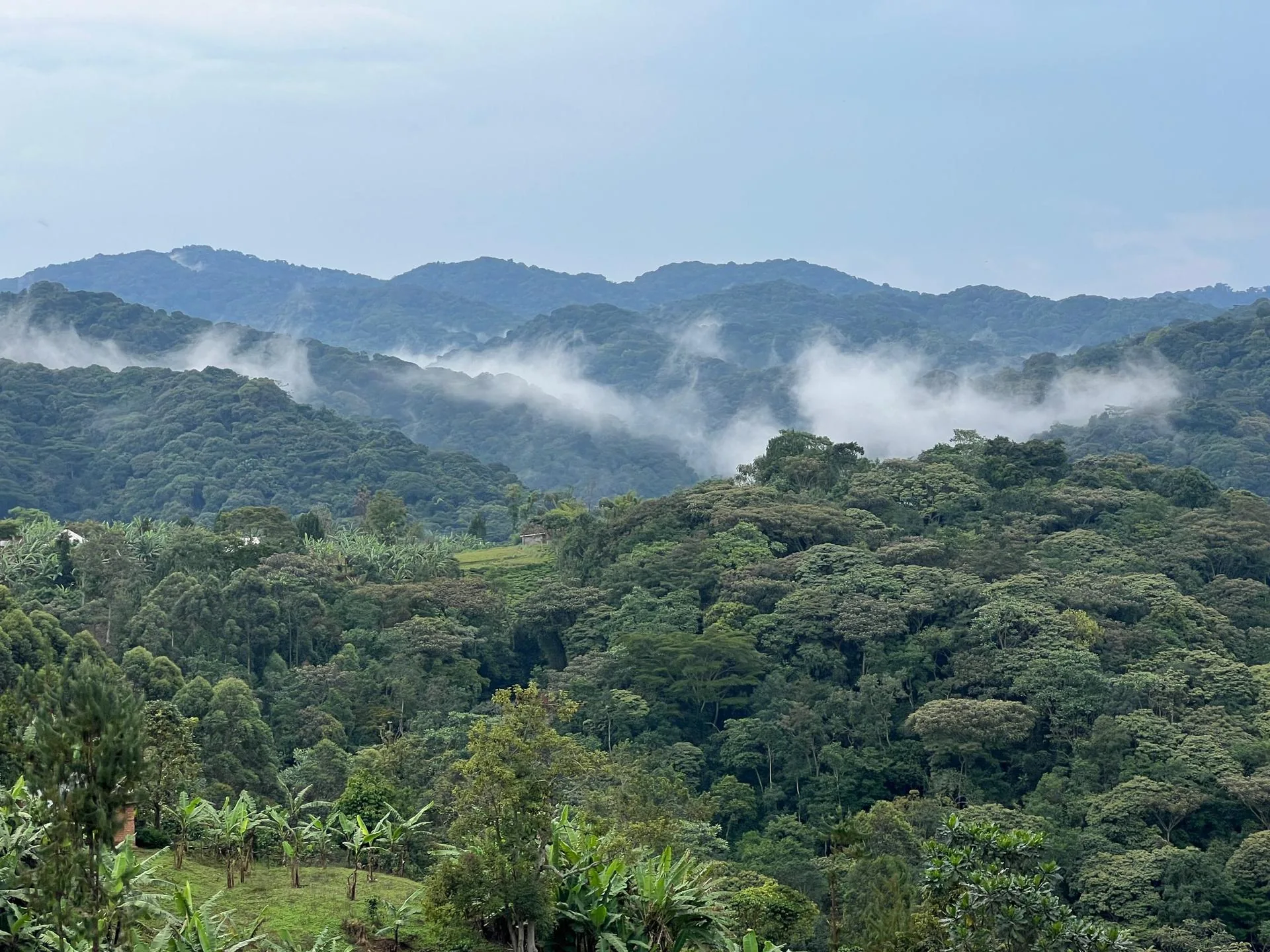
The word "impenetrable" is not decoration. The forest is dense, folded, and often steep, with mist, vines, birds, insects, streams, and old trees creating the feeling that the mountain is breathing. Gorilla trekking here is powerful because the encounter is earned through the forest, not separated from it.
Buhoma, Ruhija, Rushaga, and Nkuringo each change the route. Sector choice affects lodge location, drive time, terrain, permit availability, and how smoothly Bwindi connects with Queen Elizabeth, Lake Bunyonyi, or Mgahinga.
The Batwa and neighboring communities are part of the wider story around Bwindi. A respectful cultural or community visit can add context to forest life, conservation, displacement, adaptation, and the human side of gorilla protection.
The first impression
The road climbs, the air cools, and the forest begins to close around the hills. By the time you reach your lodge, the trek already feels different from a normal safari activity. It has weight. It has anticipation.
That is why a good Bwindi plan is not built only around buying a permit. It protects the night before, the morning briefing, the walk itself, and the quiet after. From here, the route can continue into Queen Elizabeth wildlife country, a gorilla and wildlife itinerary, or a longer gorillas, chimps, and savannah safari.
The trek itself
A Bwindi morning starts with boots, a briefing, walking sticks, porters, and guides reading the forest from the latest ranger information. Some treks are gentle. Others are steep, muddy, tangled, and slow. The uncertainty is part of the honesty of the experience.
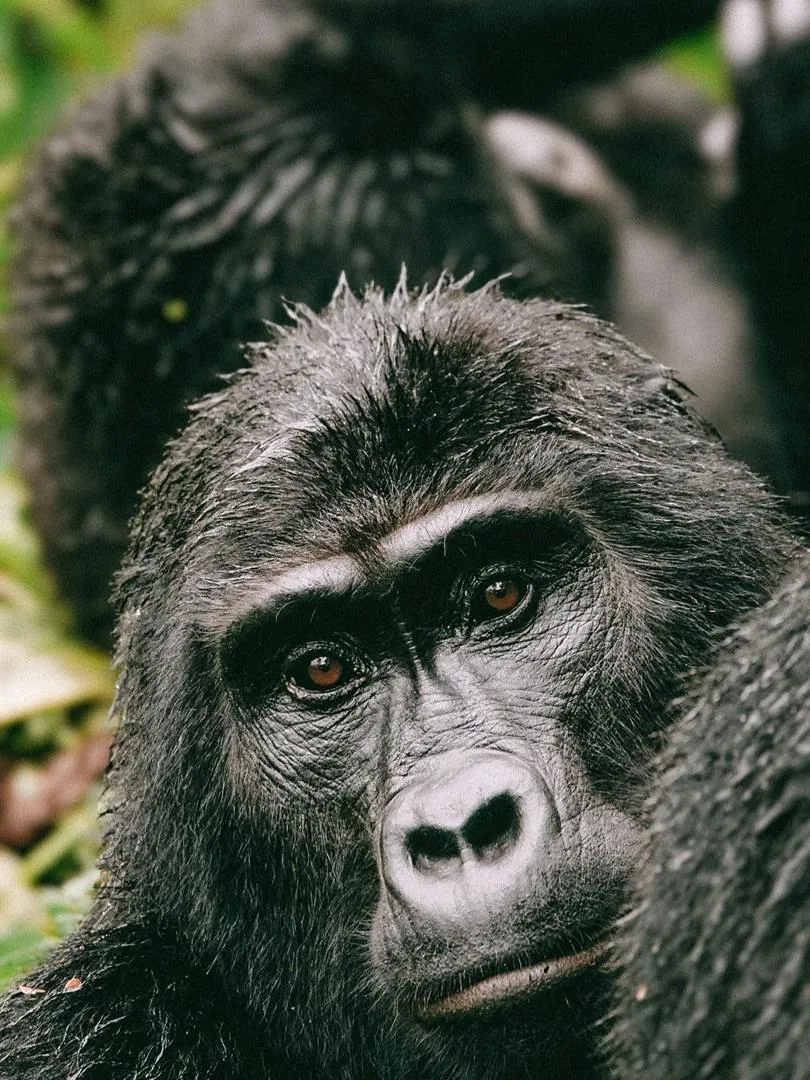
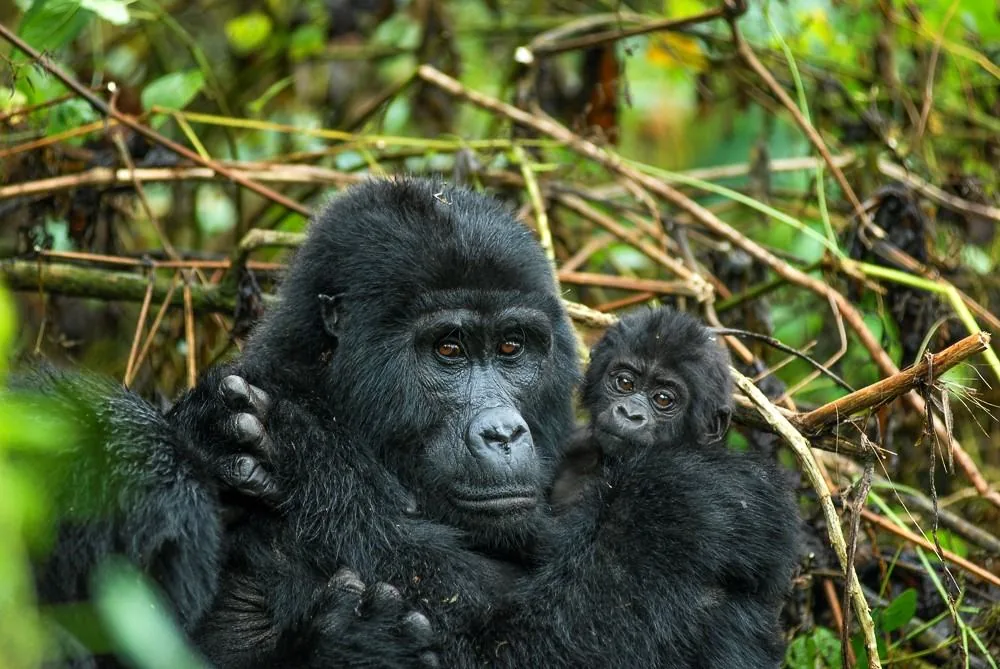
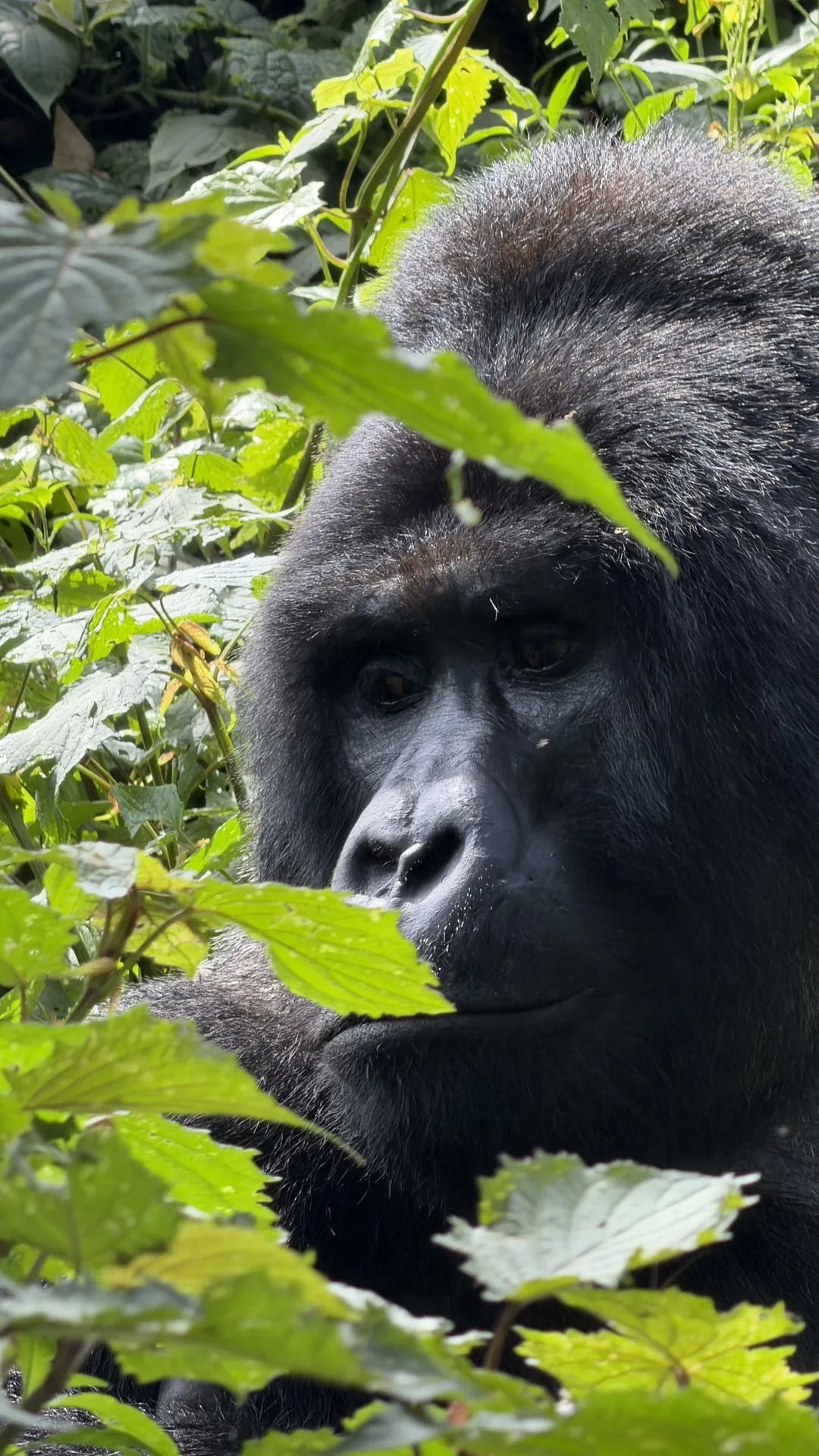
Then the mood changes. Voices drop. Cameras stay low until the guide allows them. A silverback may sit like a carved shadow in the leaves, a youngster may tumble through branches, or a mother may turn just enough for you to feel the intelligence in her face. This is why gorilla trekking in Uganda should never feel like a rushed stop between drives.
What stays with you
Permits, sectors, lodges, porters, weather, fitness, and recovery time all shape how the gorilla day feels.
The forest suddenly becomes quiet, close, and unforgettable when the trackers lead you to the family group.
Mist, mud, birds, vines, and steep green slopes make Bwindi feel alive before and after the gorillas appear.
Good support makes the trek more comfortable and also helps local communities benefit directly from gorilla tourism.
Bwindi feels better when connected gently to Queen Elizabeth, Lake Bunyonyi, Mgahinga, or a broader western circuit.
Seen along the way
The images that sell Bwindi are not only gorillas. They are the mist, the people, the path, and the sense of entering somewhere older than the itinerary.


A route that feels right
Planning notes
Field notes
There is no single Bwindi experience. The right version depends on where permits are available, how you travel, and what should happen before and after the gorilla trek.
Often useful for routes coming from Queen Elizabeth or Ishasha, with established lodge options and a strong forest feel.
A cooler, scenic sector that can work beautifully when the route needs mountain atmosphere and thoughtful pacing.
A strong southern base with many trekking options and useful links toward Lake Bunyonyi and Mgahinga.
Rewarding for travelers who like dramatic landscapes and are comfortable with a more physical forest setting.
Where you sleep changes the trek
A beautiful lodge in the wrong sector can create unnecessary driving. We choose the stay around permit location, road access, comfort level, and how quietly you want the forest nights to feel.
Buhoma Community Rest Camp or Ride 4 a Woman Guesthouse can work well when practical access and local character matter most.
Rushaga Gorilla Camp or Gorilla Mist Camp suit travelers who want stronger comfort while staying close to the right trekking logistics.
Buhoma Lodge or Clouds Mountain Gorilla Lodge fit guests who want views, polished service, and a more elevated trek-night experience.
We treat lodge names as starting points, then confirm the right fit once your permit sector, route direction, and travel dates are clear.
Where the story can go next
Some travelers want the shortest gorilla route possible. Others want the trek to sit inside a deeper Uganda safari with wildlife, lakes, volcanoes, and chimpanzees.
Use Queen Elizabeth or a Queen Elizabeth itinerary when you want savannah wildlife before or after the forest.
A gentle lake night can soften the route after the trek, especially for families, honeymooners, or travelers who want a quiet reset.
Add Mgahinga, golden monkeys, or Kibale chimpanzees for a broader primate safari.
Related planning
Use the guide here to choose a sector, then compare short trekking routes, longer wildlife pairings, and the wider gorilla planning notes.
Quiet and luxurious, practical and focused, family-friendly, honeymoon-paced, or part of a longer gorilla, chimpanzee, and wildlife safari. We will shape the sector, lodge, and route around that.