ZIWA RHINO SANCTUARY
Ziwa Rhino Sanctuary, also known as Ziwa Rhino and Wildlife Ranch, is one of the most important conservation stops on the road between Kampala or Entebbe and Murchison Falls National Park. It sits in Nakasongola District, off the Kampala-Gulu Highway, and is usually used as a meaningful break on the northern safari route rather than a simple roadside stop.
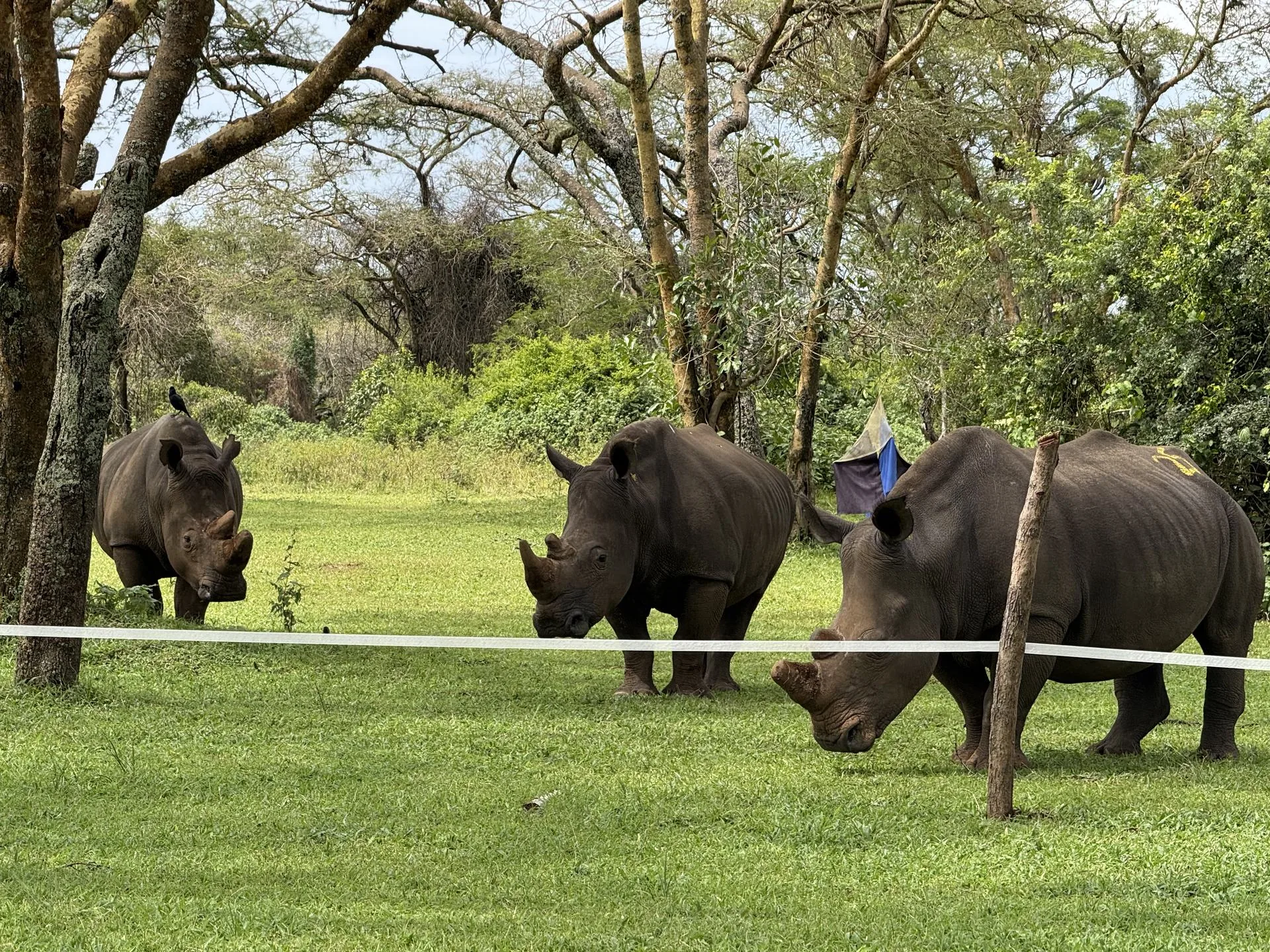
The sanctuary is best known for southern white rhinos. Uganda lost its wild rhinos during the years of heavy poaching and insecurity in the 1970s and early 1980s, so Ziwa became the living centre of the country's rhino recovery story. Six southern white rhinos were introduced to Ziwa in 2006, and the breeding programme has since produced many successful births.
For travelers heading to Murchison Falls, Ziwa adds a different kind of wildlife experience before the savannah and the Nile. Instead of watching from a vehicle, visitors usually track rhinos on foot with trained rangers, moving carefully through bush and open woodland until the animals are found grazing, resting, or moving through the ranch.
Conservation and history
Ziwa was created to rebuild Uganda's rhinoceros population after rhinos had disappeared from the country's wild landscapes. The project began as a re-introduction effort, bringing southern white rhinos into a protected ranch where they could breed under close protection before future movement into larger protected areas became possible.
The ranch has worked as a guarded breeding ground, with rangers and wildlife staff monitoring rhinos closely and keeping the animals within a protected area. The long-term conservation idea has always been bigger than one sanctuary: grow a secure population, protect it from poaching pressure, and eventually support rhino recovery in places where the species historically belonged.
That wider recovery has already begun to show. In 2026, rhinos bred at Ziwa were moved to Kidepo Valley National Park as part of Uganda's effort to restore rhinos to a protected landscape where they had been absent for decades. For a traveler, this makes Ziwa more than an activity stop. It is a place where Uganda's conservation story is still actively unfolding.
Rhino tracking experience
Rhino tracking at Ziwa is done with trained rangers who know where the rhinos are likely to be at that time of day. Depending on where the animals are, visitors may first drive across part of the ranch before continuing on foot. The walking section is usually calm and guided, but it still carries the special feeling of being on the ground with large wild animals.
The experience often takes about one and a half to two and a half hours, depending on the rhinos' location and movement. Closed shoes, drinking water, long trousers, insect repellent, sun protection, and a camera are useful. The best experience is not rushed: the ranger explains how to approach, where to stand, how to keep distance, and how to read the animals' behavior.
White rhinos are large, heavy, and powerful, but they are also grazers, so the encounter often feels quieter than people expect. You may find them feeding in grassland, resting in shade, or moving slowly through open bush. The point is not to chase them, but to meet them respectfully and understand why the sanctuary matters.
Other wildlife and habitat
Ziwa is not only about rhinos. The ranch includes woodland, savannah, and swamp habitat, which makes it useful for birding and for slower nature experiences. More than 300 bird species are associated with the area, and the ranch offers bird trails for travelers who want to add time beyond the rhino walk.
Other wildlife may include Uganda kobs, oribis, bushbucks, waterbucks, monkeys, and other smaller species depending on season, route, and luck. The ranch environment is also active at night, with nocturnal animals sometimes recorded around the accommodation and wilder corners of the property.
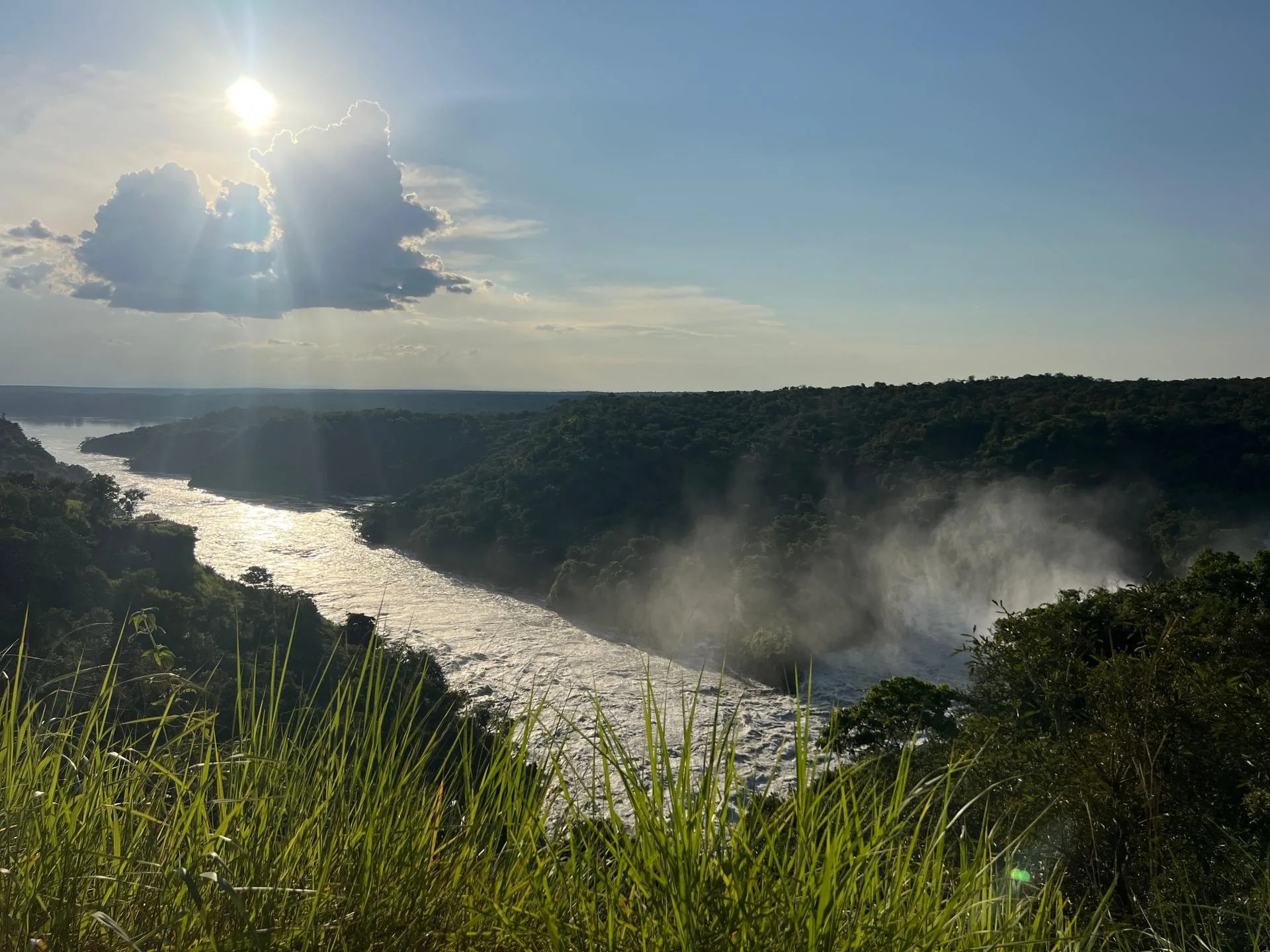
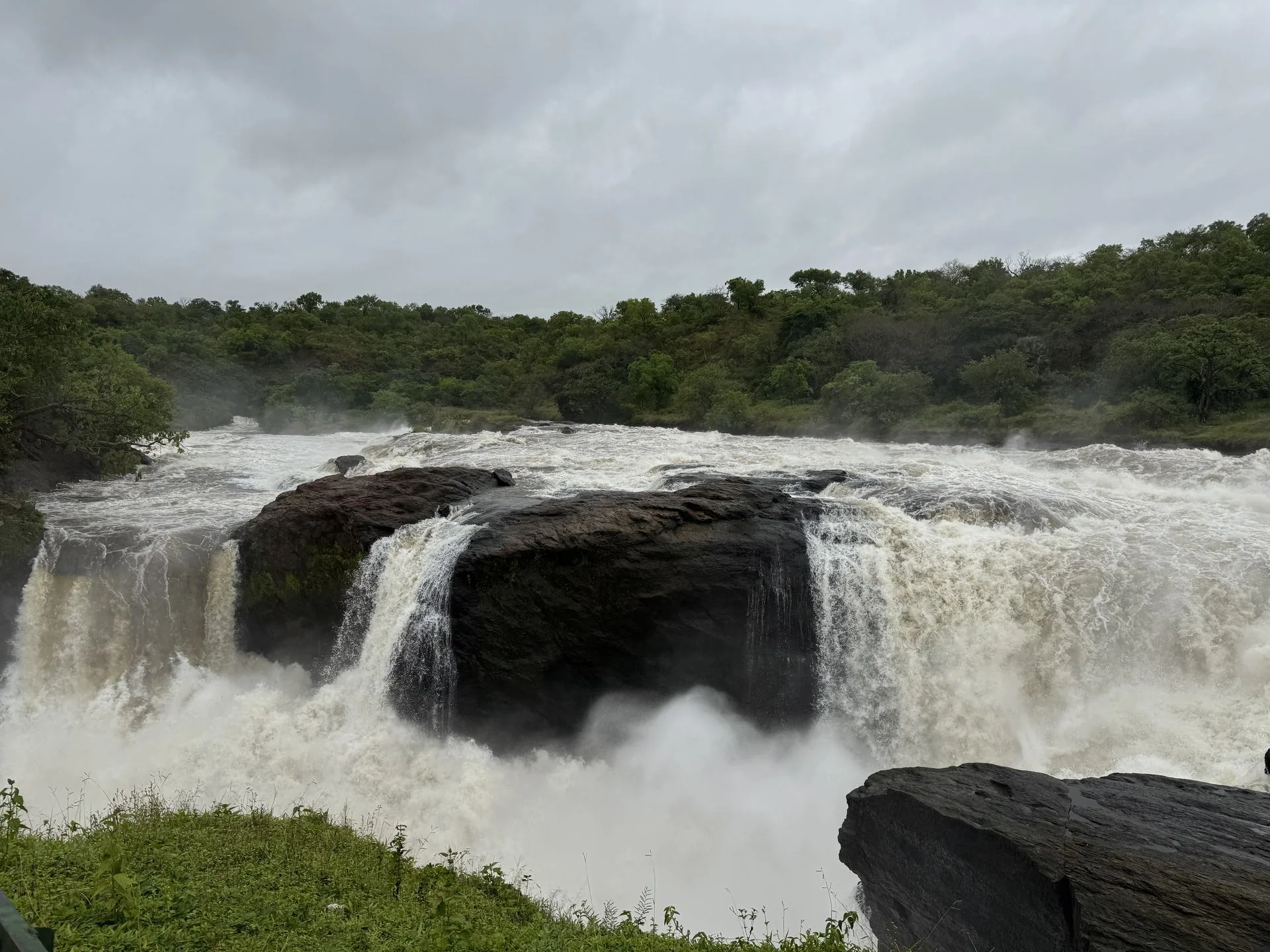
Because Ziwa sits before Murchison Falls on the northern road, it gives the route a strong opening chapter: conservation first, then the Nile, waterfall, boat cruise, and Murchison game drives. For many travelers, it is the stop that turns the short Murchison route into a more complete Uganda wildlife story.
Route planning
Ziwa works best when it is planned honestly into the transfer day. From Kampala or Entebbe, the road north is already a substantial journey, so the rhino experience should be treated as a real activity with time for arrival, briefing, tracking, and a relaxed continuation toward Murchison Falls.
On a three-day Murchison safari, Ziwa usually helps break the first or last road day. On a four-day route, it can be placed more comfortably so travelers do not feel they are rushing from rhinos straight into the park. On longer Uganda safaris, Ziwa can connect naturally with Murchison Falls, Kidepo, Budongo Forest, or the wider northern circuit.
The practical details matter: weather, road conditions, rhino location, lodge position, and onward timing can all affect the flow. A good private safari keeps Ziwa meaningful without letting it compress the Murchison Falls experience that follows.