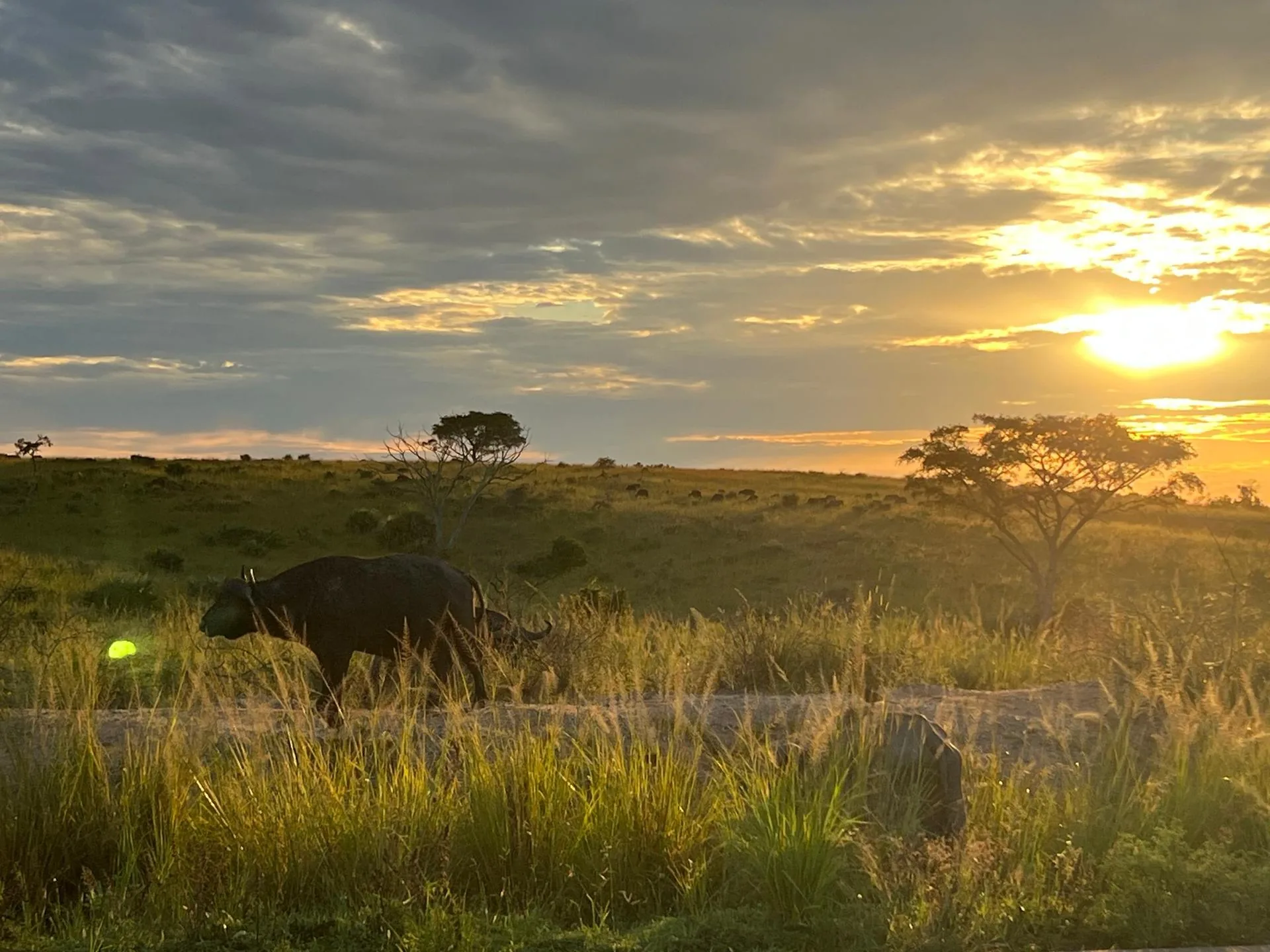
Buffalo crossing the savannah at sunset in Murchison Falls National Park, Uganda

Uganda Safari Budget Guide

What does a Uganda safari cost?

The useful answer is not one daily rate. It is a transparent route, priced for your dates, group size, rooming, lodges, permits, transport, and the experiences you actually want included.

Updated June 28, 2026 12-minute read Current published examples

The essential answer

Price the journey you will actually take.

A Uganda safari can be a focused three-day wildlife break, a gorilla-led forest journey, or a private two-week route joining savannah, chimpanzees, mountains, and remote lodges. Those trips cannot share one meaningful headline price.

At GambaUganda Safaris, published itineraries use starting-from prices per person. Your written quote is then shaped by travel dates, the number of guests, single or shared rooms, lodge availability, permit inventory, vehicle needs, and any domestic flights. That written quote—not a search-result average—is the number to compare.

The examples below come from our current Uganda safari collection. They are planning anchors, not fixed offers for every date or traveler.

Real planning anchors

Current Uganda safari starting prices.

These selected GambaUganda itineraries show how route, permit content, and journey style affect the total. Every amount is a starting price per person and must be reconfirmed for your dates.

Safari examplePublished starting priceWhat shapes the price
3-day Murchison Falls focus$930 per personCompact savannah route, road transport, game viewing, and Murchison Falls experiences.
3-day gorilla trek escape$1,838 per personTime-sensitive gorilla permit, southwest transport, forest lodge, and briefing-point logistics.
5-day Queen Elizabeth focus$1,960 per personLonger private vehicle use, park activities, lodge nights, and the shape of the wildlife route.
5-day gorilla and Lake Mburo$2,380 per personGorilla permit plus a two-park route, additional lodge nights, and southwest road logistics.
7-day three-park signature route$3,380 per personSeveral protected areas, gorilla trekking, more activities, and a fuller private circuit.
10-day romantic couple safari$4,210 per personPrivate pacing, room choice, experience design, and longer dedicated guide and vehicle time.
20-day Uganda discovery$7,860 per personExtended national circuit, many lodge nights, sustained transport, permits, and varied activities.

Read prices correctly: “starting from” is not a promise that every departure will cost the same. Peak-date lodge space, single rooms, group size, permit changes, flight choices, and itinerary revisions can move the final quote.

The six major cost drivers

Why two Uganda safaris of the same length can cost very differently.

Number of days matters, but it is only the beginning. The following choices usually explain more of the difference.

01 / Permits and activities

Primate days change the budget quickly.

Gorilla tracking, chimpanzee tracking, habituation experiences, boat cruises, guided walks, and specialist activities each have limited capacity and their own tariffs. The quote should name them individually.

02 / Lodge and rooming

A room category is not a small detail.

Comfortable midrange, boutique, and high-end wilderness lodges can sit far apart in price. Single occupancy, family units, honeymoon rooms, and festive dates may add supplements.

03 / Group size

Private transport has shared costs.

The vehicle, driver-guide, and some transfers are spread across the traveling party. Rooms, meals, permits, and many activities remain per-person costs, so savings are not perfectly proportional.

04 / Route distance

The map has a price.

Fuel, vehicle days, guide time, road conditions, and positioning all matter. A clean sequence of parks usually costs less—and feels better—than jumping back and forth across the country.

05 / Road or air

Domestic flights buy time, not always savings.

Flying can protect a short itinerary from very long road days, but airfares, luggage limits, airstrip transfers, and vehicle positioning must be considered together.

06 / Dates and availability

The same plan can price differently by date.

Preferred lodge categories and room types may sell out. A replacement can cost more even when official permit tariffs stay unchanged. Exact dates are therefore part of a useful quote.

Permits, park fees, and activities

Separate the protected-area costs from the package headline.

A quote can look attractive simply because an expensive permit or activity is missing. Check the itinerary line by line before comparing totals.

Gorilla tracking

$800 standard foreign non-resident permit.

Uganda Wildlife Authority currently publishes different rates by residency category and lower promotional rates for specified low-season months. The permit date, designated entry point, traveler name, and applicable rate should be confirmed before payment. See our complete permit guide or compare Uganda and Rwanda gorilla trekking.

Other protected-area costs

Do not bundle them into “park fees” mentally.

Park entry, chimpanzee tracking, boat cruises, guided nature walks, vehicle entry, community experiences, and optional specialist activities can follow different rules. Ask which exact items the written quote includes.

Important: official tariffs, booking rules, and promotional periods can change. This guide was checked on June 28, 2026 against the Uganda Wildlife Authority rates page and its 2026–2027 tariff notice. Reconfirm before making a non-refundable payment.

Read the written quote

What may be included—and what you should never assume.

There is no universal safari inclusion list. The correct list is the one attached to your exact itinerary and invoice.

Commonly included when listed

Your confirmed Uganda services.

These may include a private 4x4 and English-speaking driver-guide, accommodation, specified meals, airport transfers, park entrance, and confirmed itinerary activities. Gorilla or chimpanzee permits are included only when named in writing.

Commonly separate unless listed

Your international and personal costs.

International flights, visa charges, travel insurance, medical requirements, tips, laundry, premium drinks, personal purchases, optional activities, porter support, and some domestic flights should not be assumed.

Good wording is specific. “Park entrance fees and confirmed itinerary activities listed in your written quote” is safer than a vague promise that “everything” is included. It tells both sides exactly where to look.

Quote comparison checklist

Compare the same safari—not merely the final number.

Put competing quotes side by side and make each one answer these questions.

Dates and rooms

Are the travel dates and rooming identical?

Check single, double, twin, triple, child-sharing, family unit, and any festive or peak-date supplement.

Lodges and meals

Are actual properties named?

“Luxury lodge” is not enough. Compare the named property, room category, meal plan, and distance from the next morning's activity.

Vehicle and guide

Is the safari genuinely private?

Confirm vehicle type, whether other guests join, guide language, pickup point, airport transfers, and what happens on any domestic flight day.

Permits and activities

Does each major experience appear?

Check gorilla and chimpanzee permits, boat trips, game drives, walks, community visits, park entry, and any optional or payable-locally activity.

Currency and payment

What amount is protected—and until when?

Confirm currency, exchange-rate treatment, payment stages, bank or card charges, invoice reference, and which services are secured after payment.

Change and cancellation

What happens if plans move?

Read supplier-specific permit, lodge, flight, rescheduling, and cancellation terms. Do not assume one flexible policy controls every component.

Avoid false savings

The cheapest headline can create the most expensive correction.

  • A permit without the right lodge: a low room rate loses its value when the lodge sits far from the designated gorilla entry point.
  • A route with too much backtracking: poorly sequenced parks use more fuel, guide time, and daylight while giving you less time outside the vehicle.
  • An omitted activity: a quote excluding gorilla permits, chimpanzee tracking, or a key boat cruise is not comparable with one that includes them.
  • An unclear single supplement: solo travelers and odd-numbered groups should see rooming costs before confirming, not at the invoice stage.
  • A rushed short itinerary: saving a lodge night can create an exhausting transfer, a missed briefing, or a new domestic flight cost.
  • A broad “all inclusive” label: the phrase has little value unless the quote names meals, drinks, permits, activities, transfers, and exclusions.

Spend wisely

How to reduce cost without hollowing out the safari.

The best savings usually come from better structure, not from removing the reason you wanted to travel.

Travel together

Share the private vehicle sensibly.

Couples, families, and small private groups can spread fixed transport costs while keeping their own itinerary. Vehicle capacity and comfort still matter.

Build a clean route

Choose fewer, better-connected places.

Lake Mburo, Queen Elizabeth, Bwindi, and Kibale can form logical western sequences. Remote additions deserve enough nights to justify their transport.

Balance lodge levels

Spend most where the stay matters most.

A special forest or honeymoon lodge can be paired with simpler one-night transit accommodation. Every night does not need the same category.

Stay flexible

Give the planner room to solve availability.

A small date window or willingness to compare two gorilla sectors can protect value without compromising the central experience.

Use road and air deliberately

Fly only where time gained is valuable.

Road travel reveals Uganda and connects places naturally. A flight earns its cost when it protects a short trip or replaces an especially long transfer.

Protect the essentials

Do not save by risking the permit day.

Arriving near the correct briefing point the previous day, using reliable transport, and carrying proper insurance are structural safeguards, not extras.

A better way to set a budget

Start with priorities, then let the route reveal the number.

Tell your planner the comfortable total range, but also name what must survive if choices are needed: gorilla trekking, a private vehicle, fewer long drives, a special lodge, family space, birding time, or a domestic flight.

A good proposal should show where the money is doing useful work. If a more expensive version adds only labels, it is weak. If it protects a permit, removes a punishing transfer, places you beside the right forest entry point, or gives your family the correct room, the difference may be meaningful.

For route inspiration, compare our private Uganda safari itineraries, then ask us to reshape one around your dates and priorities.

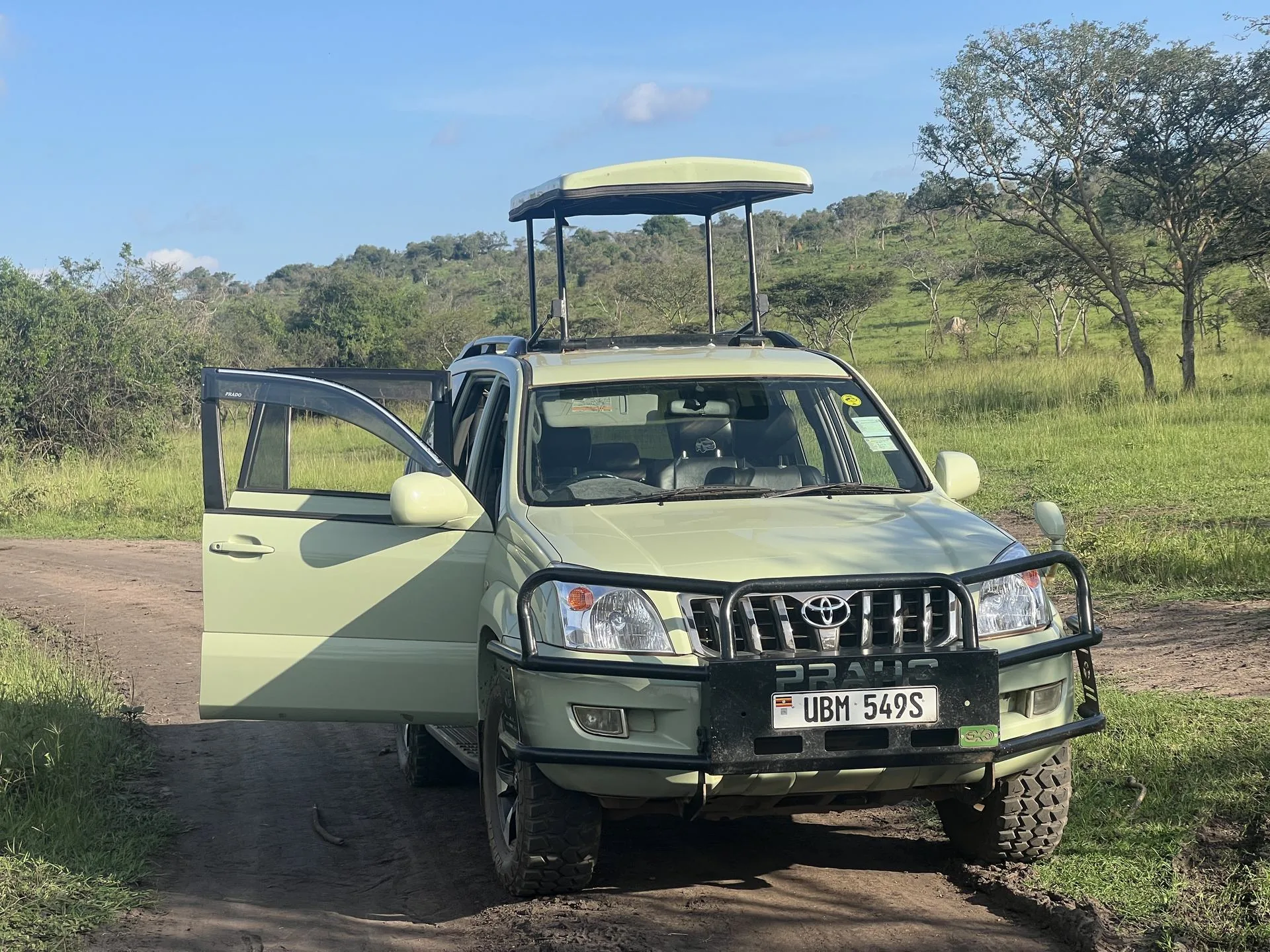
Private safari vehicle on a Uganda wildlife route
On a private safari, route design and vehicle time are part of the value—not background details.

Uganda safari price questions

Quick answers before you request a quote.

How much does a Uganda safari cost?

There is no single honest price. Our current published examples begin at $930 per person for a focused three-day Murchison Falls safari. Gorilla, longer wildlife, honeymoon, family, and extended private routes rise according to permits, rooming, lodge level, transport, activities, and dates.

Is the gorilla permit included in a Uganda safari price?

Only when the written quote explicitly lists it. A standard foreign non-resident gorilla permit is currently $800, but residency and specified promotional rates differ. Confirm the traveler name, date, designated entry point, amount, and payment status.

Why does the price per person change with group size?

A private vehicle, driver-guide, fuel, and some transfers are shared across the traveling party. Rooms, meals, permits, and many activities remain charged per traveler, so the reduction is not equal across every item.

Are international flights included?

Do not assume so. International flights, visas, insurance, tips, personal purchases, and optional activities are commonly separate. Domestic flights must also be named if included.

How do I compare two safari quotes?

Check the same dates, rooming, named lodges, meal plan, vehicle exclusivity, permit count, activities, domestic flights, transfers, taxes, currency, and cancellation rules. Compare what you receive, not only the total.

When should I book?

Book when the route, rooming, major permits, and preferred lodge category can be confirmed together. Capacity-limited permits and rooms can change the route or price even when your travel month stays the same.

Official rate reference: permit context was checked against the Uganda Wildlife Authority rates and tariffs page and its 2026–2027 tariff notice. Our itinerary prices were checked against the current prices displayed on this website on June 28, 2026. All prices and availability should be reconfirmed in a written quote before payment.

Continue planning

Permit guide

Uganda gorilla permits

Check current permit categories, booking rules, entry points, inclusions, changes, and safe confirmation.

A quote you can actually read

Tell us your dates, travelers, rooming, and comfortable range.

We will shape a private route, check permits and lodges, and send a written quote showing the confirmed inclusions before asking you to pay.