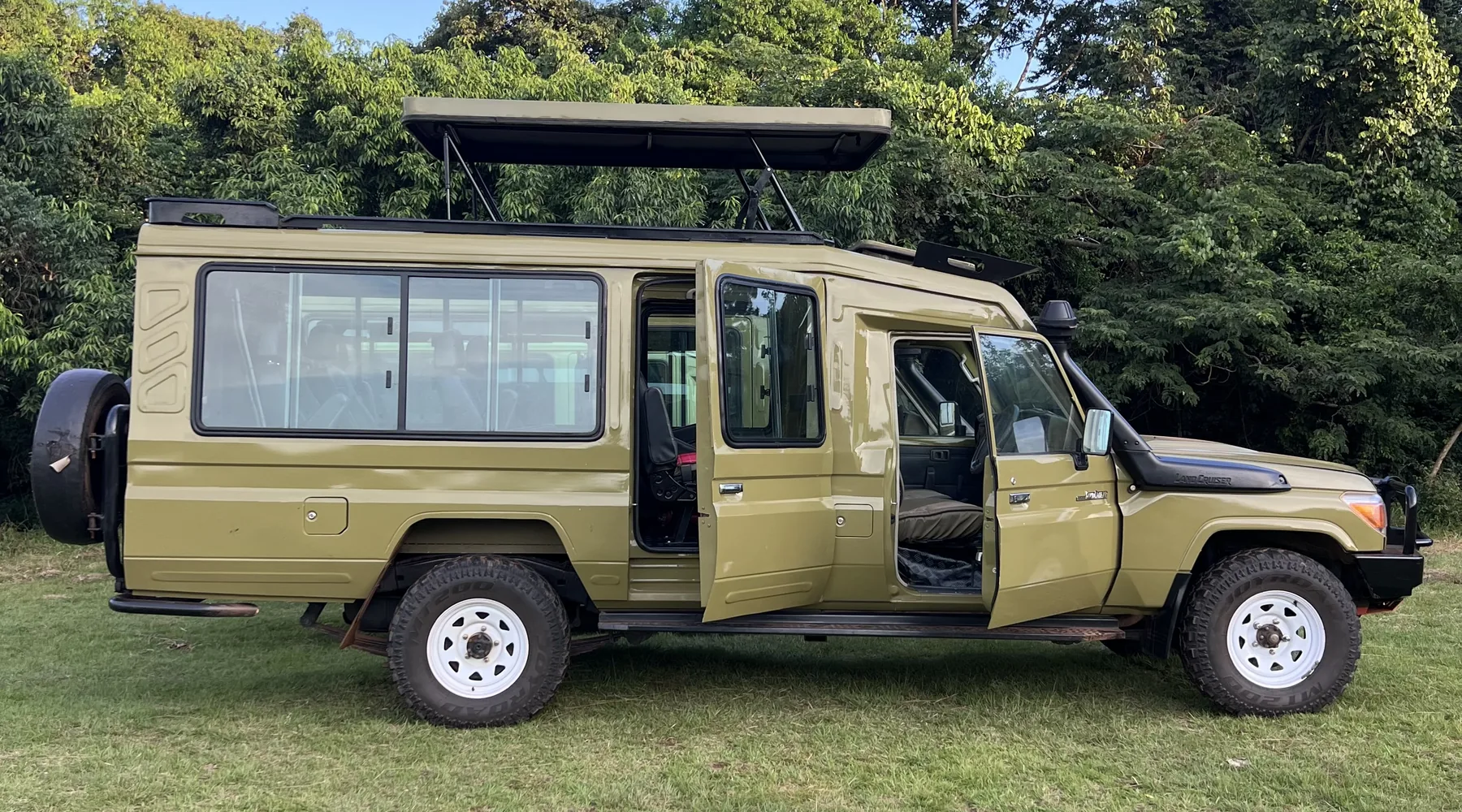
Private safari vehicle prepared for a Uganda wildlife journey

Uganda Safari Preparation Guide

What should you pack for Uganda?

Pack light enough for the vehicle and possible bush flight, but intelligently enough for rainforest mud, savannah dust, cool highlands, boat spray, strong sun, and an early lodge dinner.

Updated June 28, 2026 12-minute read Practical field checklist

The essential answer

Use three layers and two bags.

The most useful Uganda packing system is simple: one soft-sided duffel for your main luggage, one comfortable daypack for activities, and clothing built in light base layers, a warm layer, and a waterproof outer layer.

Uganda does not need a different wardrobe for every park. Neutral, quick-drying pieces can repeat across game drives, forest walks, boat trips, transfers, and lodge time. Good laundry planning is more valuable than a large suitcase.

Your exact list should follow the itinerary. Gorilla trekking needs boots, long clothing, gloves, and rain protection. A fly-in safari needs stricter luggage discipline. Photography, children, hiking, or medical needs should be discussed before the final pack.

The master packing list

Everything most Uganda safaris need.

Quantities below suit many 7–14 day journeys when laundry is available. Adjust for trip length, personal comfort, weather, and specialist activities.

Clothing

Light, repeatable layers.

  • 3–5 lightweight neutral shirts, including long sleeves
  • 2–3 comfortable safari trousers
  • One dedicated trekking trouser if gorillas or chimpanzees are included
  • Fleece, light sweater, or compact insulated layer
  • Breathable waterproof jacket or poncho
  • Underwear, sleepwear, and enough hiking and everyday socks
  • Sun hat plus a warm cap or beanie for highlands if you feel the cold
  • One relaxed lodge or city outfit
Footwear

Grip first, then comfort.

  • Broken-in hiking boots with dependable tread
  • Comfortable closed walking shoes or trainers
  • Light sandals or slides for lodge use
  • Gaiters for forest mud, rain, and vegetation
  • Long hiking socks that can cover the trouser hem
  • No brand-new boots on the gorilla morning
Daypack essentials

The items that travel with you.

  • Reusable water bottle
  • Waterproof pouch, dry bag, or pack cover
  • Sunscreen, lip balm, and insect repellent
  • Personal medication and small first-aid pouch
  • Hand sanitizer and tissues
  • Camera, binoculars, phone, and spare power
  • Small notebook, pen, and a few resealable bags
Documents and money

Originals plus secure backups.

  • Passport and current visa or entry approval where required
  • Yellow fever certificate and other applicable health documents
  • Travel insurance policy and emergency contacts
  • Flight details, itinerary, lodge contacts, and permit confirmations
  • Payment cards and modest cash in suitable denominations
  • Digital copies stored securely and separate paper copies
Do not pack by calendar alone. Uganda's altitude changes quickly. A hot afternoon in Queen Elizabeth can be followed by a cold dawn in Bwindi or Mgahinga, and rain is possible in every month.

Gorilla and chimpanzee forest

Pack to stay dry, covered, and steady.

Forest comfort comes from grip, coverage, and keeping essential items dry—not from heavy expedition gear.

Wear on the trek

Start ready for mud and vegetation.

  • Long quick-drying trousers
  • Long-sleeved breathable shirt
  • Light fleece for a cool start
  • Waterproof shell or poncho within reach
  • Broken-in boots with grip
  • Long socks and optional gaiters
  • Sturdy lightweight gloves for vegetation and balance
Carry in the daypack

Light enough to move comfortably.

  • Water and the packed lunch arranged for the day
  • Essential medication
  • Camera with flash disabled and a spare battery
  • Waterproof protection for electronics and documents
  • Sunscreen, insect repellent, and tissues
  • A small personal first-aid kit
  • Space to remove your warm layer as the day changes
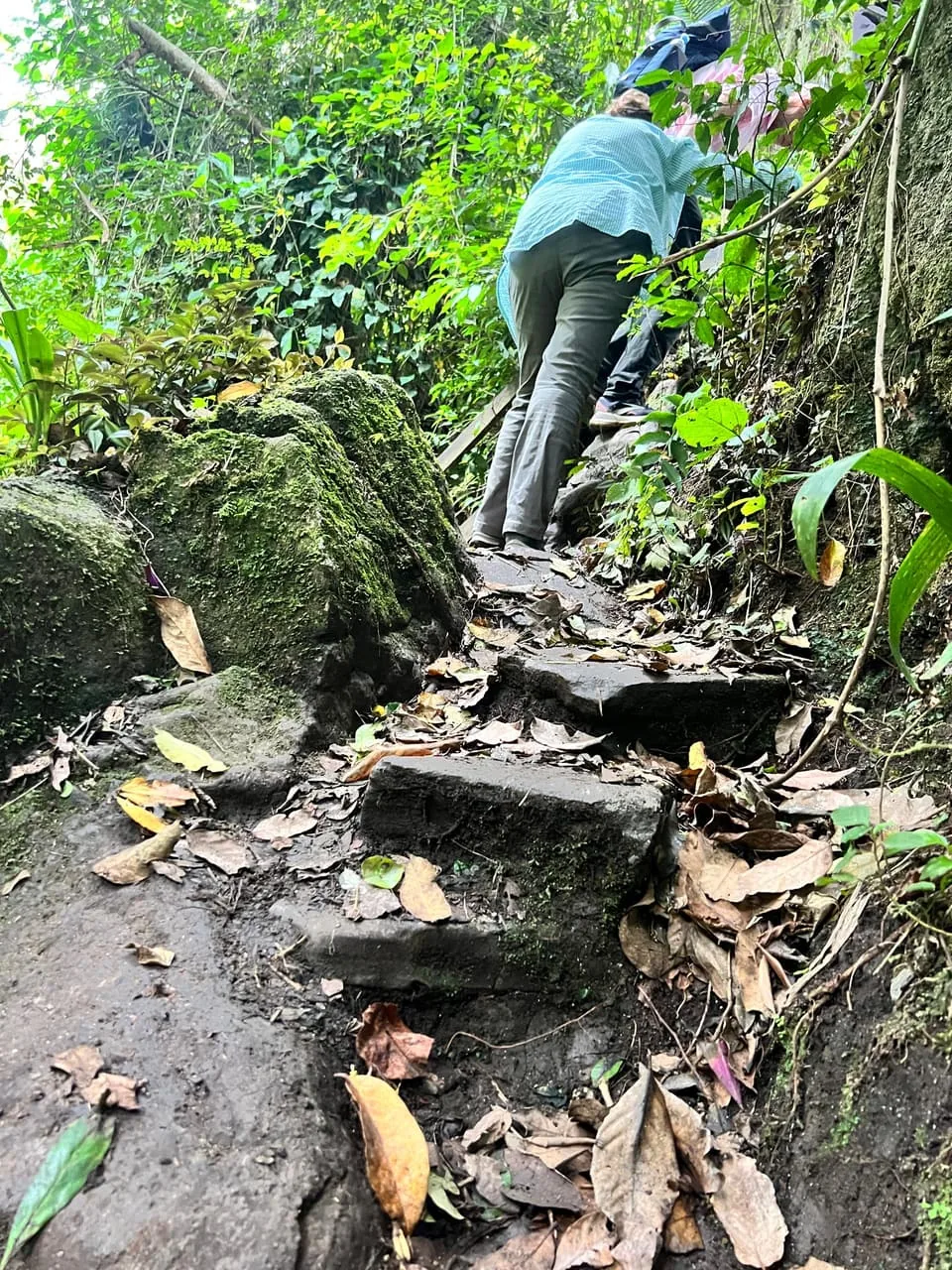
Travelers climbing a steep forest trail in Uganda
Long trousers, reliable tread, and free hands matter when the forest becomes steep or slippery.

The most useful extra

Hire a porter before buying more gear.

A porter can carry the daypack and provide steady practical support on difficult sections. The service also creates direct local income around the gorilla parks.

A walking stick may be supplied or available locally, depending on the entry point. Ask your guide rather than bringing a bulky pole automatically, especially if a domestic flight is included.

For trail conditions by month, read our best time for gorilla trekking guide.

Savannah, boats, and lodge time

Game drives need less gear—but more range.

A single day can move from a cold open-roof sunrise to strong midday sun, dust, a breezy boat, and a polished lodge dinner.

Early game drive

Keep one warm layer beside you.

Wear light trousers and a shirt, then add a fleece or jacket for the first hour. A scarf or buff helps with cool air and dust.

Midday sun

Shade and hydration do the work.

Pack a brimmed hat, sunglasses, sunscreen, water, and breathable clothing. Neutral earth tones are practical and easier to repeat.

Boat safari

Protect against spray and glare.

Bring a light rain shell, sun protection, camera strap, and dry pouch. Keep binoculars ready for birds and wildlife along the banks.

Bush walk

Use closed shoes and long trousers.

Follow the guide's advice for the specific walk. Coverage, grip, and quiet colours are more useful than a safari costume.

Lodge evening

Comfort is enough.

Most safari lodges are relaxed. A clean shirt, simple trousers or dress, sweater, and comfortable shoes usually cover dinner.

Laundry rhythm

Pack for repeat use.

Many lodges offer laundry, but timing and garment restrictions vary. Keep enough essentials for delays and ask before sending delicate items.

Domestic flight luggage

A small aircraft changes the packing limit.

International baggage allowance does not carry automatically onto a Uganda safari flight. The operating airline and ticket are the source of truth.

Aerolink Uganda

15 kg in soft bags, including hand baggage.

Aerolink's current traveler information states a 15 kg allowance per passenger on its services, with all hand baggage included. Excess carriage is subject to space and airline approval.

BAR Aviation

15 kg total on small-aircraft services.

BAR's published policy also uses soft-sided bags and counts carry-on within the 15 kg total. Camera, medical, mobility, and unusual equipment should be discussed before travel.

Best bag: a soft duffel without a rigid frame. It fits irregular aircraft holds and packs more easily in a safari vehicle. Use packing cubes or internal pouches for structure.

Photographers: do not assume a heavy lens bag will be accepted outside the allowance. Send equipment weights and dimensions to the operator early so a freight seat, excess arrangement, or storage plan can be considered.

Road-only routes: you may have more flexibility, but soft luggage still keeps the vehicle organized. A large rigid suitcase becomes awkward when several travelers share cargo space.

Check the ticket again before departure. Airline limits, excess charges, aircraft type, and special-item rules can change. A guide page cannot override the operating carrier's conditions.

Health and personal care

Prepare with a clinician, then carry what is personal to you.

A packing list can organize supplies; it cannot replace individual medical advice or current entry guidance.

Discuss before travel

Your health plan is itinerary-specific.

  • Routine and destination-specific vaccines
  • Malaria prevention suitable for you
  • Altitude or mobility considerations
  • Allergies, pregnancy, chronic conditions, or refrigeration needs
  • Insurance coverage for trekking and evacuation
  • Current health notices and entry requirements
Pack personally

Do not depend on finding an exact replacement.

  • Regular prescriptions in original labeled packaging
  • Copy of prescriptions and clinician letter where appropriate
  • Extra essential medication for reasonable travel delays
  • Insect repellent and sunscreen
  • Small first-aid, blister, and rehydration supplies
  • Glasses, contact-lens supplies, and personal hygiene items

Health note: the CDC's current Uganda traveler page recommends discussing malaria prevention with a clinician and reports yellow fever vaccination requirements for entry. Guidance and active health notices can change. Review the live Uganda traveler page and the advice of your own government and qualified clinician before departure.

Camera, binoculars, and power

Bring fewer devices—and enough power for them.

Camera

Know the controls before the sighting.

Bring the body and lens range you can handle quickly, spare batteries, memory cards, a cleaning cloth, and rain protection. Flash is not used with gorillas.

Binoculars

One of the highest-value items.

A comfortable pair improves birds, distant cats, primates, and small details even for travelers who do not identify as birders.

Power

Build a simple charging kit.

Pack a universal travel adapter, labeled cables, power bank, and compact multi-port charger. Ask before using high-draw equipment at remote lodges.

Phone

Download before leaving reliable signal.

Store itinerary, insurance, emergency numbers, offline maps, airline details, and document copies for access without mobile data.

Backup

Separate copies from originals.

Keep a second memory card, encrypted cloud backup when possible, and document copies away from the main wallet or camera bag.

Drone

Leave it unless permission is confirmed.

Protected areas and aviation authorities regulate drone use. Do not pack one on the assumption that recreational flying will be allowed.

What not to pack

Leave weight, fragility, and false usefulness at home.

Usually unnecessary

Items that take more than they give.

  • Several formal outfits or dress shoes
  • Heavy cotton clothing that dries slowly
  • Multiple large hard-sided suitcases
  • Full-size toiletries for a short trip
  • Expensive jewelry and unnecessary valuables
  • Too many lenses you will not carry in the field
Actively unhelpful

Items that create avoidable problems.

  • Brand-new boots reserved for the trek
  • Military-style camouflage outfits
  • Unlabeled medication or unsupported prescriptions
  • A drone without written authorization
  • One sole copy of important documents
  • Overweight luggage with no advance arrangement

The 48-hour check

Before the bag closes, confirm the itinerary again.

Weather

Check each region, not “Uganda.”

Entebbe, savannah parks, Bwindi, Mgahinga, and the Rwenzori highlands can feel very different on the same date.

Flights

Read the domestic ticket.

Confirm baggage weight, whether hand luggage is included, bag type, check-in time, and special equipment approval.

Documents

Open every important file offline.

Check passport validity, entry approval, health certificate, insurance, permits, tickets, and emergency contacts.

Medication

Keep essentials in reach.

Do not place all critical medication in luggage that may be checked or separated from you.

Trek kit

Try the complete outfit.

Walk in the boots, bend in the trousers, adjust the daypack, and test the rain shell before travel.

Weight

Weigh the real packed bags.

Include camera bag, daypack, chargers, and anything you plan to buy before the domestic flight.

Packing questions

Quick answers before you close the bag.

What clothes should I pack for Uganda?

Pack lightweight neutral shirts and trousers, long forest layers, a fleece or sweater, breathable rain shell, sun hat, sleepwear, socks, underwear, and one relaxed lodge outfit. Repeat quick-drying pieces rather than packing a separate outfit for every day.

Do I need hiking boots for gorilla trekking?

Broken-in hiking boots with good grip are strongly recommended. Trails can be muddy, steep, wet, and rooty. Long socks, gaiters, gloves, and rain protection also improve comfort.

How much luggage can I take on a domestic safari flight?

Check the operating airline and ticket. Aerolink currently states 15 kg per person in soft bags including all hand baggage. BAR Aviation also publishes a 15 kg total limit for its small-aircraft services.

What belongs in my gorilla trekking daypack?

Carry water, the packed lunch arranged for the trek, rain protection, essential medication, sunscreen, insect repellent, camera, spare battery, waterproof pouches, and a small personal first-aid kit. Keep it light and consider a porter.

Can I wear shorts?

Shorts can work at a lodge, but long lightweight trousers are more practical for forest walks, bush activities, insects, sun, dust, and cool starts.

What health items should I pack?

Bring regular prescriptions in original packaging, prescription copies, insect repellent, sunscreen, sanitizer, and a personal medical kit. Consult a travel-health clinician for vaccines and malaria prevention, and check current official guidance.

Official references: forest preparation and conduct were checked against the Uganda Wildlife Authority gorilla and chimpanzee tracking guidelines. Flight limits were checked against Aerolink Uganda traveler information and the BAR Aviation baggage policy. Health guidance was checked against the live CDC Uganda traveler page. Reconfirm airline, health, and entry rules before departure.

Continue planning

Permit guide

Uganda gorilla permits

Check current prices, entry points, payment rules, inclusions, changes, and safe confirmation.

Budget guide

Uganda safari costs

Compare current trip examples and learn what a complete written safari quote should include.

Pack for your actual route

Send us the itinerary before you buy the gear.

We will flag the forest days, domestic flight limits, altitude, lodge laundry rhythm, family needs, and any specialist equipment your Uganda safari really requires.