Keep the route very light.
Favor one or two accessible areas, short drives, flexible game viewing, pool or garden time, early meals, familiar snacks and a reliable sleep routine.
 Gamba Uganda Safaris
Gamba Uganda Safaris
Operated by GUS Signature Expeditions Limited
Change language
Operated by GUS Signature Expeditions Limited
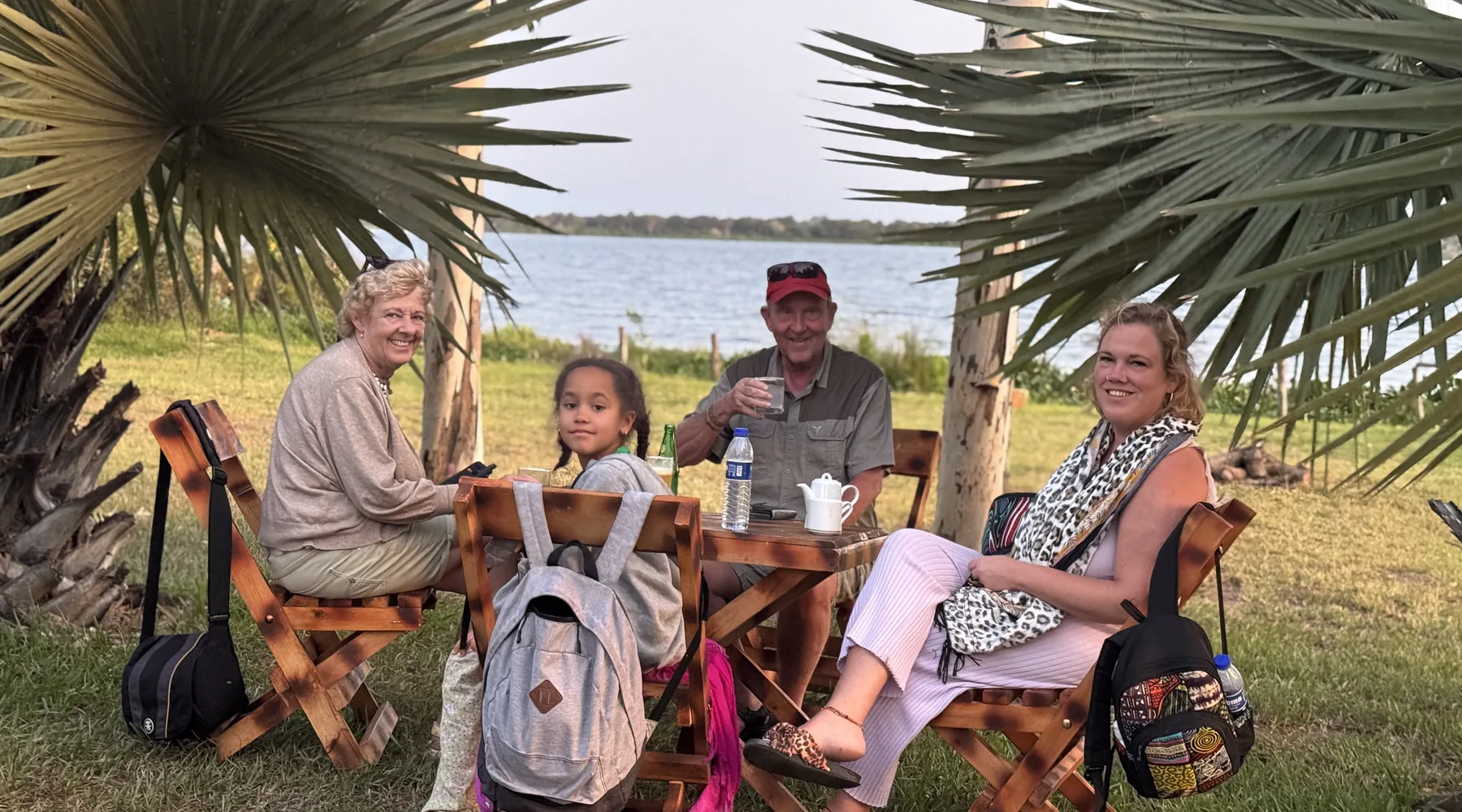
Private family safaris, planned in Uganda
Tell us your children's ages, what excites them and how long they are comfortable on the road. We will shape the wildlife, rest, rooms, meals and eligible activities around your family.
The essential answer
Uganda can be a wonderful family safari: elephants, giraffes, buffalo, hippos, boat journeys, zebras, forests, lodges and the thrill of looking together. But not every famous activity accepts every age and a long road day feels different to a six-year-old than to a sixteen-year-old.
Share the age of every child at the start. Then build around eligible activities, realistic vehicle time, family room availability, meal needs, sleep, medical preparation and a clear plan for any day when the family separates.
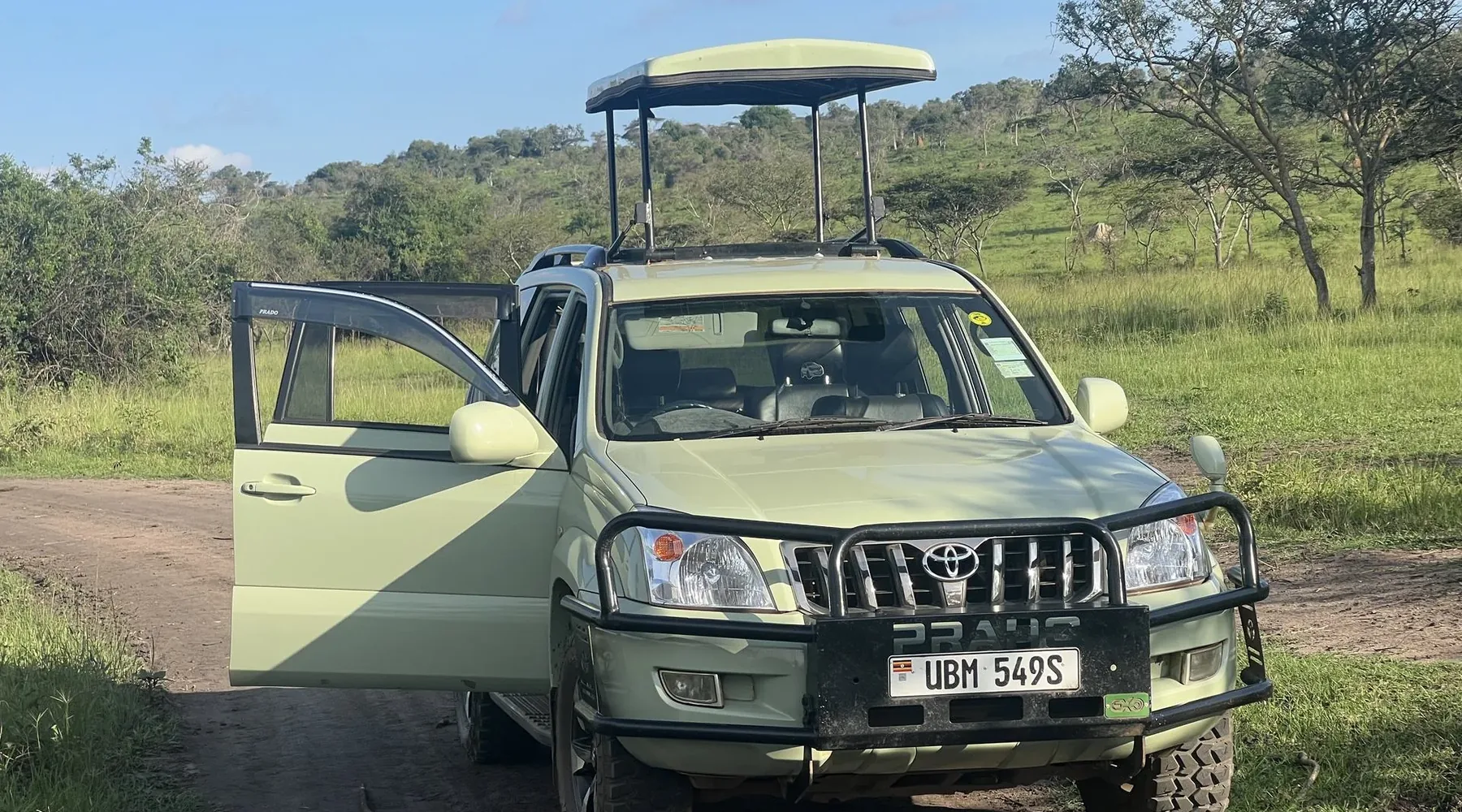
A private vehicle is especially valuable for families because stops, snacks, photography, bathroom breaks and early returns can follow your household rather than a mixed group.
From the road
A family safari morning does not have to begin by rushing every child into a vehicle before they are properly awake. Some families love the first light; others do better after breakfast. With a private vehicle, the guide can watch the household's rhythm, keep water and familiar snacks close and stop when somebody needs a bathroom, a stretch or simply a few quiet minutes.
Children often notice a different safari from the adults. One may become absorbed in elephant footprints, another in the colours of a kingfisher and another may be happiest counting hippos from a boat. Those smaller discoveries matter. A patient guide leaves room for questions instead of treating every game drive as a race towards the next large animal.
By late morning, conversation usually becomes quieter. That is often the moment to return for lunch, a shower, a swim where it is safe or time with a book—not to add another activity because it fits on paper. The afternoon decision can wait until everyone has rested. Some families go out again; others choose the lodge garden, a short sunset drive or an early dinner.
The story children repeat later is not always the biggest sighting. It may be the guide who remembered their favourite bird, the roadside fruit stop, the muddy boot or the giraffe that appeared when nobody was looking. Good family planning protects space for those moments.
Check eligibility first
Age limits are product rules, not suggestions. We reconfirm them for the exact park, date and activity before you pay.
| Activity | Published age position | Family planning meaning |
|---|---|---|
| Gorilla tracking | UWA minimum age: 15 years | Younger children need a responsible adult and a confirmed parallel plan. Eligible teenagers still need fitness and weather preparation. |
| Chimpanzee tracking | Official sources currently differ: UWA's July 2024 guidelines say 12; the current Kibale page says at least 16 | Do not buy from a generic age claim. Obtain written confirmation for the exact product and date. |
| Game drives | No single universal child age across all operators and vehicles | Ask about seat setup, duration, roof use, private vehicle rules, early starts and child restraints. |
| Boat safaris | Operator, vessel and activity conditions apply | Confirm life jackets in suitable sizes, shade, toilets, duration, boarding access and whether the service is shared. |
| Walking, rhino, cycling, horse or night activities | Limits vary by provider, park, risk assessment and route | Give each child's exact age before the itinerary is quoted and request a written eligibility answer. |
Practical age fit
These are planning tendencies, not official admission rules. Children of the same age can have very different patience, mobility, sleep, sensory and food needs.
Favor one or two accessible areas, short drives, flexible game viewing, pool or garden time, early meals, familiar snacks and a reliable sleep routine.
Mix game drives with boats, lodge time, birds, tracks, short nature experiences and interactive stops. Avoid stacking long drives and early starts.
Some forest or adventure products may become possible, but published chimp guidance differs and gorilla tracking remains unavailable below 15.
Discuss fitness, rain, mud, altitude, trek uncertainty, porter support, photography and whether the teenager genuinely wants the experience.
Choose the trip length
Focus on Murchison Falls or use Lake Mburo and Queen Elizabeth in a compact route. This works better for younger children and first safari experiences.
Combine Lake Mburo, Queen Elizabeth and an age-appropriate forest or highland chapter. Protect two-night stays and limit one-night transfers.
Murchison, Kibale, Queen Elizabeth, Bwindi, Lake Bunyonyi and Lake Mburo can fit when ages, permits, long road days and parallel plans are handled honestly.
More days should create rest, not simply more destinations. A family route needs midday resets, occasional slower mornings, pool or garden time and at least one light day after a demanding activity.
Three useful starting points
These are planning examples, not fixed packages. The exact route still depends on ages at travel, lodge availability, road conditions and the activities each child can join.
Children under 8
Begin with a calm Entebbe night, then choose one main wildlife area. Shorter viewing periods, private stops, an unhurried lunch and lodge time usually matter more than adding another park.
Useful rhythm
5–7 days · one or two bases · no back-to-back long transfers
Children around 9–14
Lake Mburo and Queen Elizabeth can create variety without making primate tracking the centre of the trip. Fort Portal or another slower stop can work when its activities and transfer time suit the family.
Useful rhythm
8–10 days · two-night stays · one light afternoon after a transfer
Teenagers aged 15+
Queen Elizabeth, Bwindi and a slower lake or highland stay can balance wildlife and forest. Fitness, mud, porter support, the permit entry point and every family member's interest still need an honest conversation.
Useful rhythm
10–14 days · confirmed permits · recovery time after the forest
Family route building blocks
A calm first night near the airport helps with jet lag, delayed baggage, meals and the shift into safari time. Do not force a major road transfer after a late flight.
Game drives, giraffes, elephants, the Nile and the falls create variety across several days. The road from Entebbe is substantial, so break and pace it honestly.
Game drives and the Kazinga Channel can work well for mixed ages. A midday lodge reset between morning and afternoon activities matters.
Its southwest route position, zebras, wetland landscape, game drives and varied activities make it useful—but confirm age limits for every walk, ride or cycle.
Gorilla tracking begins at 15. The permit, lodge, briefing area, adult supervision and younger children's day must be coordinated together.
Chimp tracking eligibility must be confirmed in writing. Crater scenery, wetlands, lodge grounds and other age-appropriate experiences can broaden the stay.
Private vehicle and road days
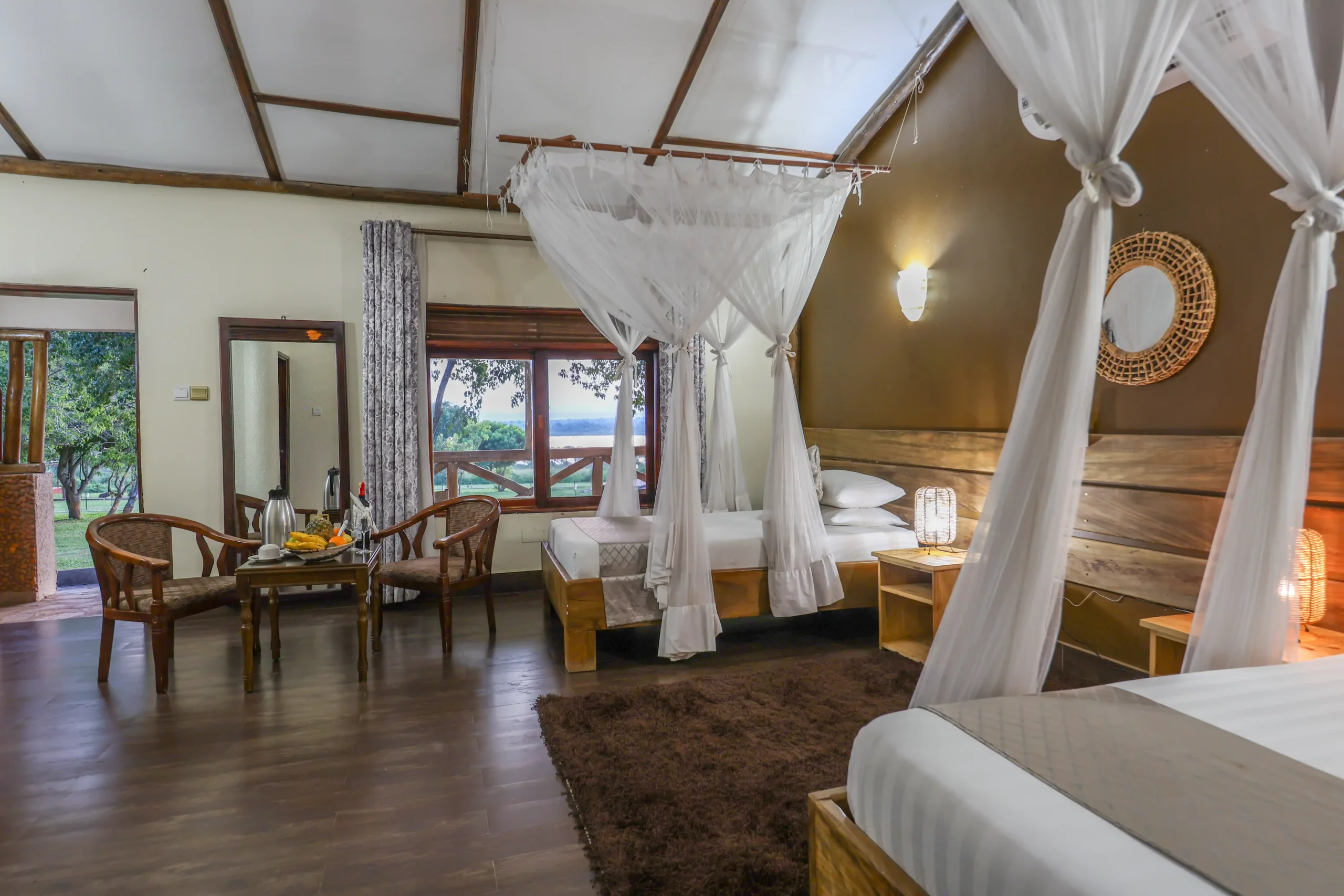
Rooms, meals and lodge safety
Family unit, interconnecting rooms, adjacent rooms, triple, sofa bed or extra bed are not equivalent. Confirm who sleeps where and whether rooms share an internal door.
Ask about balconies, steep paths, unfenced water, wildlife movement, separate cottages, stairs, pools and how far children's rooms sit from adults.
Give allergies, dietary restrictions, preferred meal times, familiar staples, bottle or refrigeration needs and whether packed lunches suit each child.
Confirm laundry turnaround, excluded items, domestic-flight limits and whether the route can store excess luggage. Use the family packing guidance.
Ask about electricity schedules, sockets, refrigeration for medication, Wi-Fi reality and where devices can be charged safely.
A pool or garden can transform a family day, but confirm access, fencing, depth, hours and adult responsibility rather than assuming formal childcare.
When the family cannot do one activity together
If one or more children are below the gorilla or chimpanzee age, decide who remains responsible for them. One parent can stay back, eligible adults can trek on different dates or a separate activity can be arranged with a specifically agreed responsible adult.
Do not assume the driver-guide, lodge staff or an informal local arrangement provides childcare. Ask who supervises, where they will be, what the hours and transport are, what happens if the trek runs long and whether the arrangement is insured and confirmed.
The non-trekking day should still feel like part of the safari: age-appropriate lodge time, a gentle community or nature experience where permitted, crafts, gardens, birds or a scenic outing can work when planned properly.
Family health preparation
A safari planner can explain the route. A qualified clinician should advise on vaccines, malaria prevention, prescriptions and each child's health.
Health source: review the live CDC Uganda traveler page, your own government's advice and a qualified pediatric travel-health clinician. Health notices and entry requirements can change.
Family safari cost
There is no useful “average family” price. Child rates, teen rates, permit eligibility, family rooms, extra beds and domestic flights may all use different rules.
The route joins Entebbe, Murchison Falls, Kibale, Queen Elizabeth, Bwindi, Lake Bunyonyi and Lake Mburo. It fits families with teens best and every primate activity still requires exact age confirmation.
For broader price drivers and a written quote checklist, use the Uganda safari cost guide. Never assume a children's discount applies uniformly across lodges, permits, flights or activities.
Family booking checklist
Exact ages at the time of each activity, passport names, allergies, dietary needs, medical considerations and mobility notes.
Eligibility for each permit, walk, boat, ride, flight and parallel plan rather than one answer for the whole family.
Occupancy, bed types, internal doors, room distance, stairs, supervision and any extra-bed or family-unit supplement.
Restraints, child seats, luggage, roof rules, drinking water, air-conditioning expectations and private vehicle use.
Longest road days, early starts, two-night stays, midday breaks, pool or lodge time and recovery after demanding activities.
What changes if illness, age eligibility, a permit, a room or a supervision arrangement affects the agreed plan.
What parents ask us
Yes, when the route follows the children's ages, interests, health needs, drive tolerance and activity eligibility. Private transport, two-night stays, suitable rooms, boats, game drives and rest make a major difference.
UWA guidelines set the minimum at 15 years. That is an eligibility threshold, not a guarantee that every teenager will find a potentially steep, muddy and lengthy trek comfortable.
Current official information differs. UWA's July 2024 tracking guidelines say 12 years, while the current Kibale park page says at least 16. Obtain written confirmation for the exact park, product and date before buying permits.
Five to seven days can focus on one or two accessible wildlife areas. Eight to ten days supports a balanced western route. Twelve to fourteen days can include more parks and primates when ages and road pacing fit.
Arrange a responsible adult and confirmed alternative. One parent may stay back, adults may trek on different dates or an age-appropriate activity may be arranged with agreed supervision. Never assume lodge childcare.
Cost depends on ages, room setup, lodge tier, permits, vehicle, distance, activities, dates and flights. The current 14-day family comfort route starts at $9,830 per person, but the quote should price every traveler and room clearly.
Official references: primate ages were checked against the Uganda Wildlife Authority July 2024 tracking guidelines and current Kibale National Park page. Destination context was checked against Uganda Tourism Board guidance for national parks and Lake Mburo. Rules and availability can change; reconfirm each child and activity in writing.
Continue planning
A compact western route with family-friendly pacing, age-aware primate planning and manageable wildlife days.
A fuller route for families with teens, with primates, boats, wildlife, lake time and planned rest windows.
Understand private vehicles, driver-guides, route length, shared activities, road versus air, costs and booking.
Prepare clothing, forest gear, documents, personal health items, electronics and domestic-flight luggage.
A route that fits your children
Share your children's ages, travel month, room needs, food or mobility notes, drive tolerance and the wildlife experiences you want to enjoy together. We will build a private Uganda safari with realistic road days, suitable activities and time to rest.
No payment is required to start planning. Age rules, rooms, activities and permit availability are confirmed before your written quote.