Sempaya hot springs
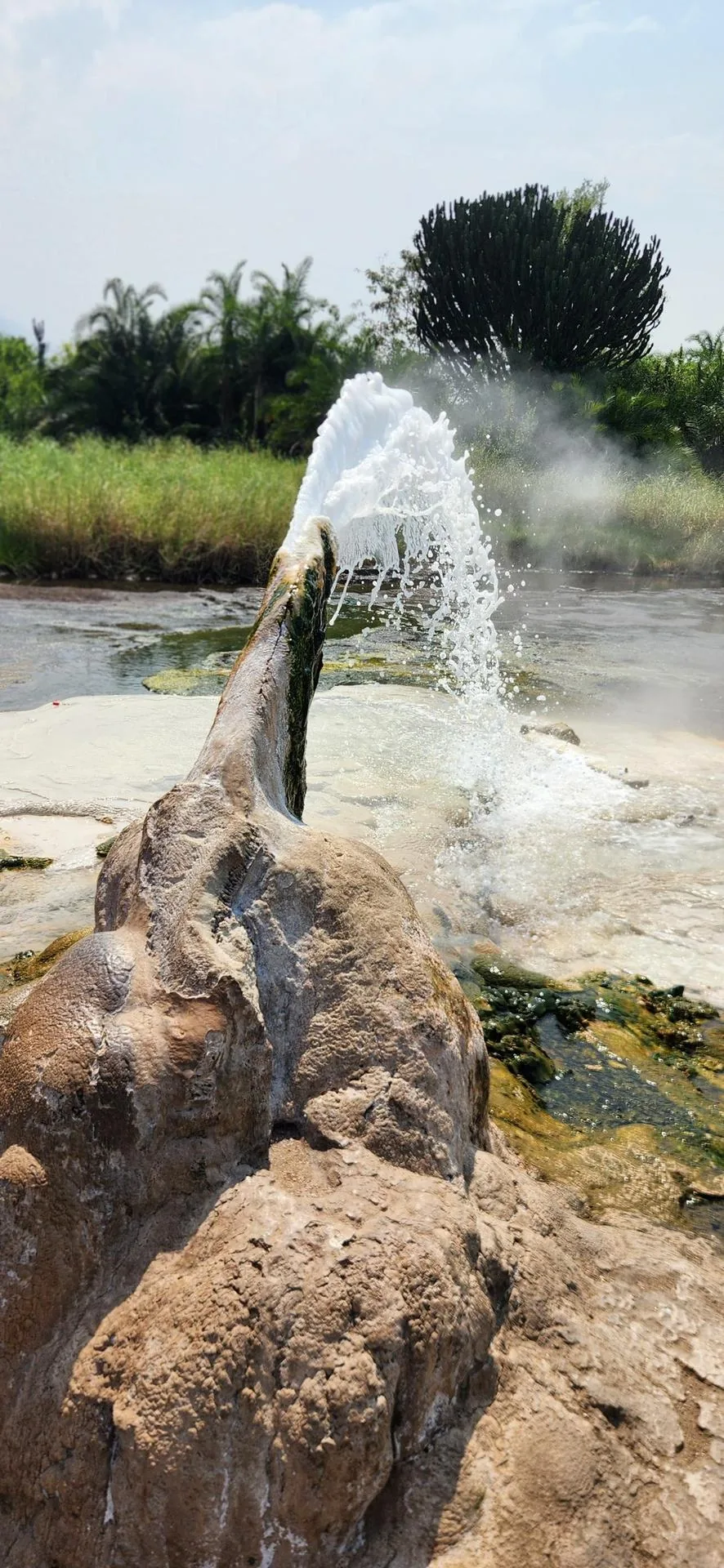
The male and female hot springs at Sempaya are the park's most recognizable experience. A visit here feels part geology, part story, part local memory and part forest walk. It is simple, but it stays with people.
 Gamba Uganda Safaris
Gamba Uganda Safaris
Operated by GUS Signature Expeditions Limited
Change language
Operated by GUS Signature Expeditions Limited
Forest and Hot Springs Guide
Semuliki is not the obvious safari stop and that is its charm. Steam rises from Sempaya, forest air feels heavy and alive and the route slips into a quieter western Uganda story.
The park before the steam
Semuliki National Park was gazetted in 1993 and covers about 220 square kilometers in the Semliki Valley of western Uganda. It lies near the border with the Democratic Republic of Congo, below the Rwenzori Mountains and protects one of East Africa's most distinctive lowland tropical forest systems.
The park is not built around the same drama as Queen Elizabeth or Murchison. Its power is quieter and stranger: steaming Sempaya hot springs, humid forest paths, bird calls, butterflies, riverine life and the feeling of standing where western Uganda begins to lean toward Central Africa.
The male and female hot springs at Sempaya are the park's most recognizable experience. A visit here feels part geology, part story, part local memory and part forest walk. It is simple, but it stays with people.
Semuliki is especially valuable for birders because its habitats carry species and moods that differ from the usual savannah parks. It pairs naturally with Kibale Forest, Fort Portal and Rwenzori-side scenery.
Dropping into the lowlands
The road drops from highland air toward a warmer, lower, denser world. The forest feels older and more secretive. This is not where you come to chase big plains wildlife. You come because the western route needs texture: steam, birds, forest, water and a place that feels less rehearsed.
We usually plan Semuliki as a thoughtful add-on from Fort Portal, a specialist birding stop or a forest contrast around Kibale chimpanzee tracking. On longer routes, it can also soften the journey toward the Rwenzori Mountains.
The feeling of Semuliki
The forest is humid and close. The hot springs breathe through the ground. Birds call from places you cannot see. A guide may explain the stories around Sempaya, the boiling water, the forest edge and the communities that understand this landscape as more than a stop on an itinerary.
It is a small-feeling park compared with Uganda's headline safari regions, but it adds something important: contrast. After gorillas, chimps, crater lakes or savannah drives, Semuliki can make the west feel more layered and less predictable.
What stays with you
Sempaya hot springs, lowland forest, birding and western Uganda route contrast are the reasons this park earns its place.
Steam, boiling water, forest paths and local stories make this the park's signature experience.
Semuliki feels warmer, denser and more Central African than the highland forests nearby.
The park rewards travelers who care about habitat, sound, patience and species variety.
It pairs well with Fort Portal, Kibale, crater lakes and Rwenzori scenery when paced honestly.
Seen along the way
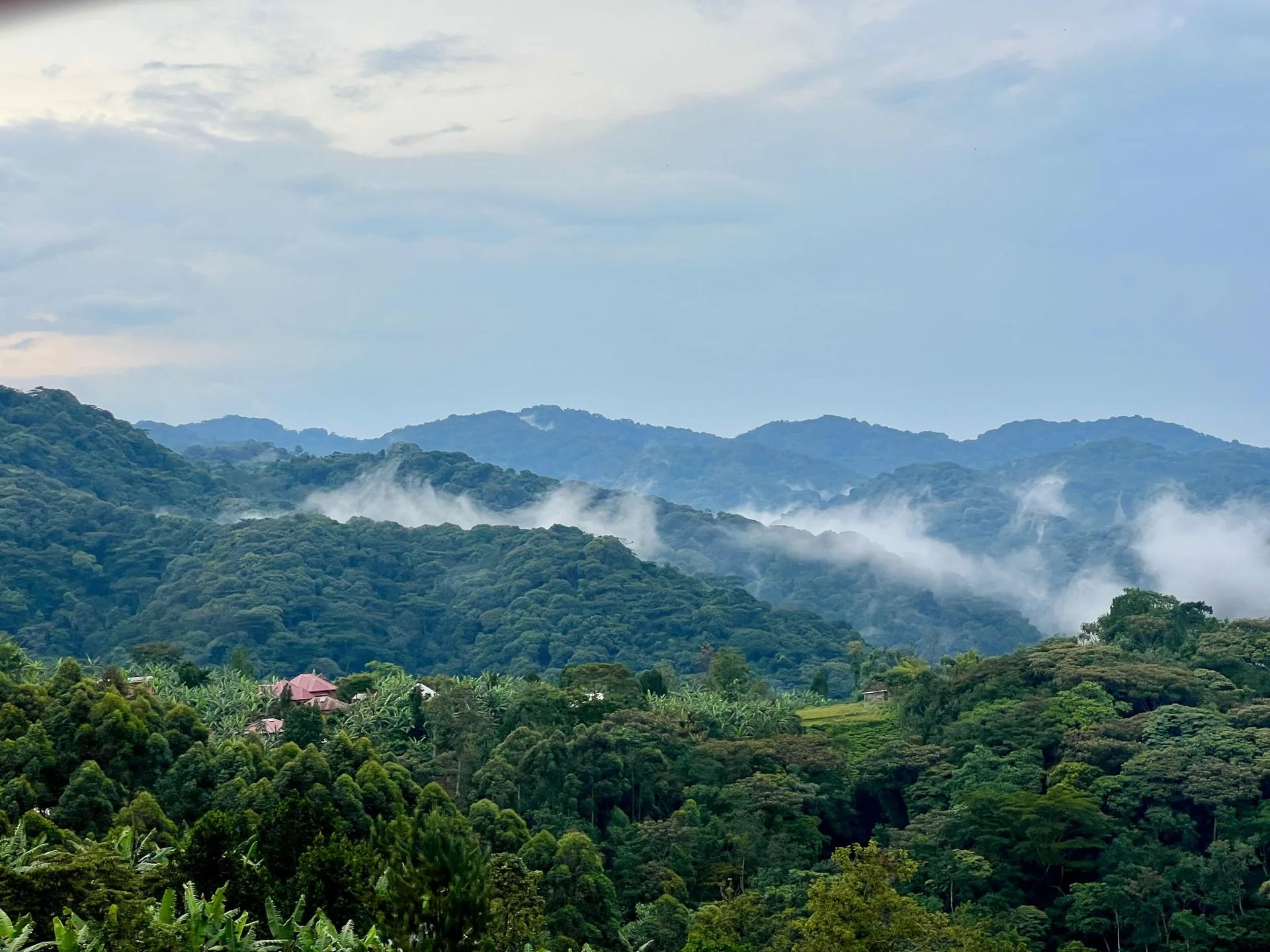
The destination feels specific through small, strange details: steam lifting from the ground, dense forest shade, birdsong and the warmer air of the Semliki Valley.
A route that feels right
Planning notes
Field notes
The park works best when you understand its specialty: hot springs, forest, birds, wetlands, river systems and a western route that feels less obvious.
The hot springs are simple, direct and memorable, especially with a guide who can explain the local stories and geology.
Semuliki's lowland forest gives the route a humid, Central African feeling that contrasts with Kibale and the crater highlands.
Birding travelers get the most from Semuliki when the day is paced around listening, stopping and reading habitat.
Semuliki is strongest when it deepens Fort Portal, Kibale, Rwenzori or crater-lakes travel instead of standing alone.
Sempaya hot springs
Nyasimbi, the female spring, is the more dramatic boiling geyser. Bintente, the male spring, sits in a broad, steaming pool reached on a longer forest-and-boardwalk walk. Together they reveal both the geothermal force beneath the Rift Valley and the cultural meaning local communities attach to Sempaya.
The springs are extremely hot. Stay on the guided route, respect barriers and boardwalks and never test the water by hand. Egg boiling may be demonstrated in designated pools when guides permit it, but the experience should remain interpretation rather than a stunt.
Lowland forest and birding
The park protects the eastern edge of the Ituri Forest, giving birders and naturalists a lowland habitat that feels markedly different from Kibale, Bwindi and Uganda's savannah parks.
Oil palms, swamp forest, river systems and humid lowland vegetation bring a Central African character into western Uganda.
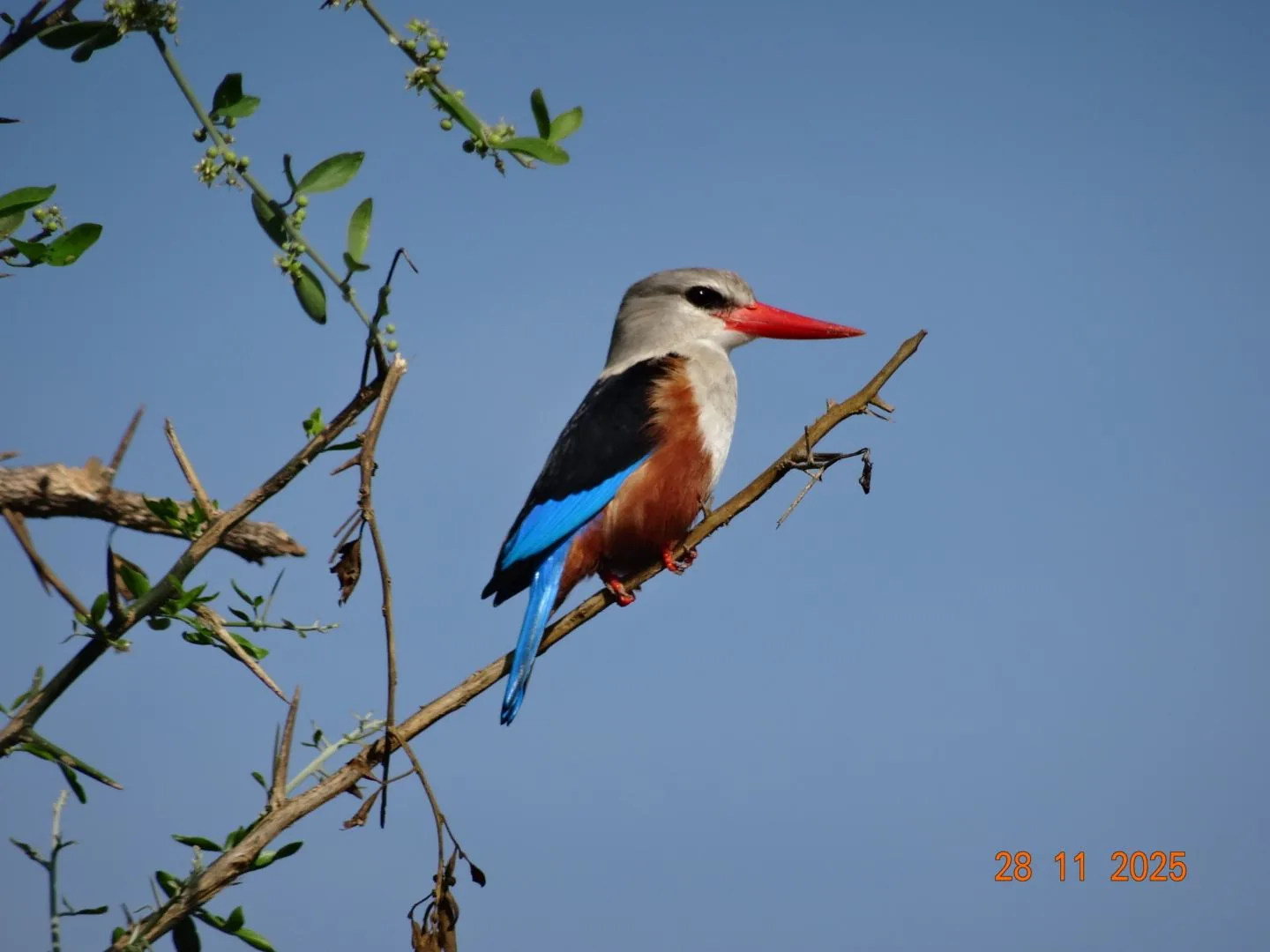
More than 435 bird species have been recorded, including Guinea-Congo forest species. Sightings depend on season, calls, light, guide skill and time in habitat.
Kirumia is a long forest route toward the Semuliki River. Its condition, guide requirements, start time and any camping arrangements should be confirmed in advance.
Bring closed footwear, rain protection, water and insect repellent. Mud, heat and humidity are part of the experience, not signs that the day has gone wrong.
Semuliki National Park
This page is primarily about the 220-square-kilometre national park on the Bundibugyo side of the Rwenzori. Its signature experiences are Sempaya, guided forest walks, lowland biodiversity, butterflies, primates and specialist birding.
Do not arrive expecting a classic savannah game-drive park. Large mammals occur in the ecosystem, but dense forest makes habitat, sound and smaller details the more honest focus.
Toro-Semliki Wildlife Reserve
Toro-Semliki Wildlife Reserve lies east of the national park toward Karugutu and Ntoroko. It is the place associated with savannah game drives, primate walks, Lake Albert boat trips and lodges such as Semliki Safari Lodge.
The two protected areas can share one itinerary, but they are not interchangeable. They require separate drive time, activity planning and accommodation logic, so we name clearly which Semuliki experience is being booked.
Access and respectful context
Fort Portal is the most flexible regional base, while Bundibugyo-side stays reduce the morning approach for travelers focused on the national park.
The descent toward Bundibugyo changes altitude, temperature and scenery quickly. Leave early and protect time for the return rather than squeezing Sempaya between other activities.
The main approach is established, but rain, maintenance and local conditions can change journey times. Confirm the current route before departure.
Bwamba, Bakonjo, Batuku and Batwa histories all belong to the wider valley. Use community-led visits, fair arrangements and clear consent, especially before photography.
It best suits birders, forest travelers and curious guests who value geology, ecology and interpretation more than a long list of guaranteed sightings.
Where the night belongs
The names are similar, but the route logic is not. Sempaya access, specialist birding and reserve-based game viewing can require different overnight positions.
UWA's Bumaga facilities near Sempaya or a simple Bundibugyo guesthouse can reduce road time for an early hot-springs or birding start. Confirm current availability and standards.
Fort Portal offers the widest choice and works well when Semuliki is a focused day inside a route that also includes Kibale, crater lakes or the Rwenzori.
Semliki Safari Lodge belongs to Toro-Semliki Wildlife Reserve, not the national park. Use it when savannah, primate walks or Lake Albert are part of the plan, with separate transfer time for Sempaya.
We confirm the protected area, activities and driving sequence before recommending a lodge so a similar place name does not create the wrong safari.
Where the story can go next
It is not for every traveler, but for the right route it adds forest mood, birding, hot springs and a less familiar side of Uganda.
Use Fort Portal as the soft scenic base before or after Semuliki.
Pair Semuliki with Kibale Forest when you want forest contrast and primate energy in one western route.
Add Rwenzori hiking or compare broader Uganda safari packages when you want the west to unfold slowly.
Related planning
Use Semuliki as a forest, hot-springs or birding layer around Fort Portal, Kibale, Rwenzori and longer private safari circuits.
We will shape it around Fort Portal, Kibale, Rwenzori, lodge style and the amount of niche travel you actually want.