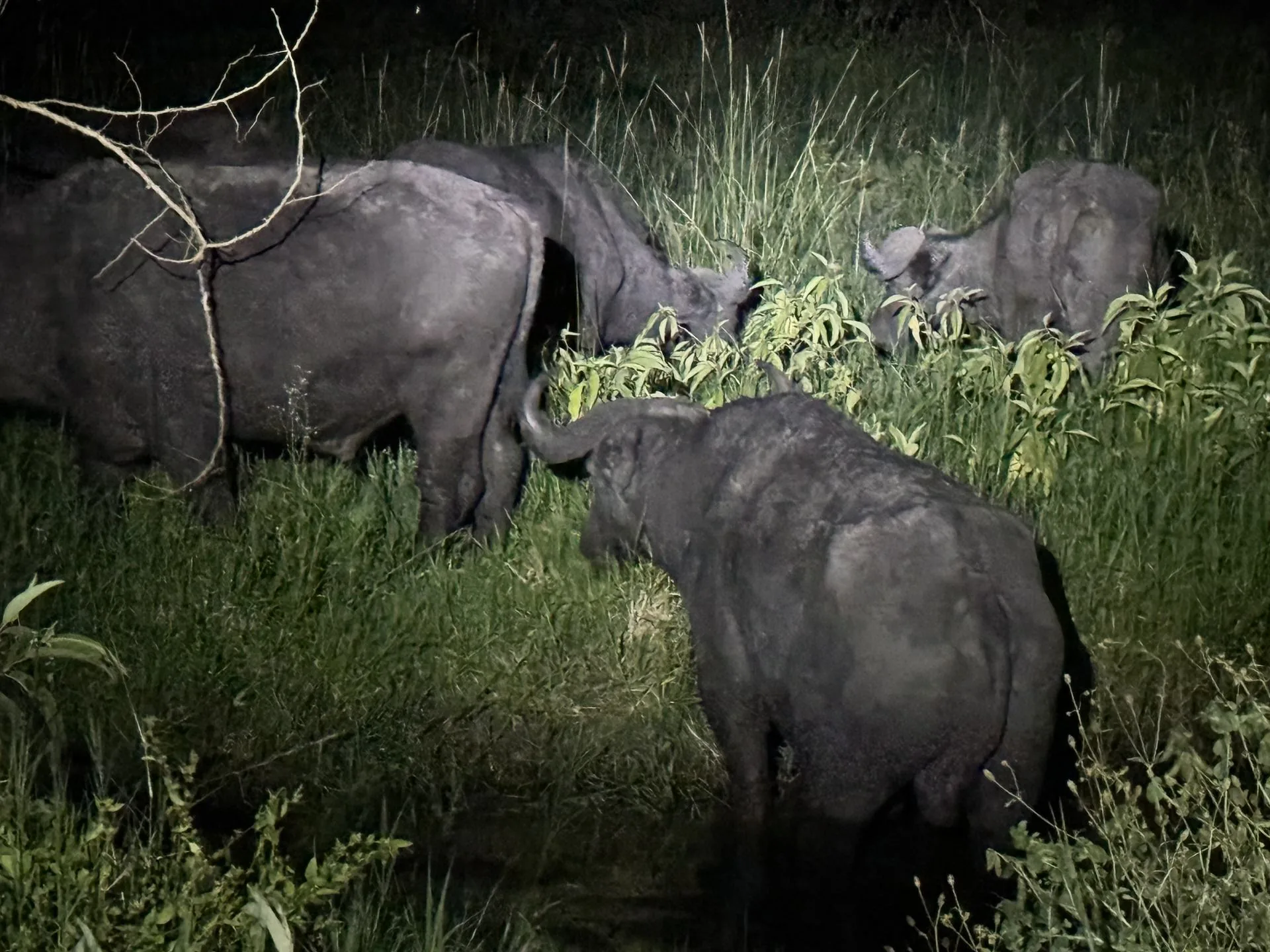
Kampala City Story

Kampala is the city before the safari road.

Meet Uganda through Buganda memory, hilltop views, markets, faith sites, food, craft corners, and the capital's restless everyday life.

Read the Route

Kampala is not a museum city. It is a living capital built on memory, movement, and heat.

The hills are the first clue. From Old Kampala, Namirembe, Rubaga, Nakasero, Kololo, and the royal ground of Mengo, the city begins to make sense: kingdom history, faith, trade, politics, schools, markets, offices, traffic, laughter, and construction all sharing the same view.

A good Kampala day does not pretend the city is polished in a brochure way. It lets you feel the capital honestly: the palace and Kasubi Tombs, the memory of difficult political years, the sound of markets, the quiet inside sacred places, the sharp smell of street food, and the sudden generosity of a good guide who knows when to pause.

We shape the route privately so it can be historical, food-led, market-led, gentle, photographic, or stretched into an evening with dinner, city views, selected nightlife, and safe transfers.

Kampala sells when it feels interpreted, not performed. The city needs a guide who can read both the history and the street.
Kampala city hills and skyline in Uganda
Kampala is best understood from its hills.
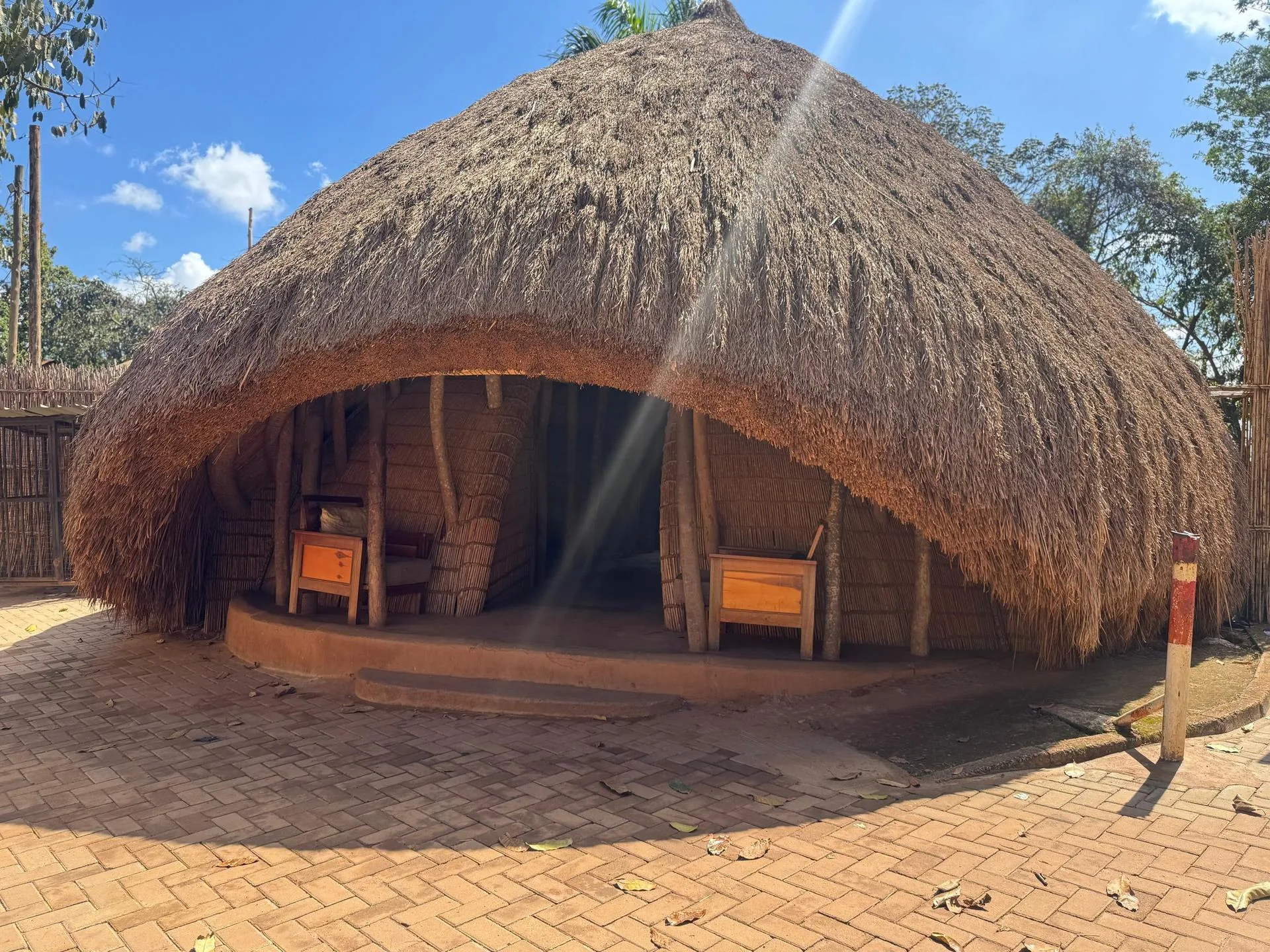
Kasubi Tombs heritage site connected to Buganda history
Buganda memory gives the city depth.
Kampala evening atmosphere and city lights
The city changes mood after dark.

We follow a thread, not a checklist.

A thoughtful Kampala tour might begin with Buganda heritage around Mengo and Kasubi, climb to Old Kampala for perspective, step into a market or craft space, and soften into food, coffee, or evening city views. The order changes with traffic, weather, opening hours, and your energy.

  • The seven hills: understand why views matter here, from Old Kampala to Namirembe, Rubaga, Kololo, Nakasero, and the surrounding slopes.
  • The kingdom layer: connect the Lubiri, Kasubi Tombs, royal routes, clan memory, and Buganda identity to the capital around them.
  • The difficult-history layer: approach political memory carefully, including palace history and Idi Amin-era trauma, without turning pain into spectacle.
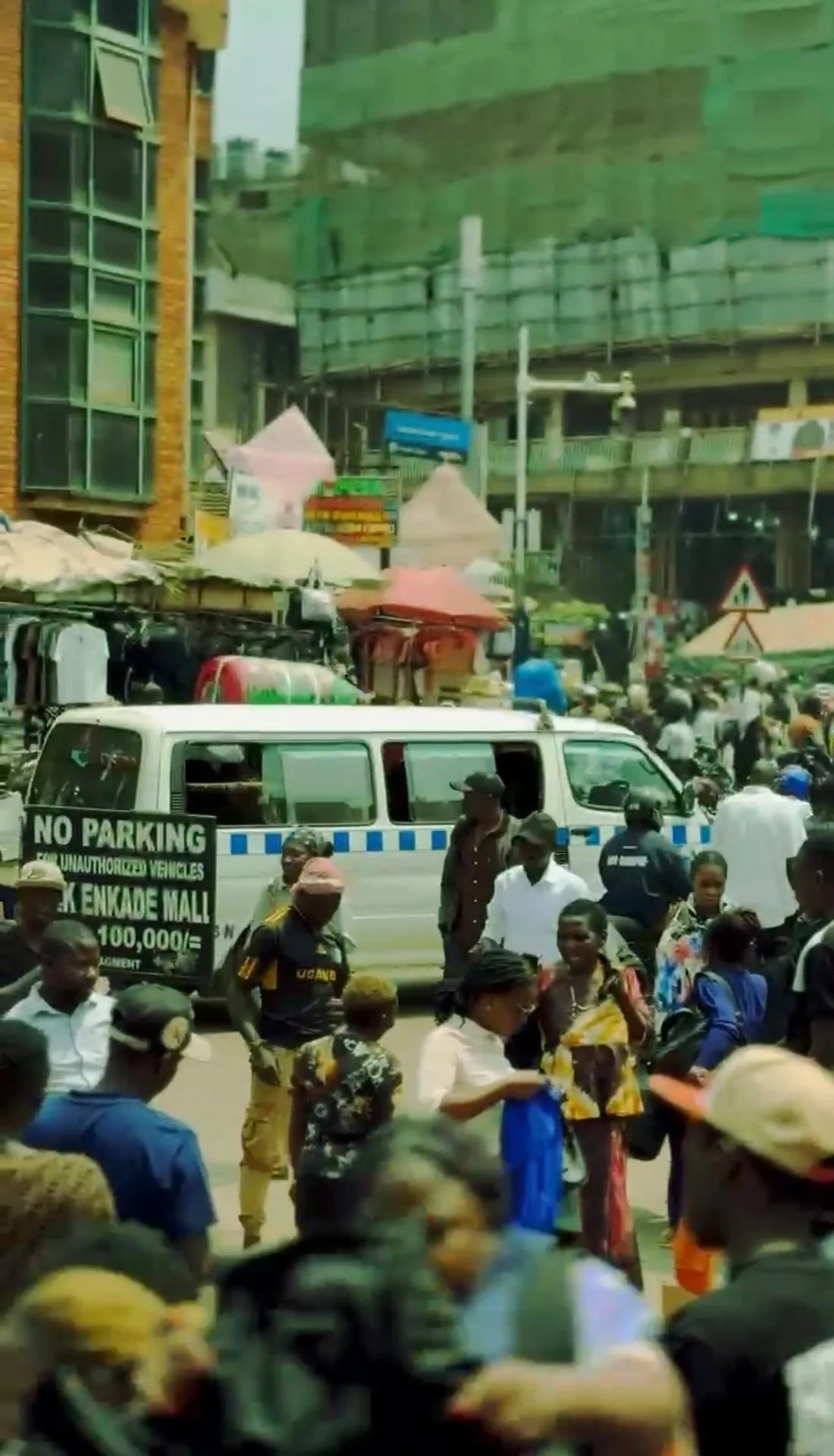
  • The everyday layer: markets, taxis, craft stalls, restaurants, school traffic, office workers, and night life bring Kampala back from history into now.

Choose stops that explain the city, not just stops that fill the day.

These are the places we use when they fit your timing, interests, and appetite for a real city experience.

King's Palace and Buganda memory

The palace opens the story of kingship, land, exile, political rupture, and the meaning of Mengo in the city.

Kasubi Tombs and sacred heritage

Kasubi adds spiritual and cultural weight, especially when the guide gives enough context before you arrive.

Gaddafi Mosque and Old Kampala

From the hill, the city stops looking random. Roads, markets, towers, worship spaces, and neighborhoods begin to arrange themselves.

Markets, crafts, coffee, and food

Nakasero, Owino, craft spaces, and small food stops bring the capital into daily life.

Begin with memory. End with the city alive.

  • Morning context: start with Buganda heritage, Kasubi Tombs, the palace area, or a hilltop view before heat and traffic rise.
  • Midday street life: move through a market, craft village, coffee stop, or neighborhood moment where the city feels present tense.
  • One proper pause: keep time for lunch, a city-view restaurant, or a quieter viewpoint so the day does not become a race.
  • Evening option: if you stay late, finish with dinner, live culture, selected nightlife, or a gentle drive through city lights.

Kampala is generous, but it is not a stage.

  • Ask before photos: especially in markets, religious sites, royal spaces, and around people working.
  • Dress with care: light clothing is fine, but modest dress helps at mosques, shrines, cathedrals, and palace areas.
  • Accept the traffic: some of Kampala's character is movement. We plan buffers so it does not own the whole day.
  • Use private guiding: the difference is not just comfort; it is interpretation, safety, timing, and confidence.

Choose the base that protects tomorrow.

In Kampala, the right hotel can save energy before a safari, after a flight, or before an early road departure.

Standard

Green, calmer value

Forest Cottages suits travelers who want a gentler city base and a more relaxed overnight without pushing the budget too high.

Mid-range

Central practical comfort

Hilton Garden Inn Kampala works well when you need reliable comfort, easier movement, and a straightforward city setup.

Luxury

A polished first or last night

Kampala Serena Hotel gives the city a softer landing, especially when service, calm spaces, and an elevated final evening matter.

The best Kampala hotel is the one that makes the route feel smoother, not only the one with the best room photo.

Kampala can be the prologue, the pause, or the final chapter.

The capital works best when it is connected to the rest of the journey with intention.

Entebbe and Lake Victoria

A softer lake chapter with botanical gardens, birding, UWEC, or a restful night before or after the city.

Jinja and the Nile

Follow the city east to river air, the Source of the Nile, adventure, or a slower waterside stay.

Private safari route

Use Kampala before gorillas, wildlife, chimps, family travel, or honeymoon safari pacing.

Tell us when you land, where you sleep, and what kind of city you want to meet.

We will shape Kampala around history, markets, food, photography, nightlife, or a calmer private introduction before the safari road.